

Best Time to Visit Vietnam: Your Ultimate Guide to Perfect Timing
Planning a trip to Vietnam? Timing is everything, and knowing the best time to visit Vietnam can turn a good vacation into an unforgettable one.
Vietnam stretches from the mountains of the north to the tropical beaches of the south, so there isn’t one perfect month for every destination. Each region has its own weather patterns, seasonal highlights, and ideal times for different types of travel.
Whether you’re chasing mountain views, exploring historic cities, relaxing on the beach, discovering local food, or planning a longer Vietnam travel itinerary, choosing the right season can make your trip much more enjoyable.
The good news is that there is always somewhere worth visiting in Vietnam. If you’re planning to travel across several regions, March and April are among the best months to consider, while travelers focusing on a particular region can choose dates based on that area’s climate. Vietnam Tourism also identifies March to May as a period with some of the best weather countrywide.
So, when is the best time to visit Vietnam? Let’s break it down by region, season, and month so you can plan your Vietnam trip with confidence.
The Best Time to Visit Vietnam at a Glance
Here’s the quick answer if you don’t want to read the entire guide first:
| Region | Best Time to Visit | Why |
|---|---|---|
| Northern Vietnam | September–November, March–April | Cooler weather, clearer skies, mountains, and rice terraces |
| Central Vietnam | February–May | Warm weather, good conditions for sightseeing and beaches |
| Southern Vietnam | December–April | Warm, sunny, and generally drier |
| Vietnam Overall | March–April | A good balance for a multi-region trip |
These are general guidelines rather than strict rules. Vietnam’s climate changes significantly from north to south, so the best time to travel to Vietnam depends heavily on where you’re going. For example, Sapa is much cooler than Ho Chi Minh City, while Central Vietnam has a different rainy season from both the north and south.
Read more: 10 Best Places to Visit in Vietnam in April
Northern Vietnam
Northern Vietnam is home to Hanoi, Ha Long Bay, Ninh Binh, Sapa, Ha Giang, and some of the most spectacular mountain landscapes in the country.
The best time to visit Northern Vietnam is generally September to November and March to April, although the ideal month depends on your destination. The region experiences more noticeable seasonal changes than Southern Vietnam, with cool winters, hot and humid summers, and comfortable transition periods in spring and autumn.

- September–November: One of the best periods for Northern Vietnam travel, with cooler, drier weather and temperatures generally around 20–28°C. Most of the flowers bloom in the highlands around Sa Pa and Ha Giang as the golden rice fields are ready to be harvested. Meanwhile, Hanoi usually celebrates the vibrant Mid-Autumn Festival in October. At this time, the sky is filled with paper lanterns and the air is fragrant with moon cakes.
- March–April: Another excellent period, with temperatures typically around 18–28°C and generally pleasant conditions for sightseeing and outdoor activities. Hanoi, Ninh Binh, Sapa, and Ha Long Bay are especially appealing during this spring period.
- December–February: Winter brings cooler, often misty weather, with Hanoi commonly around 10–20°C and much colder conditions in the northern mountains. Sapa can occasionally experience temperatures near freezing or even snow during particularly cold spells.
- May–August: Summer is hot, humid, and wetter, with temperatures often around 25–35°C. Heavy rain and thunderstorms can affect trekking and road trips, while tropical storms may occasionally disrupt Ha Long Bay cruises.
Learn more about the Best Places to Visit in Northern Vietnam
Northern Vietnam wows with its misty mountains and bustling cities. Hungry for more? Check out my blog post on Northern Vietnam destinations!
Central Vietnam
Central Vietnam is where you’ll find some of the country’s most popular destinations, including Hue, Da Nang, Hoi An, Nha Trang, Quy Nhon, and Da Lat.
The best time to visit Central Vietnam is generally February to May, although weather varies considerably between destinations. Unlike Southern Vietnam, Central Vietnam has a later rainy season, and some areas can experience heavy rain, storms, and flooding toward the end of the year.
- February–May: One of the best times to visit Central Vietnam, with temperatures generally around 20–32°C and relatively dry, sunny weather. It’s ideal for exploring Hoi An, Da Nang, and Hue, as well as enjoying the beaches.
- June–August: Summer is hot and humid, with temperatures often reaching 30–35°C or higher. Despite the heat, this can be a great period for a beach-focused Vietnam vacation, particularly along the central coast.
- September–February: The wetter season brings cooler temperatures of roughly 20–30°C, but also more frequent rain, storms, and possible flooding. October and November can be particularly wet in destinations such as Hue and Hoi An.
What About Nha Trang?
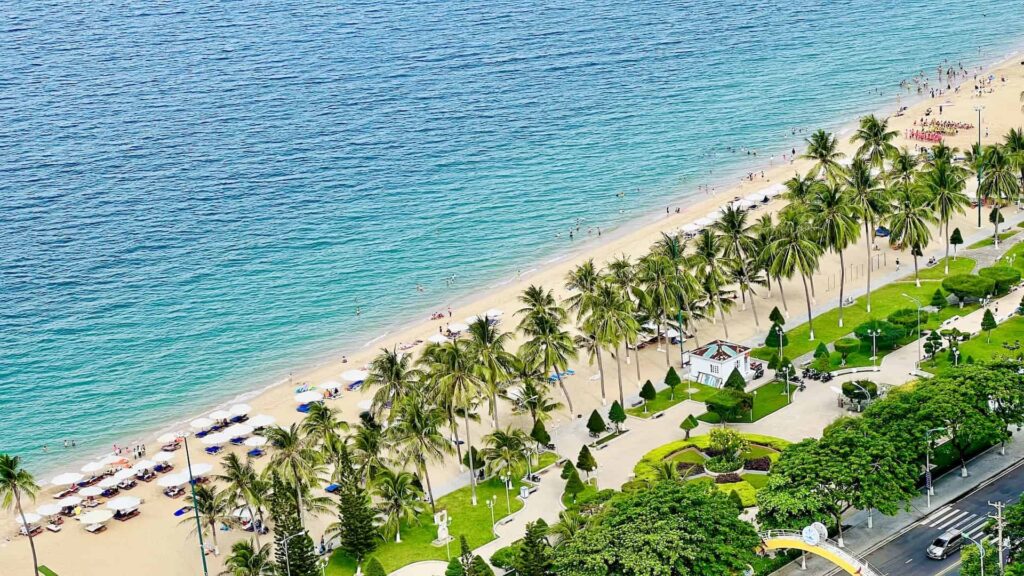
Nha Trang has a different weather pattern from some destinations farther north along the central coast. Instead of relying on the commonly repeated “300 sunny days” statistic, I’d keep the article simpler and more useful: Nha Trang is a strong beach destination with a relatively long period of favorable conditions, but rainfall patterns still vary throughout the year.
If your main goal is swimming, island-hopping, diving, and enjoying seafood by the coast, check the forecast for your specific travel dates.
Don’t Forget Da Lat

Da Lat is different from most of Central Vietnam because its elevation gives it a much cooler climate. The city is known for flowers, pine forests, waterfalls, coffee farms, and its relaxed mountain atmosphere.
February is particularly attractive, with cool air and clear skies, while the city’s climate makes it a refreshing escape when lowland Vietnam becomes hot. You can visit Da Lat to enjoy cool air throughout the year, especially February for its clear skies and flowers.
Learn more about the Best Places to Visit in Central Vietnam
Central Vietnam charms with its glowing coastlines and historic towns. Want the full story? Read my blog post on Central Vietnam spots!
Southern Vietnam
Southern Vietnam is home to Ho Chi Minh City, the Mekong Delta, Vung Tau, Phu Quoc, and some of the country’s best tropical escapes. The best time to visit Southern Vietnam is generally December to April, when conditions are warmer, sunnier, and relatively dry.
- December–April: The best period for Southern Vietnam travel, with warm, sunny, and relatively dry weather. Temperatures generally range from 25–35°C, making it ideal for Ho Chi Minh City, the Mekong Delta, Vung Tau, and Phu Quoc.
- May–November: The rainy season remains hot and humid, with temperatures typically around 25–33°C and frequent afternoon showers. Rain usually doesn’t last all day, so you can still enjoy Vietnam travel by planning outdoor activities around the weather.
Phu Quoc
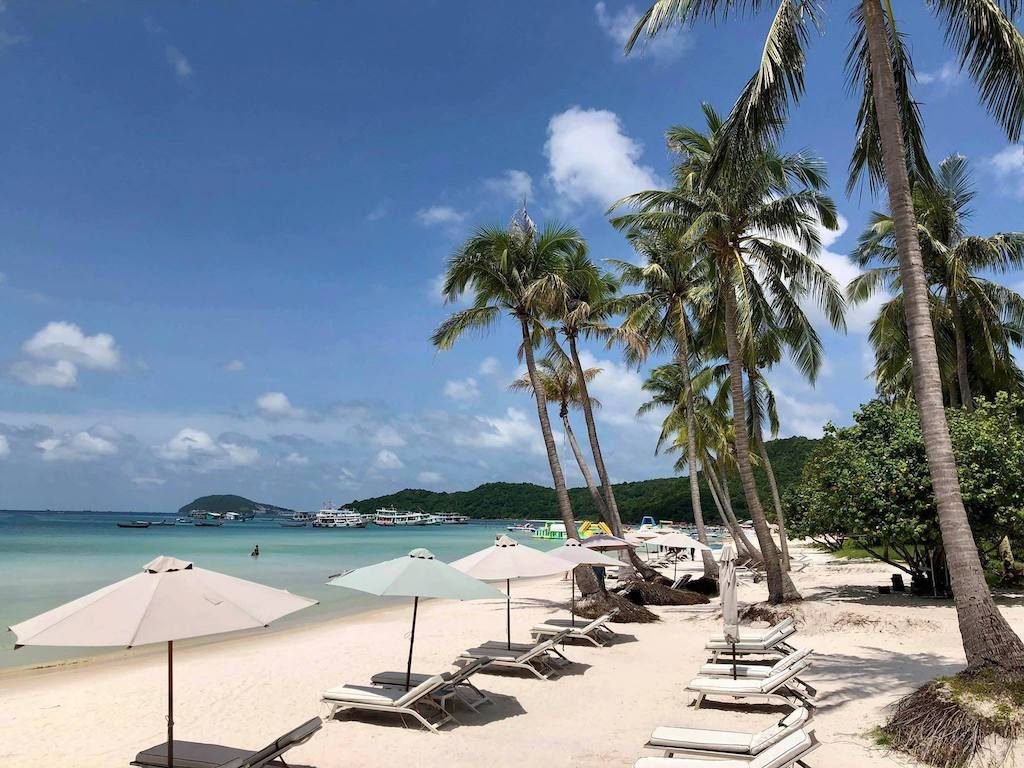
Phu Quoc deserves its own mention because its weather pattern is particularly important for beach travelers. The island generally has clearer, sunnier conditions from October to June, while July to September can be stormier, wetter, and more humid. Storms can also affect ferry travel.
If your idea of the perfect Vietnam vacation involves white-sand beaches, warm water, and tropical sunsets, December through April is an especially attractive period.
Learn more about the Best Places to Visit in Southern Vietnam
Southern Vietnam pulses with vibrant urban life and lush waterways. Curious? Dive into my blog post on Southern Vietnam destinations!
- Getting Around Ho Chi Minh City Attractions and Things to Do Here
- Check-in the Beautiful ‘Starfish Kingdom’ at Rach Vem, Phu Quoc Island
- A Quick Guide to Enjoy Ho Chi Minh City Nightlife
- 2 Days 1 Night Vung Tau Itinerary: The Best Things to Do, See, Eat, and Stay
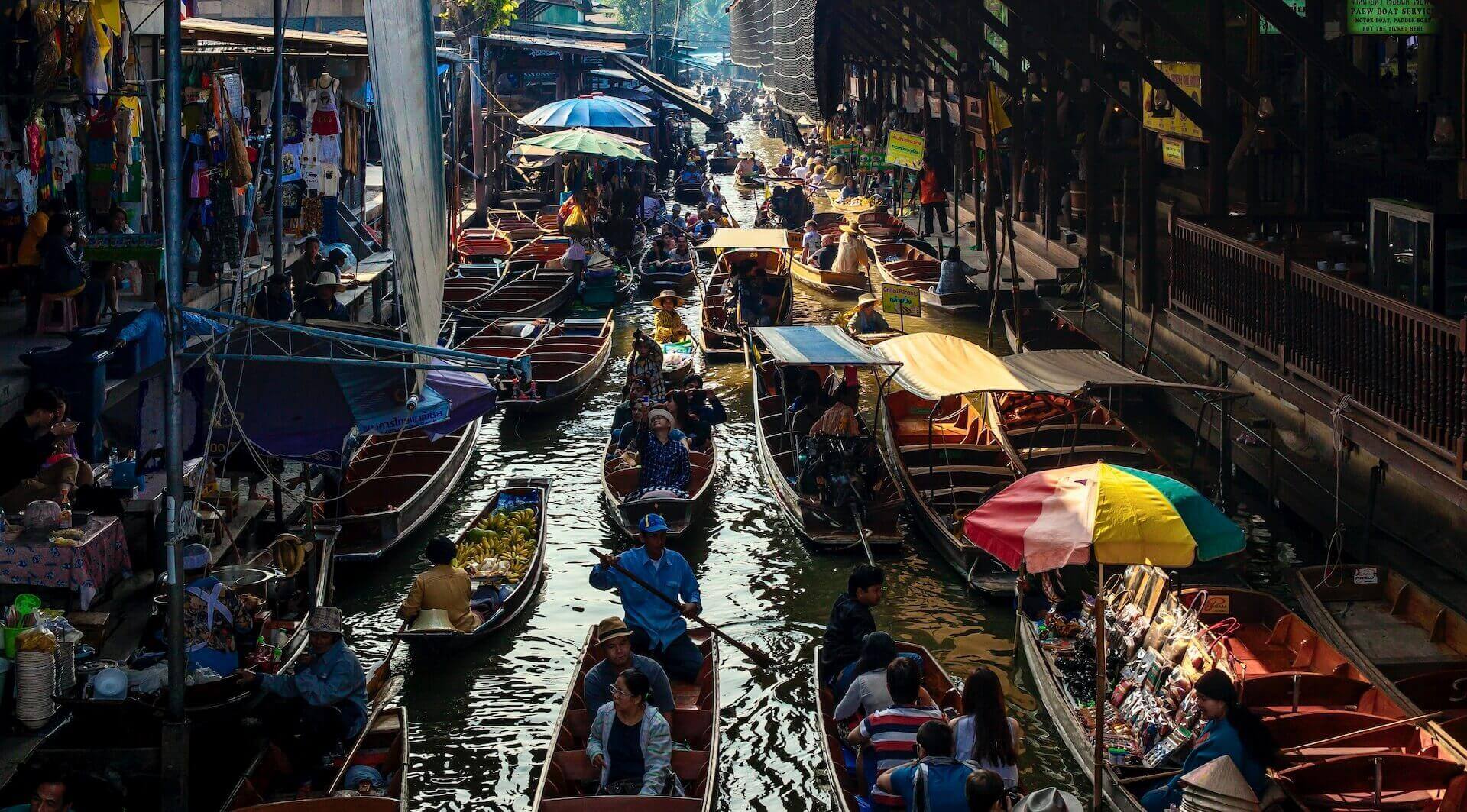
- Cai Rang Floating Market: A 24-Hour Itinerary to Discover the Charm of Can Tho
Things to Consider When Choosing Your Travel Dates
The best time to travel to Vietnam isn’t determined by weather alone.
Your itinerary, travel style, budget, and tolerance for heat or rain should all play a role.
Weather
Start by asking what you want to do.
- Planning a trek through Sapa? Cooler, drier conditions matter.
- Planning a beach holiday in Phu Quoc? Sunshine and sea conditions matter more.
- Planning a food-focused city break in Ho Chi Minh City? A little afternoon rain probably won’t ruin your trip.
Your Vietnam Travel Itinerary
If you’re visiting several regions, don’t choose your travel dates based on only one destination.
For example, March and April offer a useful compromise for travelers planning a Vietnam travel itinerary that includes Northern, Central, and Southern Vietnam. March to May is a period with some of the best weather countrywide, although individual destinations still have their own seasonal patterns.
Festivals and Holidays
Vietnamese festivals can make your trip even more memorable, but major holidays can also affect transportation, accommodation, restaurants, and opening hours.
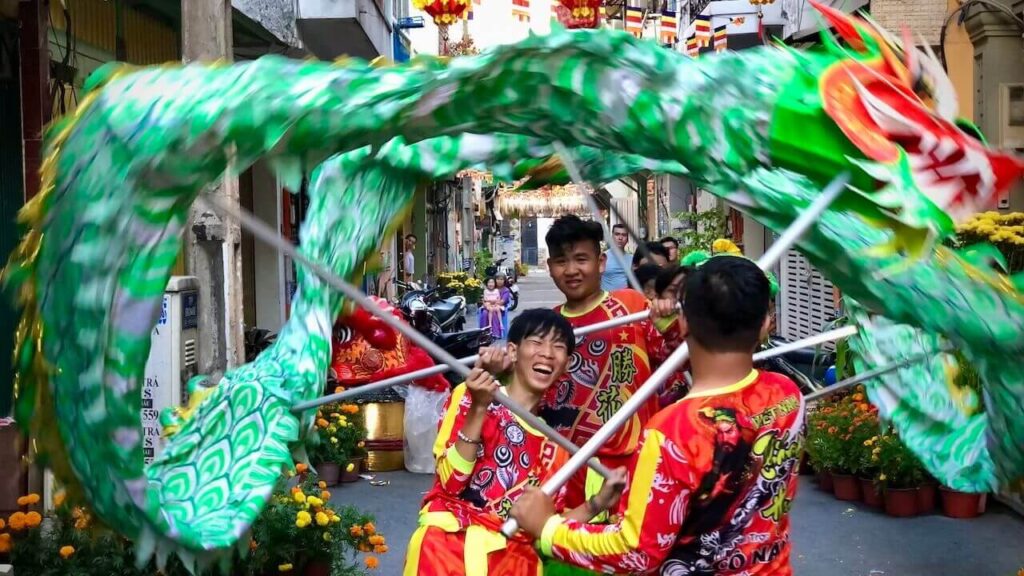
The biggest one to keep in mind is Tet, the Vietnamese Lunar New Year. Tet usually falls in January or February. Many businesses close for several days, while transportation can become extremely busy around the holiday. If you’re planning to visit Vietnam during Tet, book transportation and accommodation well ahead of time and expect some changes to normal business hours. Vietnam Tourism also warns travelers that many businesses tend to close during Tet.
Rain Doesn’t Always Mean a Bad Trip
One of the biggest mistakes travelers make when planning Vietnam travel is treating the rainy season as a complete washout. In fact, Vietnam’s rainy season doesn’t necessarily mean rain all day. You might have sunshine in the morning, a dramatic afternoon shower, and clear skies again in the evening.
Rain can also bring advantages, including greener landscapes, fewer crowds, and a different atmosphere. The trick is to build flexibility into your schedule.
Consider Your Travel Style
Your perfect season depends on the experience you’re after.
- For mountain trekking: Choose cooler and drier months, particularly spring or autumn in Northern Vietnam.
- For beaches: Choose the dry period for your specific coastal destination.
- For sightseeing: Comfortable temperatures may matter more than completely clear skies.
- For photography: Look at seasonal landscapes such as Sapa’s rice terraces or Northern Vietnam’s autumn scenery.
- For a multi-region trip: March and April offer one of the better compromises.
- For a quieter trip: Consider shoulder-season dates and be prepared for some weather variability.
Best Time to Visit Vietnam by Month
If you’re wondering when to visit Vietnam, this month-by-month overview can help you match your travel dates with the experience you want.
| Month | Where to Go | What to Expect |
|---|---|---|
| January | Southern Vietnam, Phu Quoc, Da Lat | Warm south, cooler north, good tropical escape |
| February | Central & Southern Vietnam, Da Lat | Pleasant conditions in many destinations |
| March | Vietnam overall | One of the best months for a multi-region trip |
| April | Vietnam overall, especially Central Vietnam | Warm weather and generally favorable conditions |
| May | Central Vietnam, Northern Vietnam | Warm to hot, with rainfall increasing in some areas |
| June | Ha Long Bay, Central coast | Hot, with good beach opportunities but storms possible |
| July | Central Vietnam, Nha Trang | Hot, with attractive beach conditions in parts of the coast |
| August | Sapa, Central coast | Rice terraces, hot weather, rain in some regions |
| September | Hanoi, Sapa, Northern Vietnam | Autumn begins in the north; central rain risk increases |
| October | Northern Vietnam, Pu Luong | Excellent mountain scenery, wetter conditions in Central Vietnam |
| November | Ha Giang, Northern Vietnam | Cooler mountain weather and seasonal landscapes |
| December | Southern Vietnam, Phu Quoc | Warm, sunny south while the north becomes cooler |
This is a broad planning guide rather than a weather guarantee. Honestly, there is no single nationwide season, highlighting different destinations throughout the year, from Da Lat in February and Hoi An in March to Hue in April, Central Vietnam in July, Sapa in August, Hanoi in September, and Phu Quoc in December.
Frequently Asked Questions About Visiting Vietnam
What are the best and worst months to visit Vietnam?
March and April are among the best months to visit Vietnam, especially for a multi-region trip. There is no single worst month nationwide, but September to November can be challenging in parts of Central Vietnam because of heavy rain, storms, and flooding, while Northern and Southern Vietnam can have very different conditions.
Which is better, Bali or Vietnam?
It depends on your travel style. Vietnam is often better for travelers seeking diverse landscapes, cultural experiences, food, cities, mountains, beaches, and more budget-friendly travel, while Bali is a strong choice for a tropical island vacation, resorts, and wellness experiences.
What is one of the biggest mistakes you can make in Vietnam?
One of the biggest mistakes is trying to see too much of Vietnam in one trip. The country is long and geographically diverse, so rushing between Hanoi, Central Vietnam, and Ho Chi Minh City can leave you spending more time traveling than enjoying your Vietnam trip.
Is $1,000 enough for 2 weeks in Vietnam?
Yes, $1,000 can be enough for two weeks in Vietnam for a budget-conscious traveler, especially if you choose affordable hotels or hostels, eat local food, and use public transportation. Flights, luxury accommodation, expensive tours, and frequent domestic flights can push your Vietnam travel budget significantly higher.
When should I avoid going to Vietnam?
There is no single period when you should avoid all of Vietnam, because weather varies by region. However, if you’re planning a beach vacation, check the rainy and storm seasons for your specific destination, and be aware that Central Vietnam can experience heavy rain and flooding from around September through November.
Can I wear red in Vietnam?
Yes, you can wear red in Vietnam. Red is generally considered a lucky and auspicious color, especially during Tet and other celebrations. Red is also the main color in Vietnam flag. Therefore, wearing red is perfectly acceptable for tourists.
Plan Your Vietnam Adventure with Confidence
Vietnam’s diverse regions offer something amazing year-round, as long as you nail the timing. Whether it’s the rugged north, the coastal center, or the lively south, picking the right season makes all the difference. Use this guide to map out your trip, and don’t forget to explore our detailed breakdowns of each area’s must-visit places. Your dream Vietnam getaway is just a well-timed plan away – where will you start?
Craving more wanderlust? The Broad Life unveils epic travel books to fuel your next adventure. These aren’t just guides—they’re tales of authors exploring new worlds, uncovering hidden gems, and soaking up wild cultures. Dive into the best travel reads now!
> READ MORE: THE BEST TRAVEL BOOKS OF ALL TIME
Hey, Plan Your Trip Like a Pro With These Resources!Pack Smart
Don't leave without essentials! Grab your Travel Medicines and a handy Travel Kit, must-have for any adventure. Visa Made Easy
Need a visa fast? IVISA offers quick, secured services with almost zero rejection risk. Get yours sorted now!
Find Flights & Rides
Score deals with my Find Cheap Flights Guide.
Or book buses, trains, and more on 12Go - easy travel to any spots!
Book Your Stay
I swear by Booking.com for hotels. Want a cozy vibe? Snag Free Airbnb Credits for homestays - click to save! Driving Your Way
Love road trips? Compare prices and snag steals on Discover Cars for a fun, flexible ride.
Stay Protected
Post-COVID, Travel Insurance is a game-changer. Shield yourself from health hiccups - get covered today!
‘PIN IT’ NOW TO SAVE YOUR INFO ABOUT THE BEST TIME TO VISIT VIETNAM


Khoi Nguyen
Khoi Nguyen builds The Broad Life with a desire to inspire people go exploring the world and live a more interesting, experience, and adventurous life. This blog shares the stories, pictures, and experiences at destinations where he has traveled to.


Leave a Reply