
20 Smelly Foods in the World: Would You Dare to Try Them?
Enjoying local foods is a big part of any journey. Food gives travelers a great experience and a taste of the culture at each destination. Still, due to their strong smell, not all foods are easy to try, even for food lovers and gourmets. Despite that, these smelly foods fascinate millions of people around the globe. Some are fermented, some are aged, and others simply have a naturally powerful aroma.
Here in this post is a list of 20 of the world’s most notorious smelly foods. I want to introduce them to you and dare you to try them. Do you accept this challenge?
The 20 Smelly Foods Around the World
From fermented fish and aged cheese to pungent fruits and unusual traditional dishes, these 20 smelly foods come from different corners of the world. Some are famous for their powerful aromas, while others might surprise you with how much local people love them. Let’s explore these unusual foods and see which ones you would dare to try!
Durian – Southeast Asia
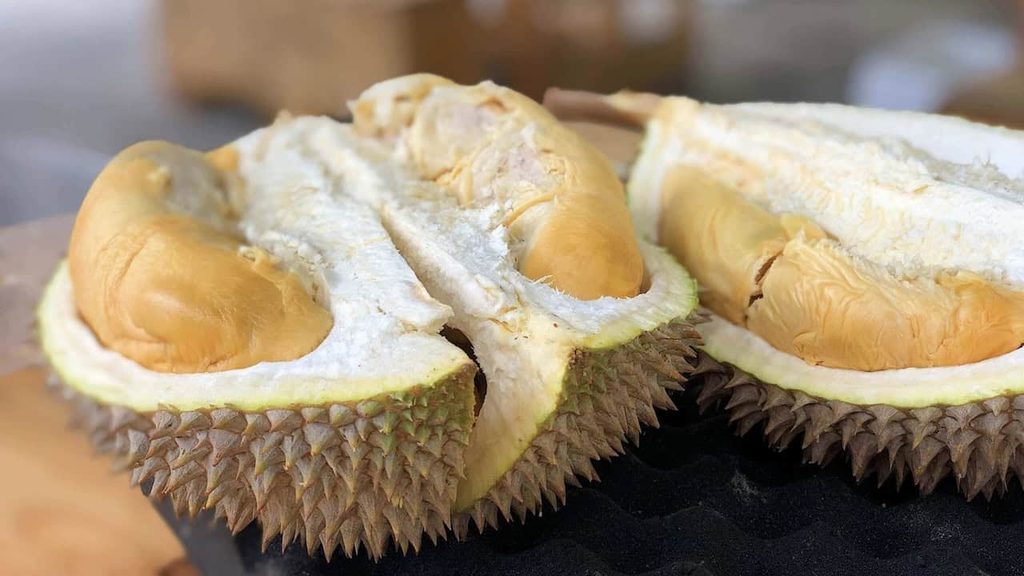
If you don’t know about this king fruit, you haven’t ever been to Southeast Asia. Indeed, Durian is a thorny fruit that looks quite like a jackfruit but has a scent that many people have to shrug and shake their heads at. However, if you can overcome the strange smell challenge, you can enjoy the delicious and sweet taste of durian. This is a picky fruit, but once eaten, it is very enchanting.
In fact, many people who already love durian like its smell too. The aroma, or odor, can be recognized easily. You can see me as an example of a durian lover. Some people can even eat the whole fruit, despite it not being good to eat too much.
Read more: 25 Best Vietnam Fruit and Where to Find Them
Stinky Tofu – China and Taiwan
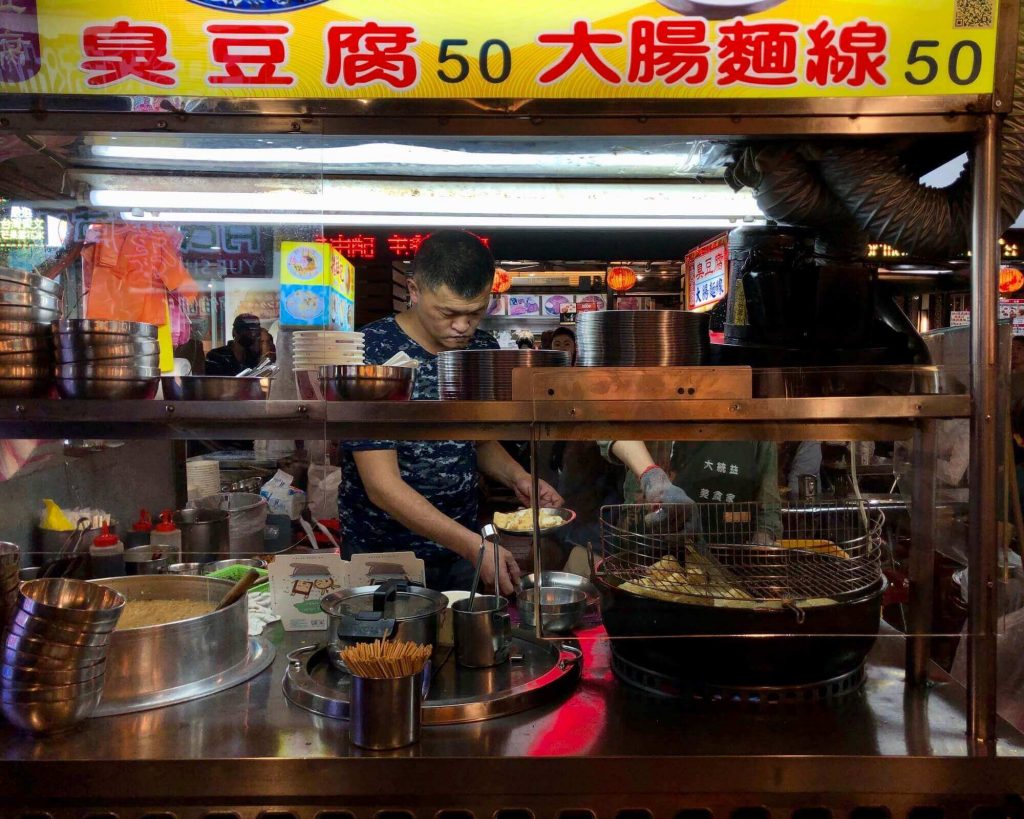
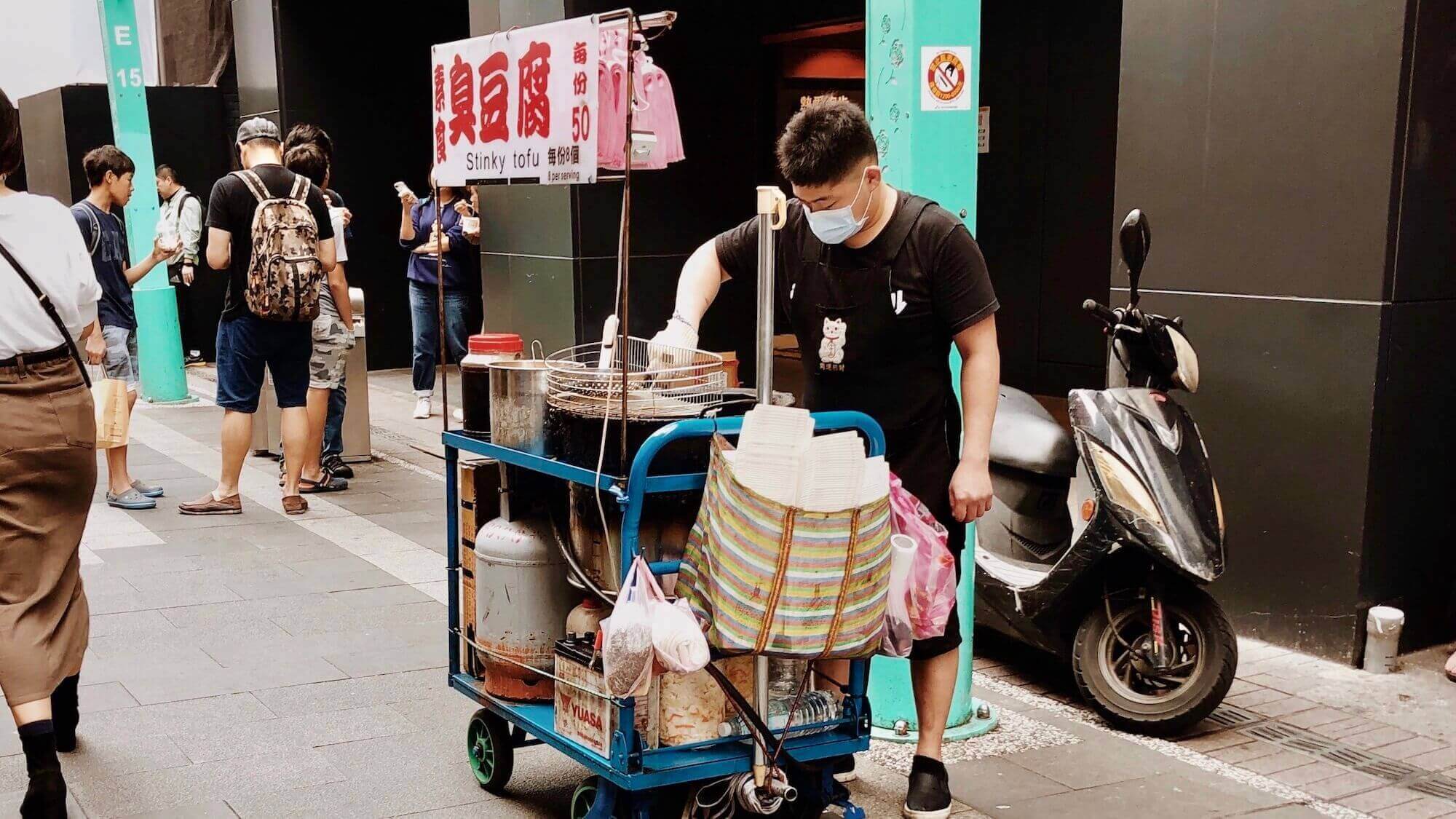
Stinky tofu is fermented tofu with a famously strong smell. It is a popular street food often sold at night markets and food stalls in China, Taiwan, and other parts of Asia.
To make it, fresh tofu is fermented in a pungent brine. Recipes vary by region and can include vegetables, seafood, meat, fermented milk, and salt. The result is a tofu with a powerful aroma that can surprise first-time visitors. However, for many foodies, the stronger the smell, the better the experience.
If you visit a Taiwanese night market, would you dare to order a portion?
Natto Beans – Japan
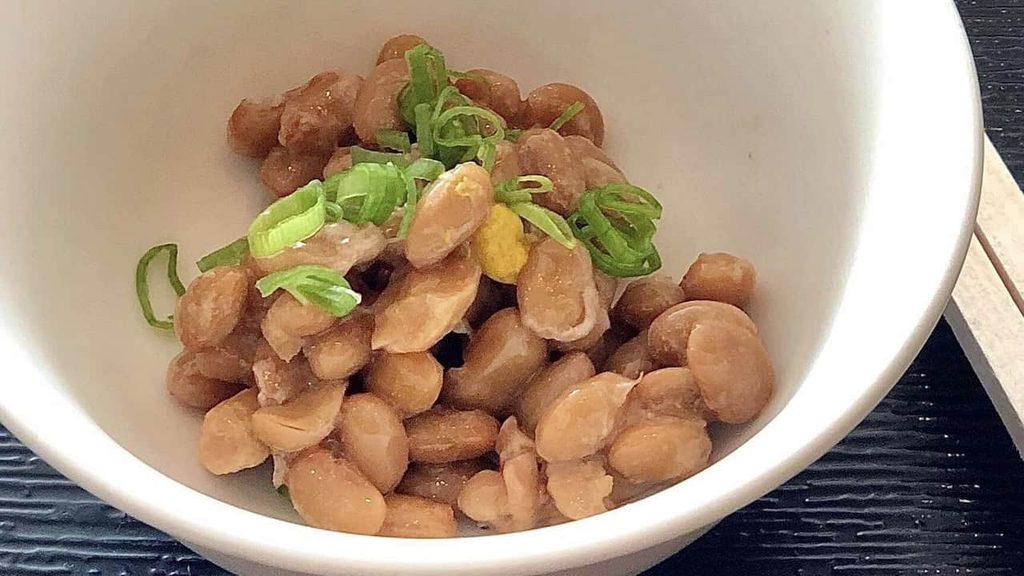
Diversity is a suitable word to describe Japanese cuisine. You can find famous dishes such as sushi, or a very different experience such as Natto. Indeed, Natto Beans are a traditional Japanese dish made of fermented soybeans, usually served in the first meal of the day with rice or sushi. Not only slimy in texture, but the dish is also known for its unpleasant smell that not everyone can tolerate. Nonetheless, Natto is rich in a number of nutrients like vitamins, proteins, and minerals that are important for health.
Natto is a traditional Japanese food and remains popular with many people. For adventurous food travelers, natto is certainly worth experiencing at least once.
Petai – Singapore and Southeast Asia
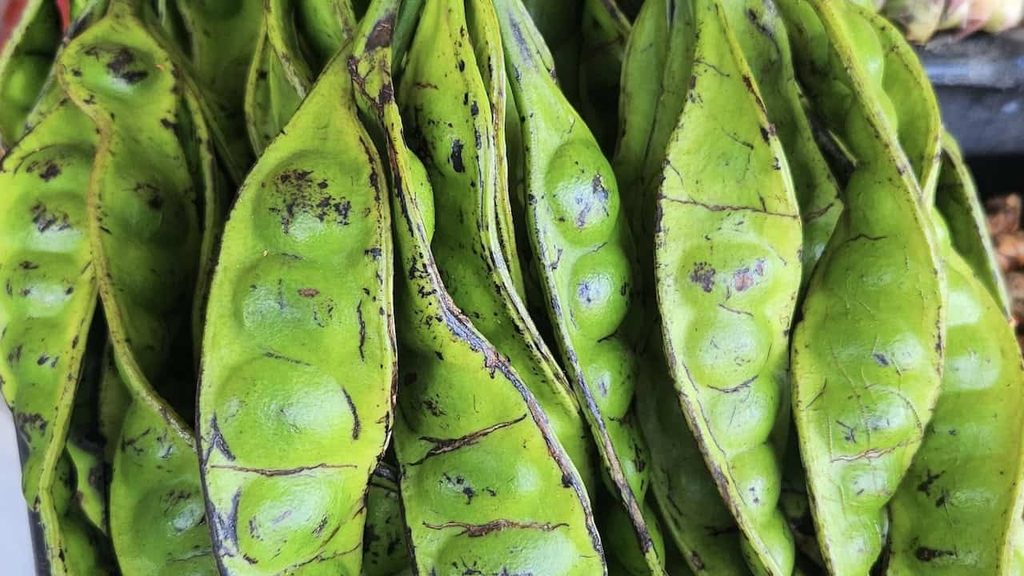
Petai, also known as stink beans, is a Southeast Asian ingredient famous for its powerful, garlic-like smell. The green beans are commonly used in local dishes and sambal. Singapore’s National Parks Board even describes petai as having a distinctive garlicky scent.
For some people, the smell is too strong. For petai lovers, however, that pungent aroma is part of the attraction. If you do a food tour in Singapore or other parts of Southeast Asia, keep an eye out for this unusual green bean. Would you be brave enough to try it?
Limburger Cheese – The United States
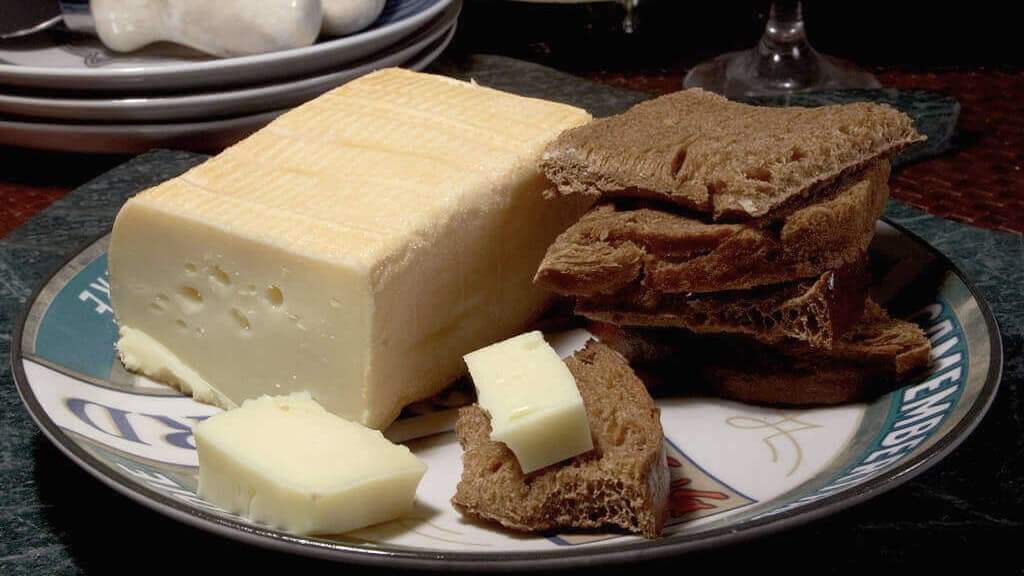
According to the Wisconsin Milk Marketing Board, there is only one cheese factory in Monroe, Wisconsin, which is solely responsible for the production of all late-aged Limburger in the United States. The reason? That’s because if only one more cheese factory were to open in this area, people would have to move out of that area for tens of miles to get rid of this indescribable smell.
On the other hand, Limburger is loved by the gourmets who like to spread it on a Limburger sandwich, with mustard and a few slices of onions. Even so, the smell of this cheese is just like rotten socks, which explains its legendary reputation among strong-smelling cheeses. If anyone doesn’t know and happens to come across this factory in Monroe, this would be mistaken for a sock-washing factory.
Yet, the flavor can be much milder than the aroma suggests. For adventurous cheese lovers, Limburger is a classic example of why you should not judge a food by its smell alone.
Époisses – France
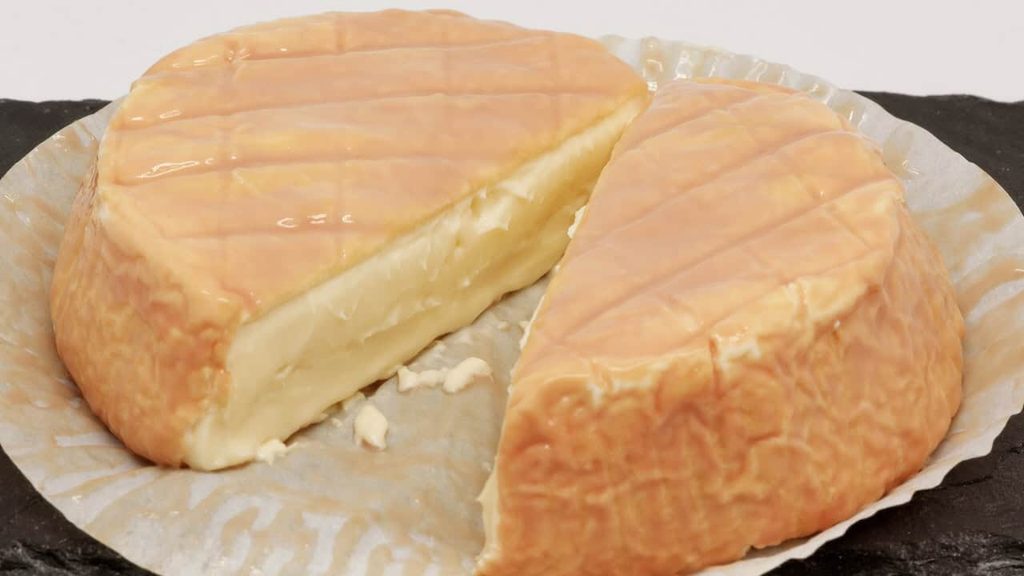
France already has Vieux Boulogne on our list, but another cheese deserves attention. Époisses is a soft cow’s-milk cheese from Burgundy with a washed rind and a famously powerful aroma. Its rind is regularly washed with water and Marc de Bourgogne during aging.
The official French description even notes its powerful nose and creamy, melting texture. The smell can be intense, but cheese lovers appreciate its rich and distinctive flavor.
So, after trying Vieux Boulogne, would you dare to challenge yourself with Époisses too?
Shrimp Paste – Vietnam
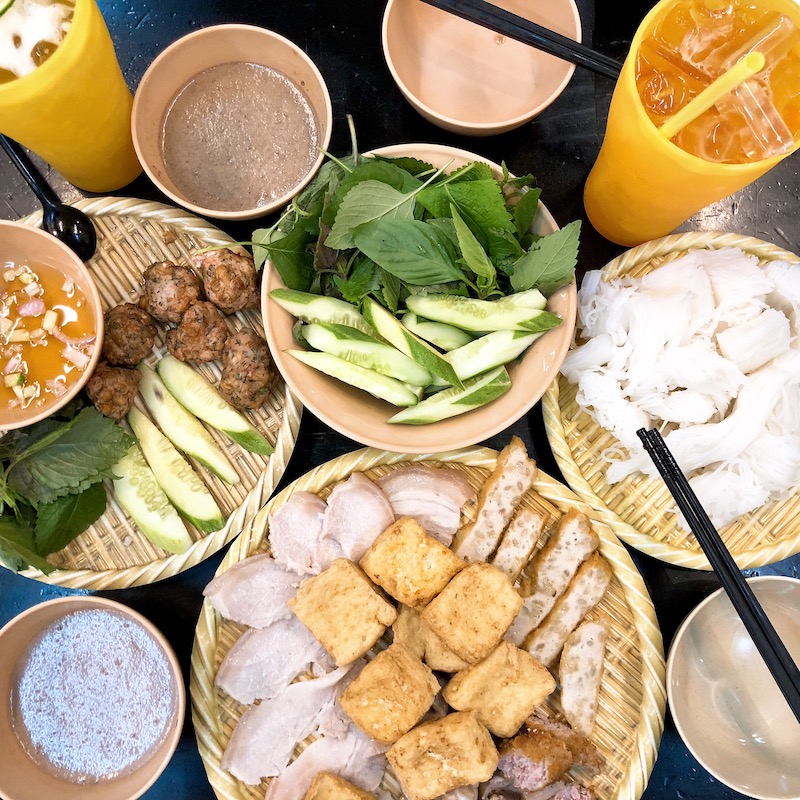
Shrimp paste is another kind of fish sauce made primarily from shrimp and salt, going through the fermentation process to create a unique flavor and color. This is a favorite food of many Vietnamese people, including me. However, not everyone dares to taste it the first time.
Once you adapt to this smelly food, it can become an incredible combination with many local dishes. One famous example is ‘bún đậu mắm tôm’ in Hanoi, where shrimp paste is served with rice noodles, fried tofu, boiled pork, herbs, and other ingredients. For me, this is one of the foods that proves ‘smell does not equal bad taste’.
Iru – Nigeria
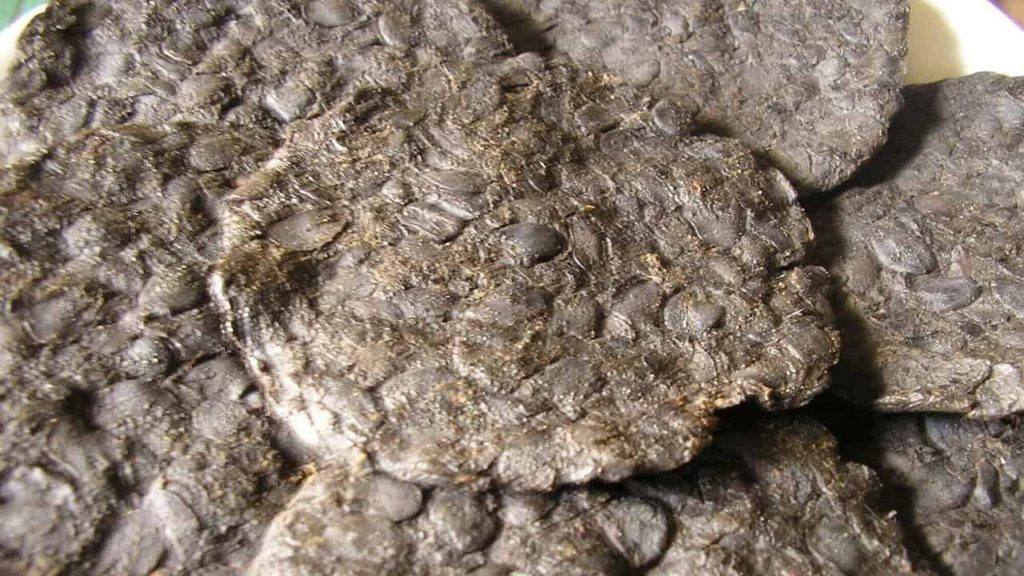
Popular in the Yoruba community in Nigeria, the Iru spice, also known as Dawadawa, is made from fermented and processed locust beans. With the effect of a special acid, after being cooked, Iru will add a surprising flavor to many soups and stews. But that is only when it is cooked. If you smell fermenting Iru, the first thing you’ll do right away is pack your luggage and fly straight out of this country. Why is that? Just put a bunch of rotten cabbage into a jar and smell it; you will know right away! And that’s also the time when you agree to add Iru to the list of the top smelly foods.
Shiokara – Japan
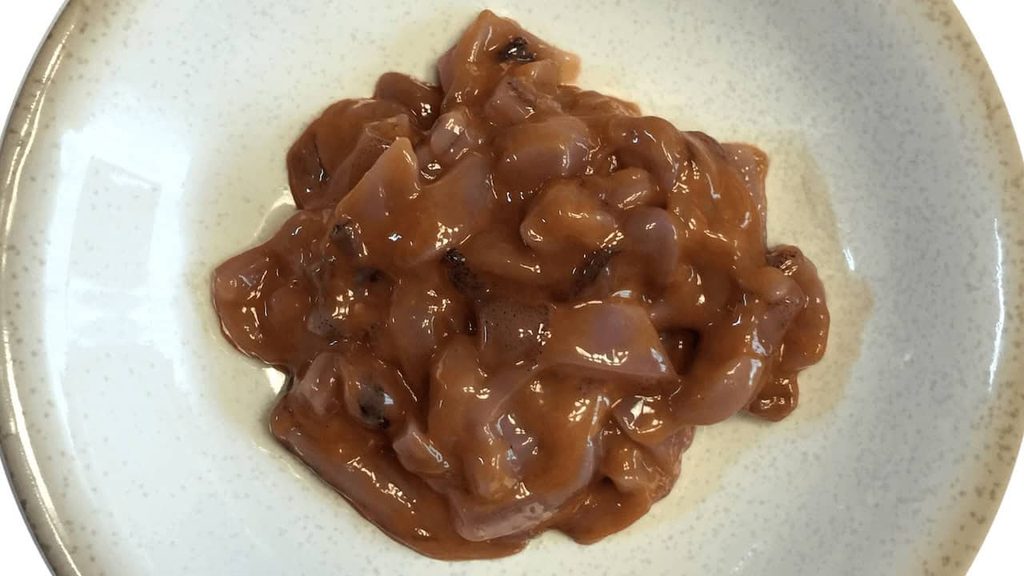
Shiokara is the name of a dish made from internal organs and fish intestines, then mixed with 10% salt and 30% rice flour in a sealed container for 30 days. There are many types of Shiokara, but the most preferred one by Japanese people is the “cuttlefish Shiokara”. This dish’s characteristic is that the taste will change over time. At the beginning of fermentation will be quite salty. Yet, the salinity will decrease over time and retain the smell of the dish.
Shiokara is often served with white rice or enjoyed as a small accompaniment to a meal. However, it is not easy to smell the odor coming from this dish. It has a very rotten taste, which can be challenging for first-time eaters. Yet, for people who appreciate strong fermented flavors, it is considered a distinctive part of Japanese food culture.
Iron Egg – Taiwan and China
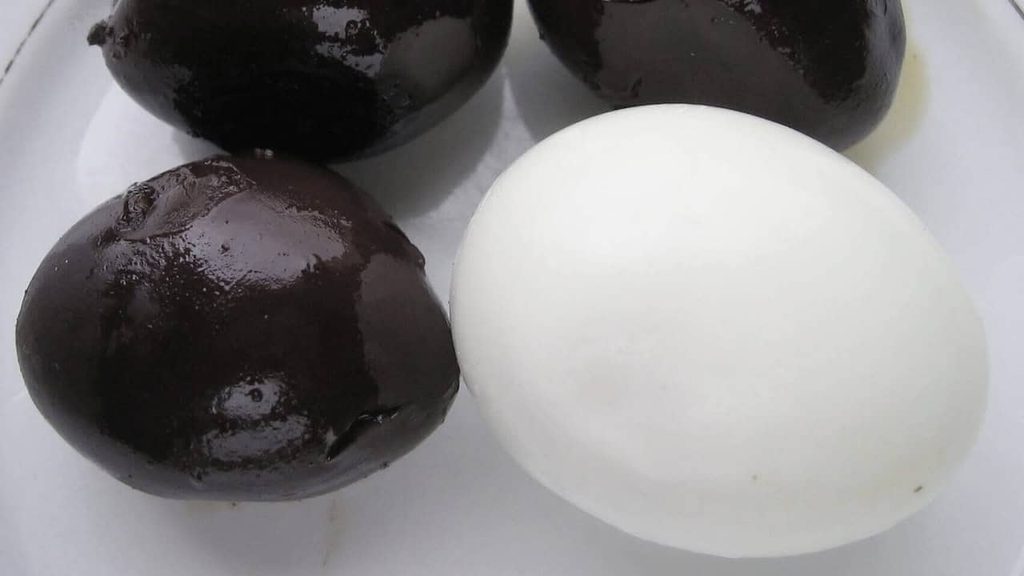
Iron Egg is a popular street food or snack in Taiwan. It looks quite similar to the Century Egg, but the processing is very different. According to the method of making Iron Eggs, people stew the eggs for about a week until the egg white turns brown and the yolk is dark green. Alongside, the smell of the egg is also very unpleasant. However, in terms of flavor, the Iron Egg’s yolk is soft and greasy, while the egg white is crunchy and a bit chewy, which many eaters appreciate when tasting.
Their aroma may surprise first-time eaters, but the unusual texture is part of what makes Iron Eggs so interesting. If you visit Taiwan for food, this is a fascinating street-food snack to look for.
Century Egg – Vietnam and China
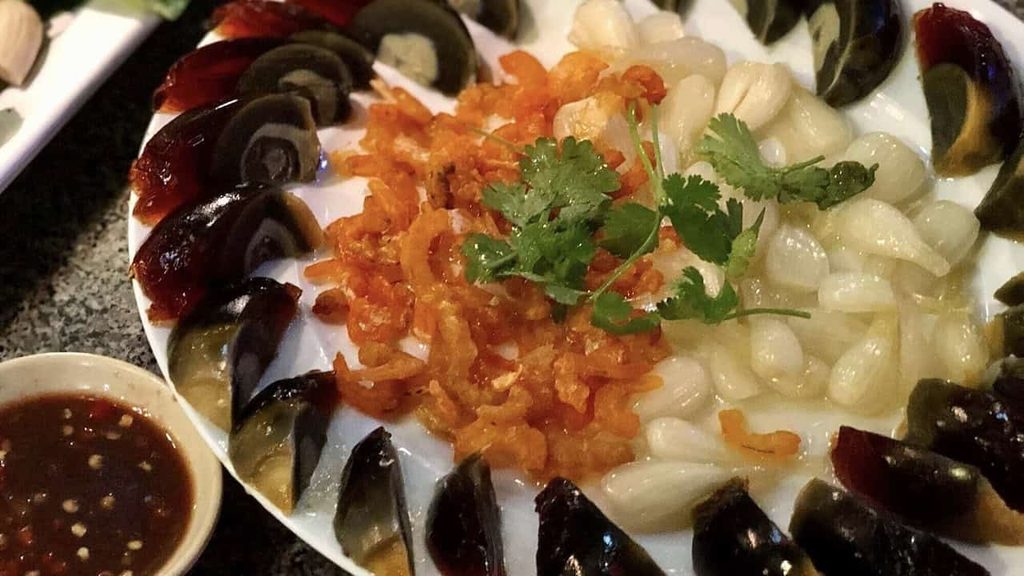
Century egg is a traditional Chinese preserved egg that is also widely enjoyed in Vietnam and other parts of East and Southeast Asia. The preserved egg develops a dark appearance and a distinctive ammonia aroma during processing. The yolk becomes creamy and rich, while the white develops a firm, jelly-like texture.
It may look intimidating at first, but the flavor is quite different from what its appearance suggests. Century Egg is special with its salty and fatty taste, appealing to anyone who has the courage to enjoy it. The Egg is used to make a lot of delicious dishes, including the best dish to be cooked in porridge. In Vietnam, people usually enjoy it with dried shrimp and scallions while drinking beer.
If you are traveling through Vietnam or China, would you dare to give it a try?
Lutefisk – Norway
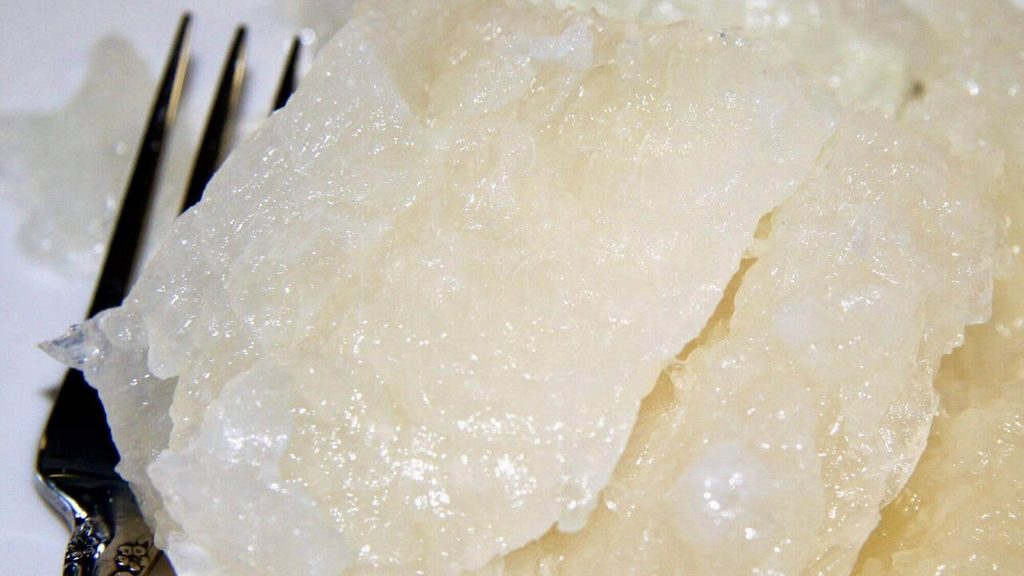
Lutefisk is a traditional Norwegian dish made from dried whitefish that is rehydrated and treated with lye before being prepared for eating. To Norwegians, this dish is said to have an unmatched rich taste. But to the rest of the world, its smell is still quite awful, considering it is one of the most smelly foods.
To make this traditional Lutefisk, the codfish has been soaked for days in alkaline water. Until the fish meat decomposes to a silver color, watery, and unpleasant smell, the meat will be processed by baking or steaming. The unusual preparation gives the fish its characteristic gelatinous texture. It is particularly associated with Norwegian Christmas traditions and family meals.
Although the smell and texture can be challenging for anyone who has never tried it, its taste is very good. Anyone who has tried it once will have to “remember it forever”. Nevertheless, lutefisk remains an important part of Nordic food heritage and is still enjoyed by many people today.
Rakfisk – Norway
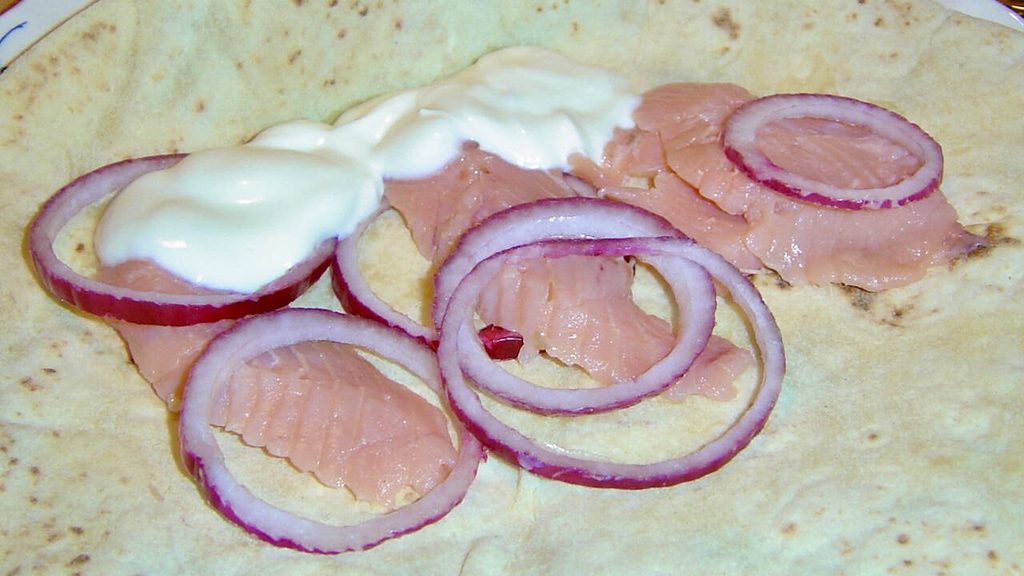
Norway gives us another fermented fish challenge with rakfisk. Rakfisk is traditionally made from trout that is salted and fermented. The food has a characteristic smell and taste, with Valdres being one of Norway’s most important production regions.
It is traditionally served with foods such as potatoes, red onion, sour cream, butter, and flatbread. The dish has a long history in Norway, with rakfisk production in Valdres dating back centuries.
If surströmming and lutefisk already sound challenging, rakfisk gives you another reason to explore Norway’s unusual fermented-food traditions.
Hongeo – Korea
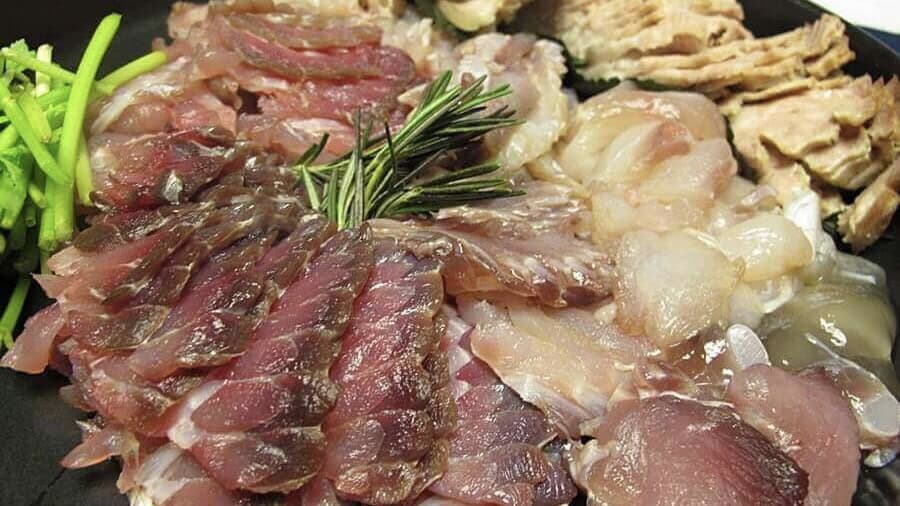
Hongeo is the dish that always appears on the list of the most smelly foods on the planet, and not everyone is brave enough to taste it. To illustrate, it is a fermented stingray dish originating from Jeolla Province in North Korea, now in South Korea. The signature smell of this special dish is easily uncomfortable for first-time customers. Although it smells a bit like ‘toilet’ as many people have commented, if you dare to try it for the 10th time, you must love this dish. Commonly, Hongeo is served with kimchi, boiled meat, and side dishes to reduce the odor.
The reason for the unpleasant smell comes from the stingray’s ingredients. Like sharks, this fish has no bladders or kidneys. Its digestive system releases uric acid only through the skin. When the stingray is fermented, uric acid converts into ammonia, causing an unpleasant odor that would make anyone run away. Even so, the smell of Hongeo remains in the mouth, clothes, and hair. You may have to wash clothes several times to eliminate the smell.
Smen – Morocco
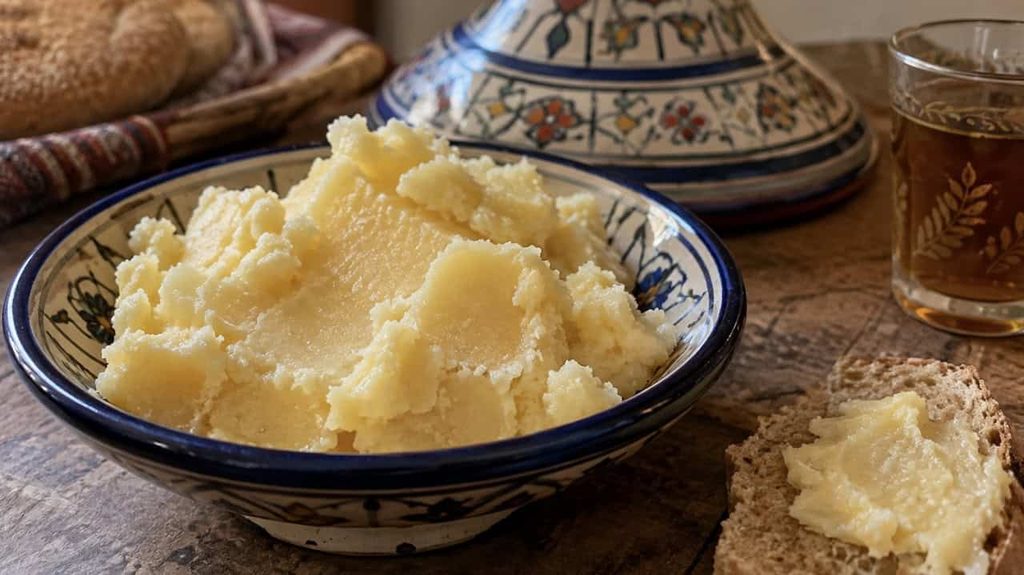
There are amazing foods in Morocco; there is also Smen, a traditional Moroccan fermented and salted butter with a surprisingly powerful aroma. The butter is salted and left to mature, allowing fermentation to develop its distinctive flavor and fragrance. Traditional Moroccan smen can be aged for several months. Its strong aroma can remind some people of very mature cheese or butter.
However, Moroccan cooks use smen as a flavorful ingredient rather than eating it simply for the smell. A small amount can add a deep, distinctive flavor to traditional dishes.
If you are traveling through Morocco, this is one of the smelly foods that adventurous foodies should know about.
Vieux Boulogne – France
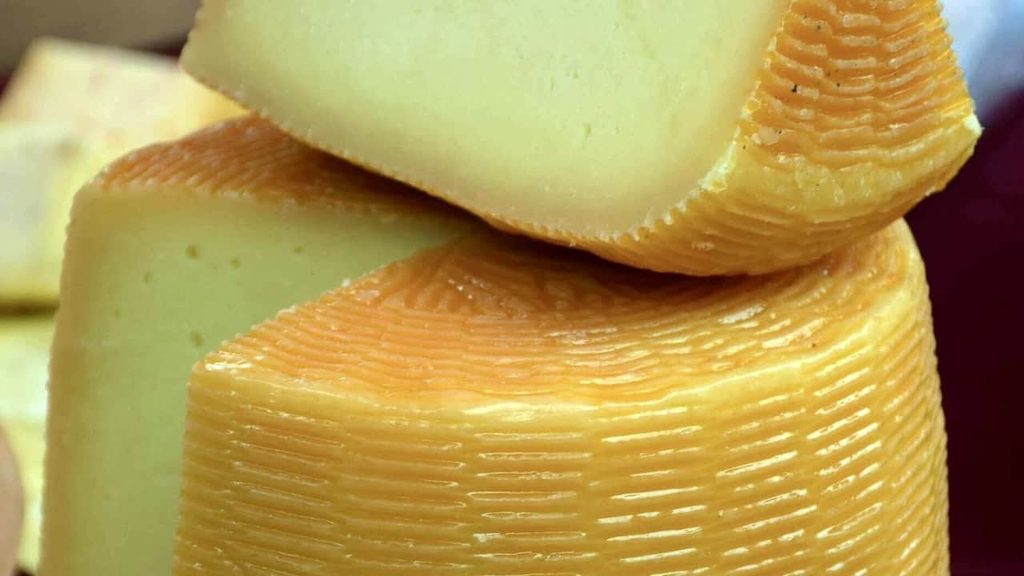
Originating from northern France, Vieux Boulogne is an unpasteurized cow’s-milk cheese with a remarkably strong aroma.
The reason for the heavy smell of the cheese is that the method of dipping fresh milk cheese in beer for more than 2 months causes the enzymes to ferment and continuously react chemically, leading to unpleasant odors. In a 2004 study at Cranfield University, Vieux Boulogne ranked as the smelliest among 15 cheeses tested.
For cheese lovers, however, a powerful smell does not necessarily mean a bad taste. Sometimes, the funkier the cheese, the more interesting the experience.
Hákarl – Iceland
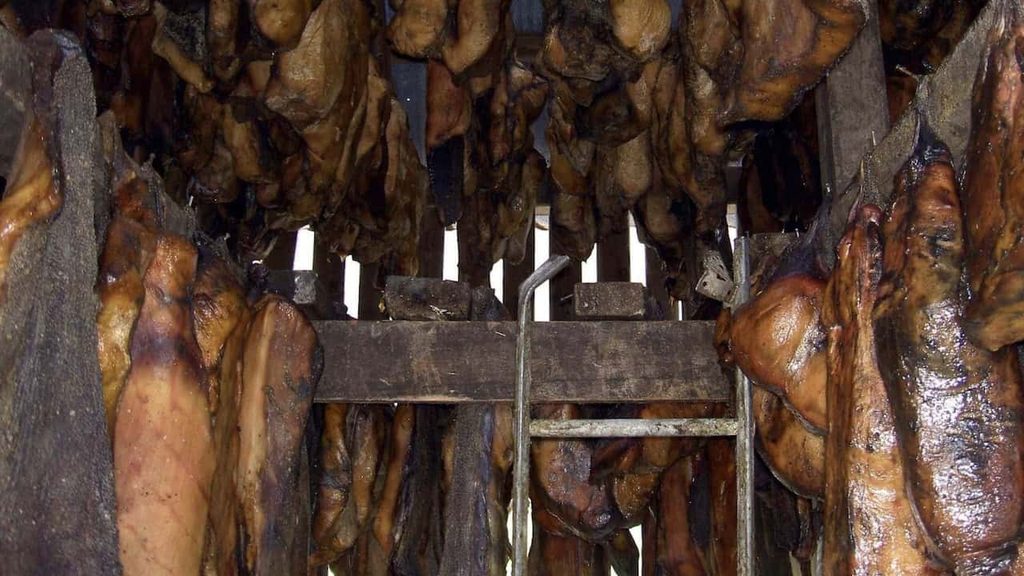
This Icelandic national dish is made from fermented shark meat, with a very strong ammonia odor and a characteristic fishy taste. Nevertheless, this Icelandic dish is so rare that many locals don’t really have a chance to taste it.
There are ways to process the Hákarl. Because the meat of this fish is very toxic, people have to boil it many times, dry it, or ferment it for about 6 to 12 weeks. Normally, people will bury the fish in the ground for the toxin to break down into ammonia. After the standard time, they dig it up and expose it to the sun for a few more weeks before eating it.
In addition, another interesting way of processing is to hang the shark in the warehouse until the meat has decayed. Accordingly, people will cut the fish into chunks and hang them in the house. The rotting meat then releases toxic uric acid in the skin. This method of processing must avoid sunlight and has a duration from 2 to 4 months.
Surströmming – Sweden
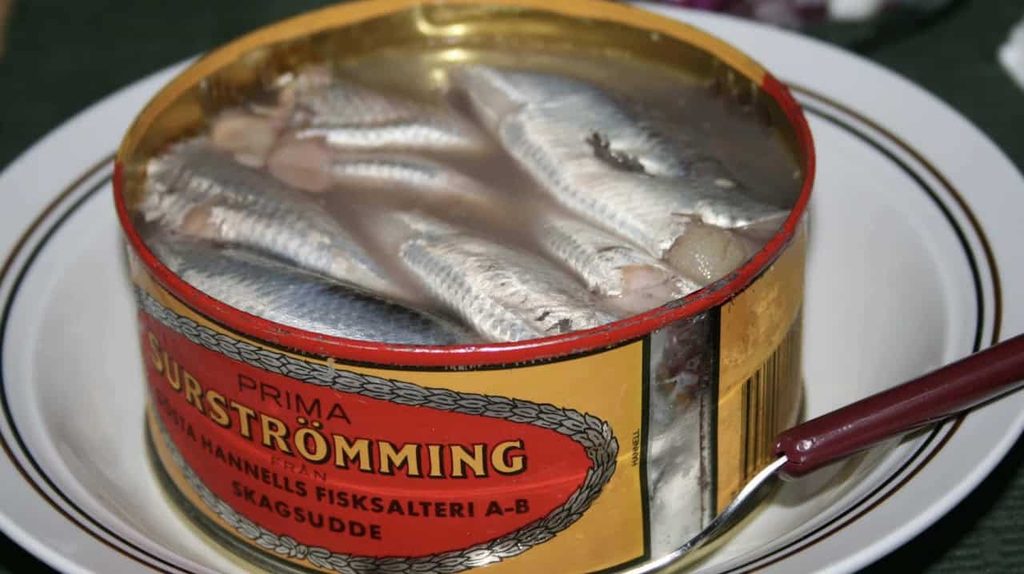
Always on top of the list of the world’s smelly foods is rotten herring, or Surströmming, as called in its hometown. Actually, this Swedish-origin dish is a real challenge even for the bravest people. Because just a fleeting smell is enough to make anyone shed tears, feel dizzy, or even vomit. Moreover, Surströmming is banned on flights by many airlines due to its very strong smell.
In fact, this dish is a sour, fermented Baltic sea herring. To elaborate, the herring is caught, people cut off the head and tail, wash them, and salt it for about a day. Next, the fish will be marinated and then dried under the sun for 24 hours for fermentation. The smell of Surströmming is like a burnt tire or diaper. Some people compare the food’s smell to rotten eggs, vinegar, and rancid cheese.
Nonetheless, Surströmming is considered a favorite food of Swedish people, despite its pungent smell. They eat the food with thin hard bread, boiled potatoes, and tomatoes, and drink beer. The dish can provide a lot of protein, saturated fat, and salt.
Kiviaq – Greenland
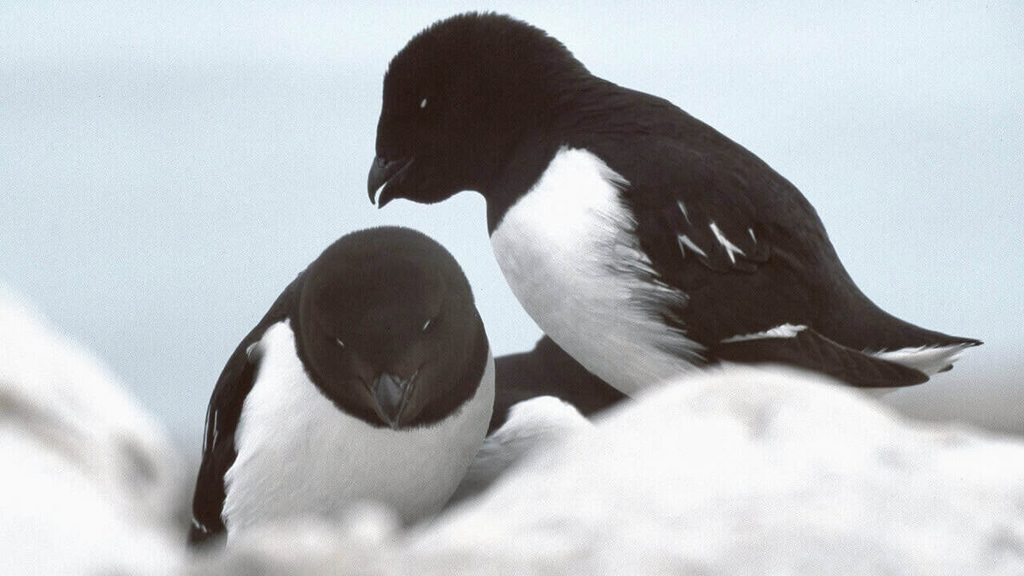
Described with a flavor “likely from hell”, Greenland’s Kiviaq specialty deserves to be the world’s most horrible dish. To make this smelly food, people catch seals, dissect their abdomen, remove the organs, and fill it with 300-500 Auk birds, which are small sea birds, leaving their feathers, legs, heads, and organs intact.
They then sew the seal’s abdomen, push the air inside by inserting a large rock into its belly, and bury the seal in the ground for 3-18 months. Immediately after being dug out of the ground, the pungent smell of rotting meat will rise, haunting many people. However, the aftertaste of this dish is said to be quite delicious.
Kiviaq is associated with Greenlandic Inuit food traditions and has traditionally been prepared for special occasions. It certainly isn’t an everyday dish for most travelers. However, its unusual preparation makes it one of the most fascinating foods on this list.
Casu Marzu – Italy
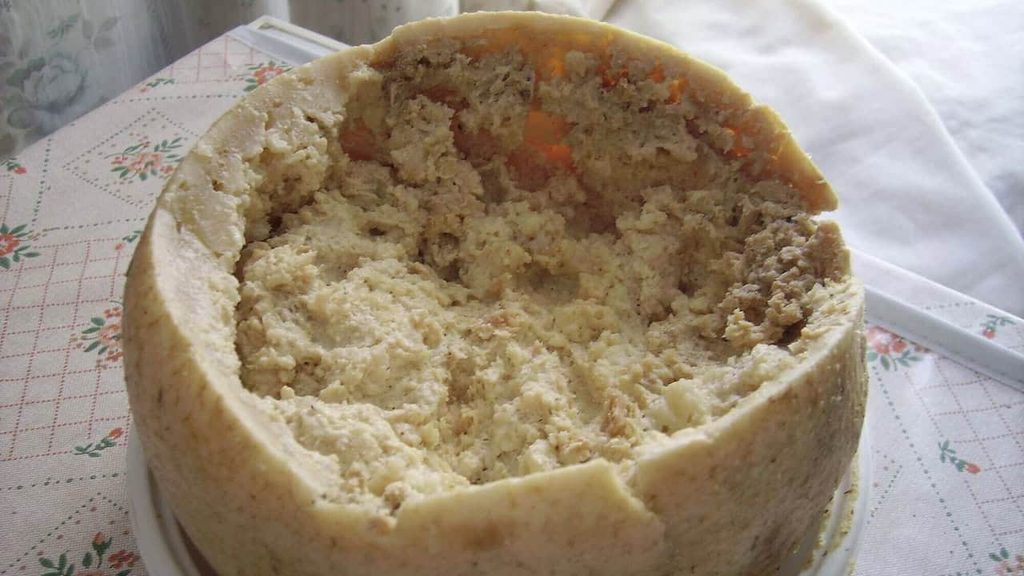
Casu Marzu is a famous specialty in Sardinia, Italy. This is a traditional dish of Sardinian people, often served on special occasions such as birthday parties, bachelor parties, or weddings.
Casu Marzu is made up of a type of cheese called Pecorino. People soak Pecorino in saltwater, then smoke it, and put it in the cheese cellar. Here, a type of fly flies in, laying eggs on the cheese. The fly eggs will hatch into maggots that eat fat in the cheese, making the dish soft, smooth, and giving it a special flavor. The result is certainly one of the world’s most unusual cheeses, adding its name to the must-try Italian food list.
Although it is a smelly food, people say that the more maggots, the better the cheese. However, if the maggots die, that piece of cheese also breaks down and creates a toxin that is harmful to the eater. Therefore, food-safety concerns surround casu marzu, and availability and consumption rules can vary. You should check local regulations and food-safety guidance before trying it.
Which of These Smelly Foods Would You Dare to Try?
From fermented tofu and fish to powerful cheeses, preserved eggs, fruits, beans, and even fermented butter, these 20 smelly foods show how different cultures have turned unusual aromas into beloved foods.
Some may challenge your nose before they reach your mouth. Others might surprise you with flavors that are far better than their smell suggests. That is one of the best things about traveling for food. You can discover something completely unfamiliar, take a deep breath, and decide whether you’re brave enough to take that first bite.
So, which one would you try first? Stinky tofu? Durian? Hákarl? Surströmming? Or perhaps the Moroccan smen? Tell me in the comments, and let the food challenge begin!
Smelly Foods FAQs
What are some smelly foods?
Some well-known smelly foods include stinky tofu, durian, surströmming, hákarl, natto, shrimp paste, and strong cheeses such as Vieux Boulogne and Époisses. Their powerful aromas often come from fermentation, aging, or naturally pungent compounds.
What foods have a strong smell?
Foods with strong smells include fermented fish, aged cheeses, fermented seafood, durian, natto, petai, and certain preserved foods. The intensity varies depending on preparation, fermentation, and personal perception.
What are some pungent foods?
Common pungent foods include garlic, onions, chili peppers, durian, petai, shrimp paste, natto, fermented fish, and aged cheeses. Many are popular ingredients in traditional cuisines around the world.
What foods smell the most?
Some of the most notorious smelly foods include surströmming from Sweden, hákarl from Iceland, stinky tofu from China and Taiwan, and Vieux Boulogne from France. However, there is no universal ranking because how food smells is partly subjective.
What is the yuckiest food?
There is no single “yuckiest food,” as taste and smell are highly subjective. Foods such as casu marzu, kiviaq, hákarl, and surströmming are often considered challenging for first-time tasters because of their unusual preparation, texture, or powerful aroma.
What foods make you smell great?
Foods such as citrus fruits, fresh herbs, apples, and water-rich fruits and vegetables may contribute to a fresher overall scent. However, body odor is influenced more by hygiene, genetics, hormones, and individual metabolism than by any single food.
IF YOU DARE TO TRY THE SMELLY FOODS IN THIS LIST, PIN THIS POST NOW TO PLAN YOUR FOOD TOUR.

Khoi Nguyen
Khoi Nguyen builds The Broad Life with a desire to inspire people go exploring the world and live a more interesting, experience, and adventurous life. This blog shares the stories, pictures, and experiences at destinations where he has traveled to.
42 Comments
-
-
Khoi Nguyen
Just take a try haha. And please share me your experience with the cheeses!
-
-
Bill
I used to thing I’d eat almost anything, but now i realize that I was wrong. While I appreciate that these are delicacies, I don’t think I’d eat any of them. Interesting read, though!
-
Khoi Nguyen
I’m glad that you like this list, but it would be more interesting if you can eat any and share your experience.
You really think you don’t want to try?
-
-
Coombe Mill
I adore the really smelly French cheeses, I’ll have to look out for the one you mention here now.
-
Khoi Nguyen
Please tell me your experience after you tried it! 🙂
-
-
Matt Taylor
I watched a recent episode with Gordon Ramsay and he tried Lutefisk, haha he said it smelled horrible! I definitely want to try Durian at some point.
-
Khoi Nguyen
I hope you will love Durian after tried haha. That’s my favorite fruit!
-
-
TheSuperMomLife
Although I’m sure they taste great, I don’t think I could do it. I smell everything before I eat it and if it doesn’t smell appetizing, I won’t eat it.
-
Khoi Nguyen
That’s bad. You may miss a lot of great foods because of the smell.
How about Durian, have you tried it?
-
-
Liz
I’m definitely not brave or adventurous enough to try any of these! LOL!
-
Khoi Nguyen
Haha yolo, perhaps you will like on of these, who knows?
-
-
Emily Fata
I eat durian fairly regularly, and it’s so yummy! Before I went vegan, I also used shrimp paste in my curries.
-
Khoi Nguyen
Wow really, durian is good, isn’t it? And how do you think about shrimp paste?
-
-
Gervin Khan
I already tried tasting the Durian and it was really delicious but I don’t think that I am brave enough to try the rest of it.
-
Khoi Nguyen
Yeah me too, I don’t think I can try any of these again, except durian and shrimp paste!
-
-
THE JOYOUS LIVING entertainment + disabled blogger (@thejoyousliving)
that is a tough one! i am not an adventurist when it comes to my foods. but if the taste was really good i might have to try at least once 😉 just glad no smell-computers yet hehe.
-
Khoi Nguyen
Yeah me too I always want to try at least once when I have a chance. Then if it’s fit my taste I will skip later haha.
-
-
Brianna
I’m not sure I would try most of these but I’d love to see them and smell them!!
-
Khoi Nguyen
Seeing and trying them are the easier parts than smelling haha.
-
-
Angela Ricardo Bethea
I know some of these and I can tell that they have really unique taste if you’re brave enough to fight the smell.
-
Khoi Nguyen
Which one has the best taste you tried?
-
-
-
Khoi Nguyen
Yeah, it’s the miracle of the smell. When you get used to it, you will feel the smell is nothing. Then its yummy taste will attract you the next time.
Century egg is good with beer too.
-
-
TheHappyMommie
I can never dare try any of these ! honestly I dint even know about some of these like Iron egg or century egg! Very informative post 😊
-
Khoi Nguyen
Glad that you find this post informative, and I will be even more curious if you try any of the foods ^^
-
-
romyraves
This was such an interesting and enlightening post. I am all about stinky cheese is though, the stinkier the better
-
Khoi Nguyen
How was your experience with the stinky cheese?
-
-
Ntensibe Edgar Michael
Wow….no, thank you on this one! Tofu is far enough for the list you have shared here.
-
Khoi Nguyen
Haha I see. Tofu could be an easy choice.
-
-
Marie
I have such a strong and sensitive sense of smell that I am probably tapping out on all of these. I wouldn’t be able to eat it if I can’t get past the smell. This was very interesting to me to see what different parts of the world eat, though!
-
Khoi Nguyen
Thanks for your comment! But would you dare to try if you don’t smell the foods? Just a thought 🙂
-
-
rooms inhuddersfield
Great post, I am John Wick, if you worried to stay a beautiful place must visit, if you are a student or traveler and worried about rooms So no need to worry, we are here for you. Feel free to contact us.
-
Khoi Nguyen
Ok I see
-
-
katrina Kroeplin
i don’t think i could do it but more power to the ones that can.
-
Khoi Nguyen
You should give it a try, it’s hard to know which one you are good to try.
-
-
Jessie Q. Synan
Oh my! I give credit to anyone that is able to try the smelliest foods! I have a hard time with brussel sprouts, lol!
-
Khoi Nguyen
I haven’t known about the Brussel sprouts before. How is it tasted?
-
-
Vinn
I have eaten durian, shrimp paste and century egg. I’m not sure if I have the will or the stomach for these other stinky foods. Thanks for sharing!
-
Khoi Nguyen
You should take tries for the rest, perhaps you can eat all of those.
-
-
Khoi Nguyen
Haha please tell me your experience if you do
-
-




M
I’ll totally try all stinking cheeses, but I am not so sure if I am brave enough for the rest;)