

Hidden Kyoto: Backstreets, Artisans & Local Food Culture
Kyoto is often portrayed through the quiet mystique of its ancient temples, moss-covered gardens, and iconic torii gates. And while those sights deserve every bit of their reputation, hidden Kyoto is where the city truly reveals itself – in the narrow backstreets few tourists notice, centuries-old townhouses still lived in, artisan workshops tucked behind unmarked doors, and family-run eateries quietly preserving recipes passed down through generations.
This is the Kyoto that exists between the landmarks. A city shaped not only by monuments, but by everyday life: lantern-lit alleys, wooden counters polished by decades of use, and neighborhoods where traditions are practiced rather than performed. Hidden Kyoto rewards slow walkers, curious eaters, and travelers willing to stray a few blocks off the main route.
In this in-depth guide, you’ll explore Kyoto’s lesser-known neighborhoods, meet master artisans, uncover local food culture beyond kaiseki, and learn practical insights rarely shared in mainstream guides. If you’re seeking a deeper, more meaningful Kyoto experience during your trip to Japan with Indus Travels, this guide is designed to help you see the city the way locals do – quietly, intentionally, and up close. Many travelers arrive here after a first-time visit to Tokyo, looking for a slower, more intimate way to experience Japan’s cultural depth.
1. The Hidden Streets of Kyoto: Where No One Goes, But Should
While Gion and Arashiyama capture the attention – both central to Kyoto’s main cultural districts – the city has dozens of other neighborhoods crammed with history, daily life, and micro-cultures waiting to be discovered.

1.1. Sannenzaka & Ninenzaka
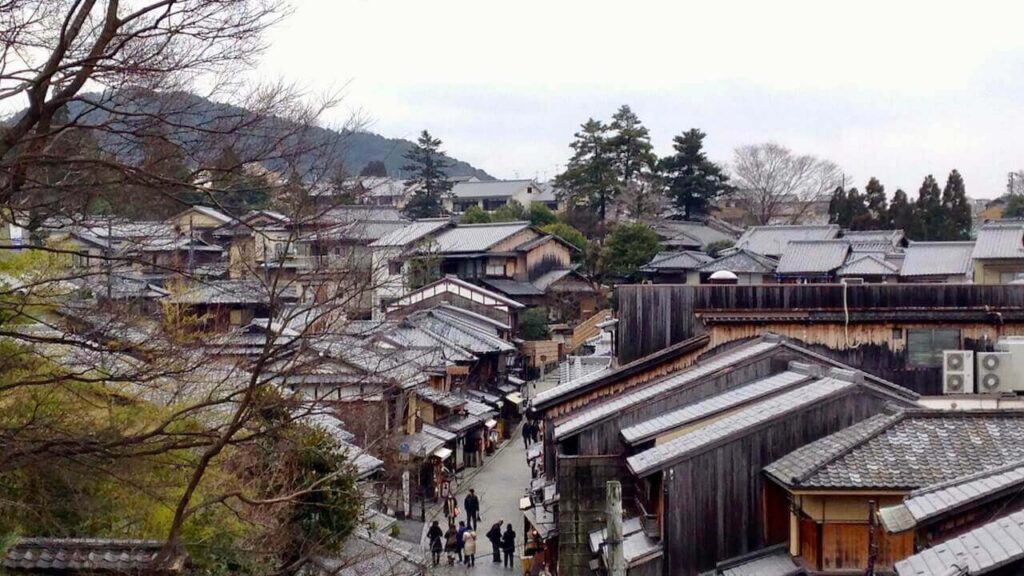
These two historic streets are legendary, but there’s something quieter, subtler than meets the eye. Go at 7 a.m., before the shops open, and nearly an entire pristine slope of stone feels like it belongs to only you. The slam of delivery carts, the fragrance of early morning incense, and the silence make it seem as if time has stopped.
- Hidden Gem: Behind Sannenzaka, a small side alley leads to Ishibe-Koji, one of the most beautiful preserved lanes in Kyoto. Most tourists never find it.
1.2. Pontocho’s Residential Back Alleys
The primary street through Pontocho is bustling, but the narrow side alleys are quite still. Keep an eye out for the little wooden signs advertising local workshops. You’ll see fabric dyers, lantern makers, and restaurants without signs – just a wooden slat and a lit paper lamp.
- Hidden Gem: Down a thin side street behind Pontocho is a vista of the Kamo River framed by ancient wooden tea houses. It’s one of the best places for photography.
1.3. Shirakawa-Minami Dori – Kyoto’s Most Romantic Street
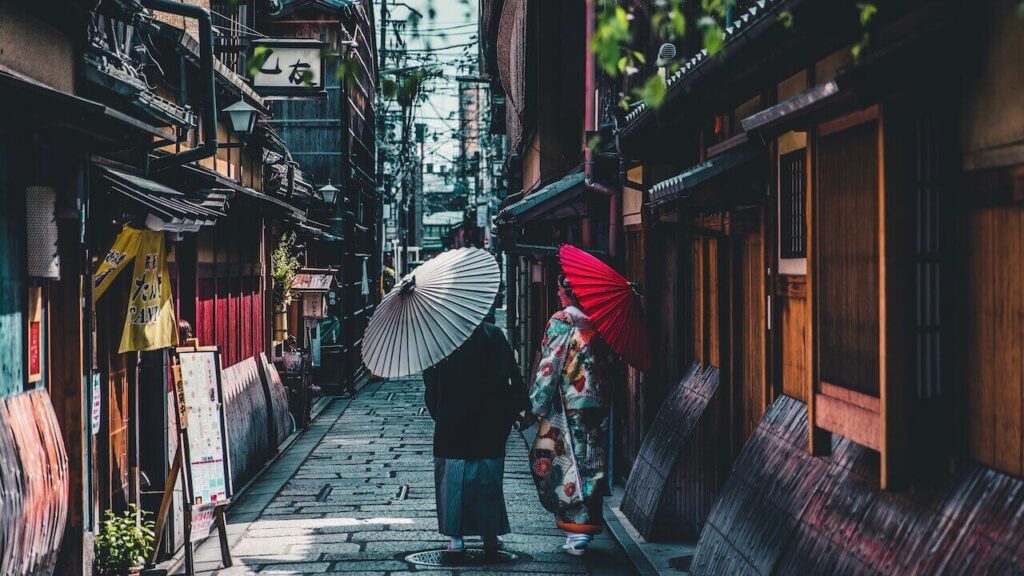
Lined by willows, this street just off Gion is the place to wander at night under lanterns to find small inns and craft shops. It’s one of the rare places where you can still feel some sense of the old Kyoto without a pressing mass of people.
- Hidden Gem: Go right after a rain, when the light of lanterns off wet stones is magical.
1.4. Kamishichiken: Kyoto’s Quietest Geisha District
Gion draws most visitors, but Kamishichiken is older and more tranquil, located near Kitano Tenmangu Shrine. It’s common if you hop from teahouse to teahouse, seeing geiko and maiko stroll quietly between them without hordes of people or camera flashes.
- Hidden Gem: Go during the Baika-sai Plum Blossom Festival to see maiko serving tea in the shrine’s gardens.
2. Artisans of Kyoto: Workshops, Craft Studios & Makers You Can Meet
Kyoto has more artisans for every square kilometre than nearly any other Japanese city. But not all are publicly accessible. These, however, welcome curious travelers.

2.1. Yuzen Dyeing Workshops
Kyoto is the city where Kyo-Yuzen, a delicate dyeing technique for kimono fabrics, originated. Many are family-owned and keep private, reservation-only hours where you can observe (and sometimes attempt) the dyeing process.
What Makes This Unique
You’ll see how craftsmen employ brushes bearing dozens of independent bristle bunches to paint gradations. There is no online video that goes into this level of detail.
Where to Go
Small ateliers in and around Gojo, Nishijin - ask for a “tezome taiken” (hand-dyeing experience).
2.2. Nishijin-Ori Weaving District
Nishijin was originally established in Kyoto over 1200 years ago. Behind weathered wooden houses are environments in which you will travel back to the time of artisans weaving obi belts at ancient handlooms.
Travel Tip
Get there before 11 AM – after that, all the machines start to get loud, and the makers won’t be available for long chats.
Extra Insight
Many workshops will show you the back of a woven obi if you ask nicely. It is the inverse of the front-facing pattern, which is often more beautiful than the front, and one that visitors are almost never shown.
2.3. Kyo-Sensu (Folding Fan) Makers
Kyoto fans are not mere souvenirs – they take up to 80 separate steps to assemble. You can drop into studios where artisans cut bamboo by hand and layer washi paper with silk threads.
Unique Fact
Maiko fans have thicker bamboo ribs for more sophistication, and summer fans employ the use of a special breathable washi.
Kintsugi Repair Studios
And jobu sugi-nori, the art of applying pieces of lacquered paper to bamboo, is typically taught in Tokyo or Kanazawa. But in Kyoto, travelers can actually watch it happen, inside tiny studios.
Pro Tip
Steer clear of tourist workshops that complete your piece in a day. Real kintsugi takes weeks, but many genuine studios allow you to watch or purchase studio-made pieces.
2.4. Wooden Comb Makers in Gion
These artisans hand-carve every tooth, a process that takes hours. Geiko prizes these combs because they don’t create static and last a lifetime.
Hidden Secret
Inquire if they have “imperfect” combs. These are blemished, half cost as much, and do the exact same job. Only locals know this trick.
3. Hidden Kyoto Food: Local Dishes Beyond Kaiseki and Matcha
The city’s culinary scene is flavored with Buddhist traditions, imperial tastes, and old merchant families. Sure, there’s the famous kaiseki and matcha desserts, but beyond that are dozens of hyper-local foods that don’t usually make it into travel guides.

3.1. Obanzai: Everyday Home Cooking in Hidden Kyoto
Obanzai is what Kyoto people cook at home: vegetables, simmered and left to cool in a brothy sauce; tofu dressed lightly with the barest wisp of smoke; shaved black sesame over cold salads; roots miso-seasoned. The majority of cha chaan teng are small, with only 10–20 seats, operated by old “Kung Fu masters”.
Where to Look
Higashiyama, or the northern Half of Kyoto.
Tip
Order “ichiju-sansai”: a balanced meal of soup and three side dishes. This is how locals eat.
3.2. Yuba Tasting Near Nanzen-ji
Yuba (tofu skin) is a specialty of Kyoto, and near Nanzen-ji Temple, there are family-run stores where you can get fresh yuba, hand-pulled each morning.
Hidden Trick
Order the “nama yuba” (raw again). Cooked versions are almost all that most travelers get to taste.
3.3. Kyoto-Style Sushi (Sabazushi)
Kyoto’s sabazushi, rather than Tokyo’s nigiri-style sushi, is vinegar mackerel wrapped in kombu. As you really ought to, because only a couple of shops still make it the old-fashioned way, by pressing it overnight.
Pro Tip
If you stop by around lunchtime, some of the shops will sell “end pieces” at a discount – these are particularly loved by Kyoto locals.
Kissaten Culture – Old-Style Coffee Shops
Kyoto’s kissaten cafés are like time capsules from the ’70s. Look for jazz vinyl, dark-as-night drip coffee, and thick toast.
Tip
Get a “morning set” even in the p.m. Some kissatens have it all day, but it’s not posted.
3.4. Rare Street Snack in Nishiki Market
Nishiki is known, but people tend to stick to the main corridor. Go down the back side streets to seek out unusual foods such as:
- Sesame tofu donuts
- Grilled baby octopus, quail egg
- Yuzu-pepper pickles
- Soy milk croquettes
Local Trick
Hit at 5 p.m. – lots of vendors mark down perishable food close to closing time.
4. Kyoto’s Hidden Cafes, Tea Houses, and Dessert Shops

4.1. Temari-Zushi Café in Gionkobu Backstreets
Behind Kennin-ji Temple is a tiny café selling colorful, ball-shaped sushi that was traditionally an auspicious festival food. It’s also light, delicate, and photogenic – perfect hiking food between temple stops.
4.2. Kissaten Hidden Underground In The Kyoto Station Area
A basement café that most travelers walk by, but is only a few minutes from the station. Look for old wooden booths, retro cakes, and some of the best Vienna coffee in town.
Tip
Request the “裏メニュー (ura menu)”- secret menu items still exist in old kissaten culture.
4.3. Modern Matcha Dessert Labs
Kyoto’s next-gen tea houses play with matcha spheres, nitrogen-chilled desserts, and molecular infusions. Great for bold eaters who appreciate a contemporary take on classic flavors.
5. Cultural Experiences Only Locals Know
Travelers interested in Japan’s living traditions often pair Kyoto with destinations like Hiroshima’s cultural landmarks, where history and daily life intersect in equally meaningful ways

5.1. Daylight Market at Kitano Tenmangu Shrine
This flea market, held on the 25th of each month, is where locals go for ceramics, old textiles, and antiques, as well as street food.
Pro Tip
Get there before 9 a.m. to get real vintage stuff at low prices. The best selection is often carried by dealers early.
5.2. Philosopher’s Path Off-the-Map Detours
The vast majority of visitors hike the main trail. But behind it lie miniature stone bridges, secret gardens, and tranquil residential lanes.
Trick
Look for signs reading 抜け道 (“side path”) — they lead to the most tranquil areas.
5.3. Traditional Sento Bathhouses in Local Kyoto Neighborhoods
Kyoto still has century-old public bathhouses with wooden tubs, old tiled murals, and community charm.
Tip
Bring coins; many still have old-fashioned lockers that need 10-yen pieces.
6. Hidden Kyoto Neighborhoods: What to Eat, Buy, and Experience
6.1. Higashiyama
- Eat: Yuba don, sesame tofu
- Buy: Hand-painted fans
- Do: Sannenzaka, early morning photography walk.
6.2. Nishijin
- Eat: Traditional Kyoto sweets
- Buy: Woven obi, hand-dyed scarves
- Do: Observe artisans at work weaving Nishijin textiles
6.3. Arashiyama Backstreets
- Taste: Bamboo shoot (spring), Soba noodles freshly made.
- Buy: Bamboo baskets
- Do: Wander Sagano’s serene residential streets
7. For the Real World You Won’t Find Anywhere Else
7.1. Avoid Crowds Like a Local
- Temples open at about 6 a.m.; get an early start on the bigger sites.
- Go to Gion after 10 p.m., quiet and atmospheric with all the lanterns on.
- Check out Arashiyama’s bamboo grove from the north entrance, which locals frequent most.
7.2. Transport Hacks
- Kyoto buses are crowded – use the subways + little walks.
- Purchase an IC card – though you may want to skip the ones for day bus passes unless you foresee riding buses more than four times.
7.3. Shopping Tips
- Many craftsmen offer better prices for cash payments.
- Some shops provide free gift wrapping or embossing if you ask politely.
7.4. Dining Etiquette That Makes You Fit In
- Ask “Osusume wa?” for the chef’s recommendation – one of many small gestures that fall under essential etiquette in Japan and instantly help you blend in.
- If you see a place that’s packed, leave your name and roam; staff will ring you up when it’s time at the door.
7.5. Avoid photographing
- Residents’ homes.
- Maiko without permission.
- Inside artisan workshops, unless allowed.
Final Thoughts: Kyoto Beyond the Temples Really Is a Treasure for Travelers!
Kyoto is home to breathtaking temples, but the soul of the city can be found in the peaceful back alleys, living traditions, and culinary secrets – all part of a complete picture of Kyoto that goes far beyond its religious sites. Venture into the city behind its religious sites, and you see Kyoto as residents do – slowly, purposely, intimately. Whether it’s a confidential talk at an indigo dyer’s, a just-prepared yuba meal at a tiny shop, or strolling down a quiet alley lighted by lanterns, these memories endure long after the trip.
If you’re seeking a Kyoto trip that feels truly worthwhile, not just another gallery of photos, it’s in the city’s hidden streets, artisan culture, and everyday flavors. In Kyoto, the true magic so often happens when you put down your guidebook and stray off its pages.
Hey, Plan Your Trip Like a Pro With These Resources!Pack Smart
Don't leave without essentials! Grab your Travel Medicines and a handy Travel Kit, must-have for any adventure. Visa Made Easy
Need a visa fast? IVISA offers quick, secured services with almost zero rejection risk. Get yours sorted now!
Find Flights & Rides
Score deals with my Find Cheap Flights Guide.
Or book buses, trains, and more on 12Go - easy travel to any spots!
Book Your Stay
I swear by Booking.com for hotels. Want a cozy vibe? Snag Free Airbnb Credits for homestays - click to save! Driving Your Way
Love road trips? Compare prices and snag steals on Discover Cars for a fun, flexible ride.
Stay Protected
Post-COVID, Travel Insurance is a game-changer. Shield yourself from health hiccups - get covered today!
PIN THIS NOW AND KEEP KYOTO’S HIDDEN GEMS FOR YOUR NEXT TRIP


The Broad Life
The Broad Life is a travel blog with guides, stories, and reviews to inspire people to explore the world and live a more interesting, experience, and adventurous life.
24 Comments
-
-
Khoi Nguyen
You will love exploring the quieter parts of Japan when you go. The local food in hidden spots really does feel extra special, it is such a nice way to experience the culture.
-
-
Ambuj Saxena
Kyoto has been on my travel bucket list for quite some time
Shirakawa-Minami Dori seems like a must visit!
-
Khoi Nguyen
Kyoto is such a beautiful city to keep on your list. Shirakawa-Minami Dori has such a peaceful charm, it really feels like stepping back in time.
-
-
alejandra
Amazing guide. I’m planning to travel to Japan by the end of the year, and I’ll visit Kyoto, so this is very helpful. It’s not easy to decide what to visit when there are so many interesting places!
-
Khoi Nguyen
So glad you found the guide helpful. Japan has so many amazing places to choose from, but Kyoto is definitely worth taking your time to explore, especially the lesser known areas.
-
-
Nikki wayne
Japan is my dream country to visit on. I am really happy that i get to understand and know more about it because if this.
-
Khoi Nguyen
That makes me so happy to hear. Japan really is an incredible country to learn about and visit, I hope you get to experience it in person soon.
-
-
LisaLisa
Japan has been at the top of my daughter’s travel wish list, and honestly, I wouldn’t mind exploring Japan myself as well. I completely agree with everyone else, thank you so much for sharing your journey with us. I learned so much about Japan through this editorial, and I truly loved how you highlighted everything from the hidden streets to the incredible food and the beautiful artisan workshops and more.
-
Khoi Nguyen
That is so wonderful to hear, thank you for your kind words. Japan is such a special place to experience, and I am really glad the article helped you and your daughter see a bit more of the quieter side of Kyoto.
-
-
Beth
I love this guide! It’s so nice to find those hidden gems that are all tucked away from the lime light. Great guide!
-
Khoi Nguyen
So happy you loved the guide. Those little hidden gems really do make a trip feel extra special, especially when they are tucked away from the busy areas.
-
-
Stephanie
I haven’t traveled abroad since having kids 12 years ago, but Japan is on our list of places to visit once the boys are old enough to really enjoy it. I want to take our time and really explore more than just the tourist locations, so this is such a great guide to find those lesser-known areas.
-
Khoi Nguyen
That sounds like such a meaningful future trip. Japan is a great place to explore slowly with kids, and the lesser known areas really help you experience the culture in a calmer way. I hope you and your family get to enjoy it together one day.
-
-
Melanie E
I would love to try the Kyoto style sushi. I’d be going for sushi anyway so make sense to try this!
-
Khoi Nguyen
Yes, Kyoto style sushi is definitely worth trying. It has such a unique taste and presentation, especially if you already love sushi.
-
-
jerry godinho
I loved how your guide went beyond the usual temples and tourist spots to highlight the quiet backstreets, artisan workshops, and local food culture that give Kyoto its real soul. Your recommendations for wandering historic alleys, meeting traditional craftsmen, and discovering family-run eateries make this feel like the Kyoto locals know and cherish. Thanks for such an inspiring and immersive look at Hidden Kyoto. it’s exactly the kind of travel insight that makes a trip feel deeper and more meaningful.
-
Khoi Nguyen
Thank you so much for this beautiful message. I am really happy the guide helped you see a more authentic side of Kyoto, from the backstreets to the artisans and local food spots. It truly is a city with so much heart and history, especially in the quieter corners.
-
-
Barbie R
The slam of delivery carts is what I imagined this as. But love to find out about some hidden gems, they make a great to do list for sure for a trip.
-
Khoi Nguyen
I love that description about the delivery carts, it really captures the energy of the city. Hidden gems definitely make the best kind of travel checklist.
-
-
Kat
Exploring quiet corners away from big crowds makes a trip feel much more personal and quite special.
-
Khoi Nguyen
Absolutely agree, those quieter corners really make a trip feel more meaningful and personal. They are often where the best memories are made.
-
-
knycx journeying
oh yeah, explore the lesser-known temples instead of the usual tourist spots. it makes us so much more releax to appreciate the beauty of the place 🙂
-
Khoi Nguyen
So true, visiting lesser known temples feels much more peaceful and allows you to really take in the beauty around you. It is such a lovely way to experience Kyoto 😊
-



MayPal
I’ve never been to japan, but when we go, I’d like to explore the less touristy spots like some of the places you’ve mentioned. I bet the food is much more delish!