

30 Interesting Angkor Wat Facts Everyone Should Know
If you’re looking for fascinating Angkor Wat facts, this remarkable temple complex in Cambodia offers plenty to discover. As the largest religious monument in the world, Angkor Wat reflects the power, creativity, and spiritual beliefs of the ancient Khmer Empire. Built during the 12th century, it remains one of the most extraordinary architectural achievements in history.
Even today, Angkor Wat continues to fascinate historians, archaeologists, and travelers. Its impressive towers, intricate carvings, mysterious symbolism, and remarkable history attract visitors from around the world. Some people even wonder whether ancient builders could have created such an extraordinary structure without outside help!
However, the real history of Angkor Wat is fascinating enough. From its Hindu origins and Buddhist heritage to its appearance in Hollywood films, there are plenty of surprising details to discover.
Whether you’re planning a trip to Cambodia or simply love exploring ancient civilizations, these 30 interesting Angkor Wat facts will help you appreciate this remarkable landmark.
The 30 Interesting Angkor Wat Facts
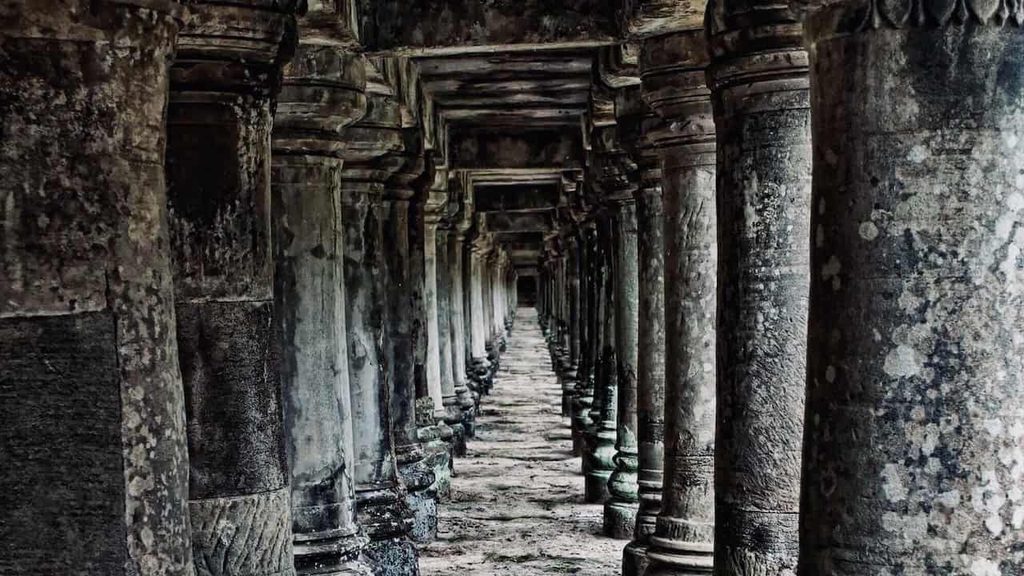
History and Architecture
1. Angkor Wat means “City of Temples.”
The name Angkor Wat is commonly translated as “City of Temples” or “Temple City.” The word “Angkor” comes from the Sanskrit word nagara, meaning city, while “Wat” means temple in Khmer.
2. Angkor Wat is the largest religious monument in the world.
Angkor Wat covers approximately 162.6 hectares, or 1,626,000 square meters. Its enormous scale makes it one of the most impressive religious monuments ever constructed.
This measurement refers to Angkor Wat itself, not the entire Angkor Archaeological Park.
3. Angkor Wat was built during the 12th century.
Construction began during the reign of King Suryavarman II, who ruled the Khmer Empire from 1113 to approximately 1150. The temple served as his state temple and was originally dedicated to the Hindu god Vishnu.
4. Building Angkor Wat required an enormous workforce.
Constructing Angkor Wat required considerable planning, engineering, and human labor. Some historical estimates suggest that approximately 300,000 workers contributed to the project.
However, exact figures about the workforce, elephants, construction materials, and completion time remain uncertain. The scale of the monument still demonstrates the extraordinary capabilities of the ancient Khmer civilization.
5. Sandstone was transported from distant quarries.
Sandstone played an important role in Angkor Wat’s construction. Builders transported large quantities of stone to create the temple’s galleries, towers, and detailed sculptures.
Research has identified quarries in the Phnom Kulen area as important sources of sandstone for Angkor’s monuments. These materials traveled considerable distances to reach the construction sites.
6. Ancient Khmer builders used different construction techniques.
Angkor’s temples demonstrate the advanced building techniques of the Khmer Empire. Builders worked with sandstone, laterite, and brick, depending on the structure and its purpose.
Their craftsmanship produced impressive galleries, towers, staircases, and decorative details that have survived for centuries. Avoid assuming that every Angkorian temple used the same bonding material or construction method.
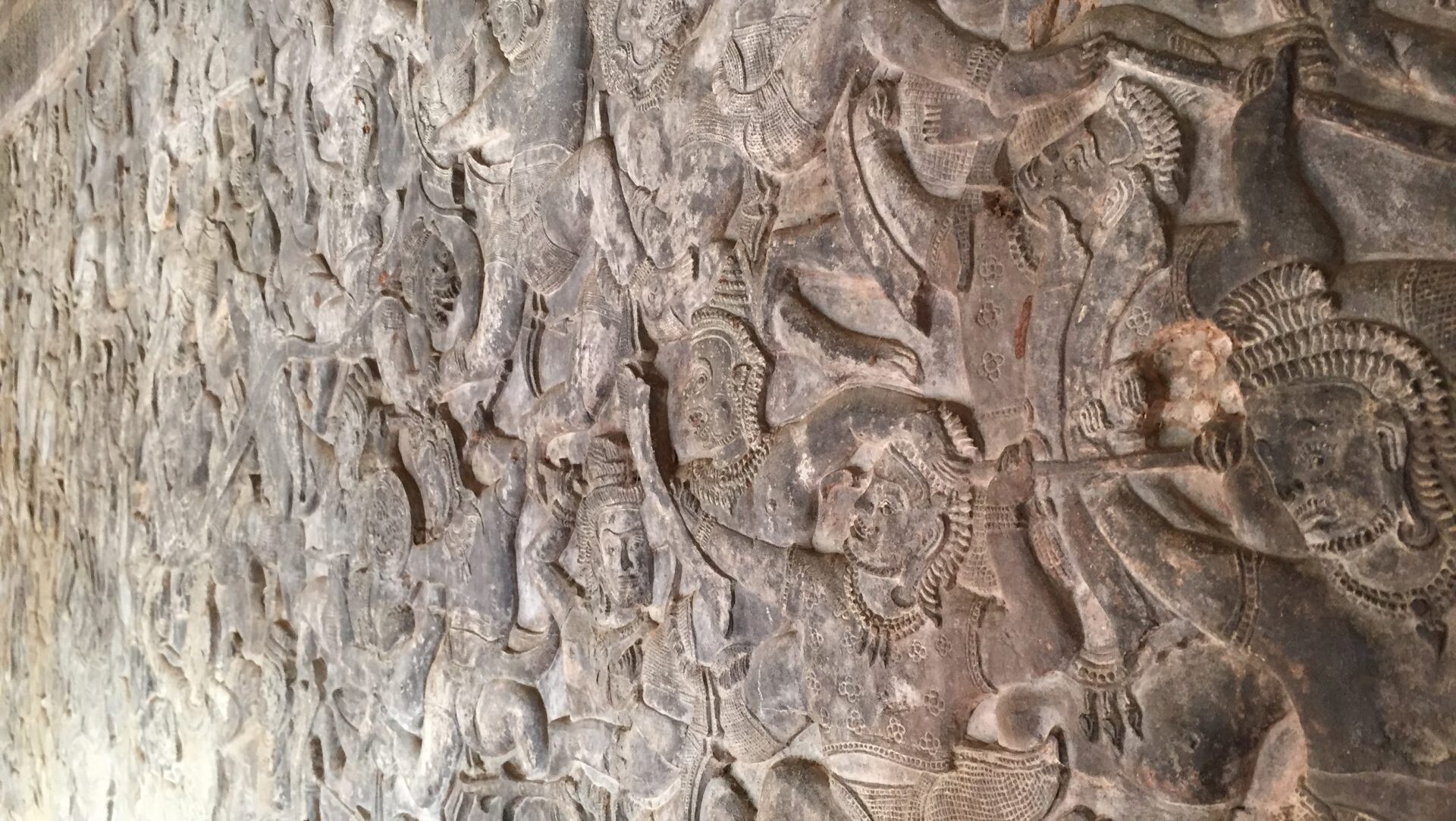
7. Angkor Wat features thousands of detailed carvings.
One of the most remarkable Angkor Wat facts concerns its extensive decorative artwork. The temple features thousands of intricate carvings, including celestial figures known as Apsaras and Devatas.
These sculptures decorate the temple walls and galleries. Their hairstyles, clothing, jewelry, and expressions reveal the artistic skills of ancient Khmer craftsmen.
8. Angkor Wat was surrounded by an enormous enclosure wall.
The temple’s outer enclosure forms a large rectangular boundary around its main structures. A wide moat and substantial stone walls help define the temple’s layout.
The enclosure measures approximately 1,025 meters by 800 meters. These impressive dimensions demonstrate the careful planning behind Angkor Wat’s design.
9. Angkor Wat has three elevated levels connected by galleries.
Angkor Wat is designed as a series of three ascending levels, each with its own galleries, staircases, and architectural features. As visitors move upward, the structure becomes increasingly elevated and leads toward the central sanctuary and its iconic towers.
This tiered design creates the temple’s impressive pyramid-like appearance. It also reflects the architectural concept of a sacred mountain, connecting the temple’s physical layout with its religious symbolism.

Religion and Symbolism
10. Angkor Wat gradually became a Buddhist temple.
Angkor Wat was originally a Hindu temple dedicated to Vishnu. However, Buddhist worship became increasingly important at the site toward the end of the 12th century and during the following centuries.
Today, Angkor Wat remains an active Buddhist religious site. Its long history reflects the development of religious traditions in Cambodia.
11. Angkor Wat faces west, unlike many other Khmer temples.
One unusual feature of Angkor Wat is its west-facing orientation. Many other Khmer temples face east, making this design particularly interesting to historians and archaeologists.
Some scholars associate the western orientation with death and funerary symbolism. Others offer different interpretations, so its exact meaning remains debated.
12. The temple’s bas-reliefs follow an unusual direction.
Many of Angkor Wat’s bas-reliefs are arranged in a counterclockwise sequence. This direction differs from the clockwise movement commonly associated with Hindu temple circumambulation.
Some researchers connect this unusual arrangement with funerary symbolism. However, the interpretation remains a subject of scholarly discussion.
13. Angkor Wat was dedicated to Vishnu rather than Shiva.
Unlike several earlier Khmer royal temples associated with Shiva, Angkor Wat was originally dedicated to Vishnu, one of the principal gods in Hinduism.
This dedication reflects King Suryavarman II’s religious preferences and distinguishes Angkor Wat from many other temples built during the Khmer Empire.
14. Angkor Wat represents Mount Meru in Hindu mythology.
The temple’s architectural layout reflects Mount Meru, the sacred mountain believed to be the center of the universe in Hindu and Buddhist cosmology.
Its central towers symbolize the mountain’s peaks, while the surrounding moat represents the cosmic ocean. This symbolic design connects the physical structure with ancient religious beliefs.
15. Angkor Wat is part of a living religious landscape.
Although Angkor Wat began as a Hindu temple, Buddhist traditions have shaped its religious life for centuries.
Monks, worshippers, and pilgrims continue to visit the site. This makes Angkor Wat more than an archaeological attraction, it remains a meaningful place of worship.
You should dress respectfully, avoid disturbing religious activities, and follow the temple’s visitor guidelines.
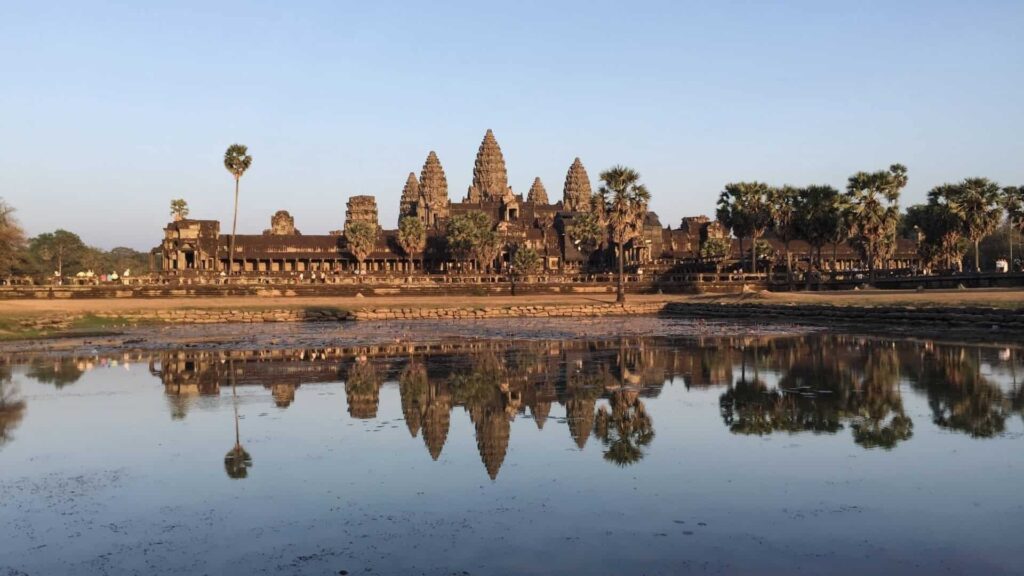
Stories and Cultural Connections
16. Angkor Wat attracted European visitors centuries ago.
European visitors recorded their experiences at Angkor Wat long before the site became internationally famous.
Portuguese friar António da Madalena visited Angkor in 1586. Later, French naturalist and explorer Henri Mouhot helped introduce the temples to a wider Western audience through his published travel accounts in the 19th century.
17. Chinese traveler Zhou Daguan documented life in Angkor.
Zhou Daguan was a Chinese envoy who visited the Khmer capital in 1296 and stayed for approximately a year. He recorded observations about local customs, architecture, clothing, religion, and everyday life. His account provides valuable historical insight into the Angkorian world during the late 13th century.
You can explore his historical observations in A Record of Cambodia: The Land and Its People, translated by Peter Harris.
18. Angkor Wat became famous through the movie Tomb Raider.
Angkor Wat and the surrounding temple complex became even more recognizable to international audiences after the filming of Tomb Raider, starring Angelina Jolie. The movie introduced Cambodia’s ancient temples to many viewers and inspired travelers to explore the locations featured on screen.
You can also explore the Tomb Raider movie connection.
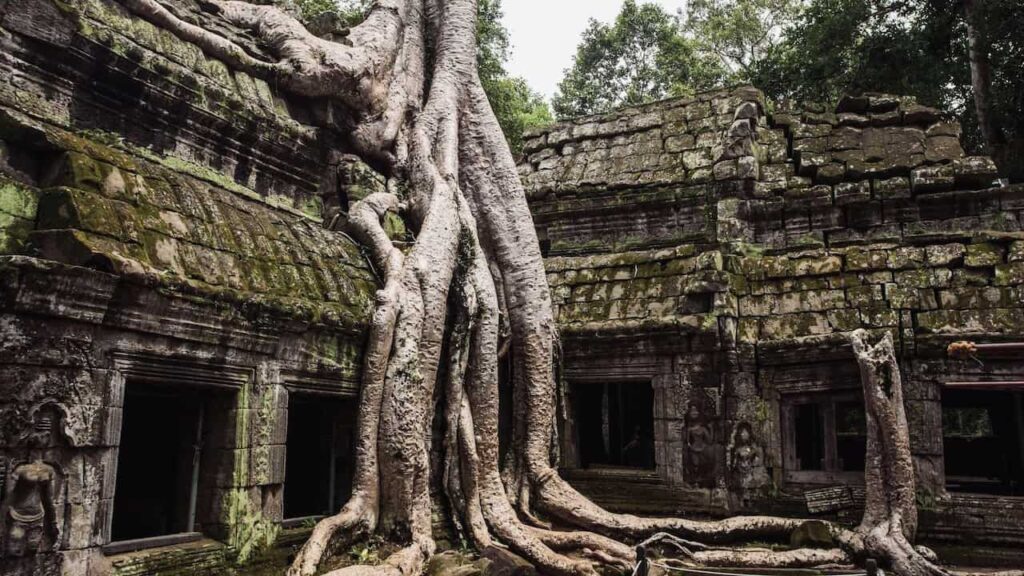
19. Ta Prohm became famous for its giant tree roots.
Ta Prohm is one of the most recognizable temples within the Angkor Archaeological Park. Unlike Angkor Wat, it is famous for enormous tree roots growing around its ancient stone structures.
The combination of vegetation and architecture creates a dramatic atmosphere. The temple also appeared in Tomb Raider, making it a favorite stop for movie fans. The trees and roots require careful conservation to protect both the vegetation and the historic structures.
20. Jacqueline Kennedy visited Angkor Wat in 1967.
In November 1967, former US First Lady Jacqueline Kennedy visited Angkor Wat during the Vietnam War. Her visit fulfilled a long-held personal wish to see Cambodia’s remarkable temple complex. It also attracted international attention to this important cultural landmark.
21. Angkor Wat is a national symbol of Cambodia.
Angkor Wat is one of the strongest symbols of Cambodian identity. Its distinctive silhouette appears on the Cambodian national flag.
The temple also features on Cambodian currency and represents the country’s rich architectural and cultural heritage.
22. UNESCO recognized Angkor as a World Heritage Site in 1992.
Angkor received UNESCO World Heritage status in 1992. The designation covers the wider archaeological property, including Angkor Wat, Angkor Thom, Ta Prohm, and many other important monuments.
The World Heritage property extends across approximately 400 square kilometers. It includes ancient temples, reservoirs, canals, and other structures that demonstrate the achievements of the Khmer civilization.
23. International cooperation supports Angkor’s conservation.
Angkor requires continuous conservation to protect its ancient structures from weather, vegetation, environmental pressures, and visitor impacts.
International organizations and conservation teams have worked with Cambodian authorities to restore and protect the archaeological site. These efforts help preserve the temples for future generations while supporting responsible tourism.
24. Angkor’s tourism management has changed over the years.
Angkor’s ticketing and tourism management arrangements have changed over time. Sokimex previously operated the ticketing concession, but Angkor Enterprise took over ticket sales in 2016.
Today, Angkor Enterprise manages official entrance ticket sales for the Angkor Archaeological Park. You should purchase valid passes through its official channels.
25. Angkor Wat is famous for its spectacular sunrise views.
Watching the sunrise behind Angkor Wat’s iconic towers is one of Cambodia’s most popular travel experiences.
Many visitors arrive before dawn to see the first sunlight illuminate the temple and reflect across the surrounding pools.
The experience attracts large crowds, especially during busy travel periods. Arrive early, respect other visitors, and follow the site’s access rules to enjoy the atmosphere.
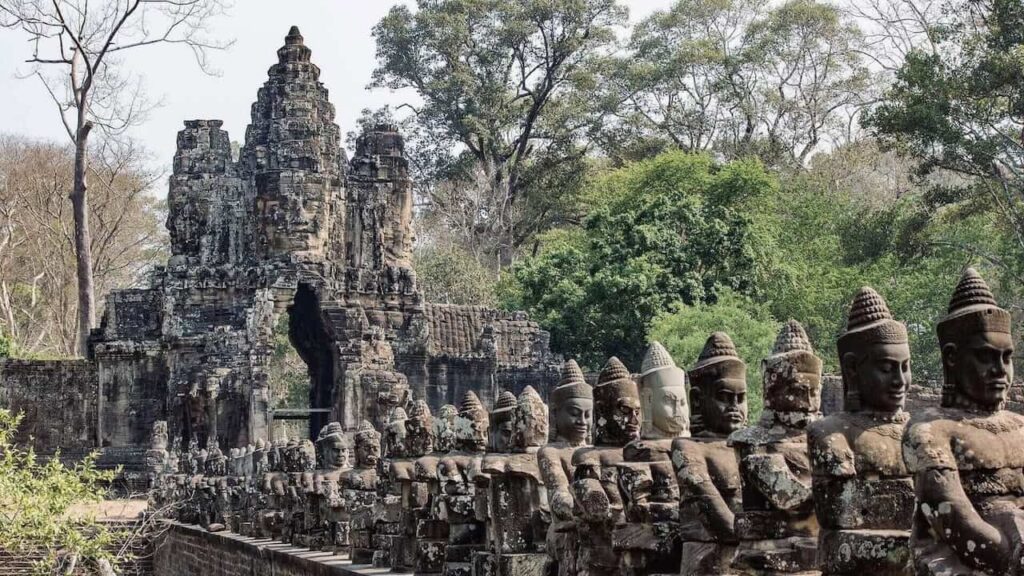
Oh Wait, There Are 5 More Interesting Angkor Wat Facts
26. Millions of visitors have explored Angkor over the years.
Angkor remains one of Cambodia’s most important tourist attractions. Travelers visit the archaeological park to discover its ancient temples, impressive sculptures, and historical landscapes.
Visitor numbers change from year to year. Therefore, avoid treating older estimates of more than two million annual visitors as a current figure.
27. Angkor Wat offers three main entrance ticket options.
Planning a visit to Angkor Wat? The official Angkor Pass offers three options for international visitors:
- 1-day pass: US$37
- 3-day pass: US$62
- 7-day pass: US$72
The three-day pass is valid for three visit days within seven days. The seven-day pass allows seven visit days within 30 days.
You can purchase tickets through Angkor Enterprise’s official website.
Always check the official website before your visit for updated prices, validity, and entry requirements.
28. Angkor Wat has undergone extensive restoration and conservation.
Angkor Wat has experienced centuries of weathering, human activity, and environmental changes. Conservation teams continue to study and restore parts of the temple complex.
Some sections have undergone restoration, while others retain visible signs of age. These differences reflect the ongoing challenge of protecting such an enormous historical monument.
The preservation work helps visitors appreciate both the original craftsmanship and the efforts required to maintain the site.
29. Angkor Wat is only one part of a much larger archaeological park.
Many travelers think Angkor Wat represents the entire Angkor Archaeological Park. However, it is only one of more than a thousand temples and archaeological structures within the wider region.
The park also includes famous sites such as Bayon, Ta Prohm, Preah Khan, and Banteay Srei.
Each monument offers a different perspective on the Khmer Empire’s history, architecture, and religious traditions. Therefore, consider spending more than one day exploring the area.
30. Angkor Wat features impressive galleries of bas-reliefs.
The temple’s extensive bas-reliefs are among its most remarkable artistic features. These detailed carvings depict scenes from Hindu mythology, historical events, and the beliefs of the Khmer Empire.
One famous gallery illustrates the Churning of the Ocean of Milk, a story from Hindu mythology involving gods and demons seeking the nectar of immortality.
Take time to study these carvings during your visit. They reveal stories that you might otherwise overlook while exploring the temple’s enormous architecture.
FAQs about Angkor Wat Facts
Is Angkor One of the Seven Wonders of the World?
Angkor Wat is not officially included in the New Seven Wonders of the World list announced in 2007. However, it is a UNESCO World Heritage Site as part of the wider Angkor archaeological property, recognized in 1992. Its historical, cultural, and architectural importance makes it one of the world’s most remarkable ancient landmarks.
Why Is Angkor Wat a Mystery?
Angkor Wat fascinates people because of its enormous scale, sophisticated construction, intricate symbolism, and the many questions surrounding its original design and purpose. Some interpretations of its west-facing orientation and bas-relief arrangements remain debated among scholars. Although its history is well documented in many respects, ongoing archaeological research continues to reveal more about the ancient Khmer civilization.
Which Movie Was Filmed at Angkor Wat?
Lara Croft: Tomb Raider (2001), starring Angelina Jolie, was filmed at several locations in Cambodia’s Angkor Archaeological Park. The famous tree-root temple scenes were filmed at Ta Prohm, not Angkor Wat’s main temple.
Which Is Older, Angkor Wat or the Pyramids?
The Egyptian pyramids are much older than Angkor Wat. The Great Pyramid of Giza was built around 2589–2566 BC, approximately 4,500 years ago, while Angkor Wat was constructed during the first half of the 12th century, around 900 years ago. This means the Great Pyramid predates Angkor Wat by roughly 3,700 years. Both are extraordinary examples of ancient engineering and architecture.
Is Angkor Wat Really Worth It?
Yes, Angkor Wat is worth visiting, especially if you enjoy history, architecture, and cultural experiences. Its impressive temple towers, detailed stone carvings, peaceful galleries, and spectacular sunrise views make it a memorable destination. However, expect early mornings, large crowds, hot weather, and plenty of walking. Consider allowing at least one full day to explore Angkor Wat and more time if you want to discover the surrounding temples in the Angkor Archaeological Park.
Discover Angkor Wat for Yourself
Angkor Wat is more than an ancient temple. It is a remarkable reflection of Cambodia’s history, religious traditions, and architectural achievements.
From its impressive sandstone structures and detailed carvings to its connection with Hinduism and Buddhism, every part of the complex tells a story. The surrounding Angkor Archaeological Park offers even more opportunities to explore the legacy of the Khmer Empire.
Whether you’re watching the sunrise, walking through ancient galleries, or discovering the temples featured in Tomb Raider, Angkor Wat offers an unforgettable travel experience.
I hope the Angkor Wat facts inspire you for to visit this landmark. If you’re truly planning a trip to Cambodia, make sure to include this extraordinary landmark in your itinerary. And don’t forget to explore our Siem Reap travel guide for more inspiration before your adventure!
Craving more wanderlust? The Broad Life unveils epic travel books to fuel your next adventure. These aren’t just guides—they’re tales of authors exploring new worlds, uncovering hidden gems, and soaking up wild cultures. Dive into the best travel reads now!
> READ MORE: THE BEST TRAVEL BOOKS OF ALL TIME
‘PIN’ THE ANGKOR WAT FACTS NOW FOR YOUR INTERESTING TRIP!
READ MORE RELATED CAMBODIA POSTS
I hope you like this post and find it well informed. Here are other interesting posts about Cambodia that I believe you would love reading too:

Khoi Nguyen
Khoi Nguyen builds The Broad Life with a desire to inspire people go exploring the world and live a more interesting, experience, and adventurous life. This blog shares the stories, pictures, and experiences at destinations where he has traveled to.
26 Comments
-
-
Khoi Nguyen
Yeah Angkor Wat is truly an amazing place in the world. You should visit this place ASAP, it gonna be on maintenance soon and do not allow tourists to visit
-
-
Stacie
I would love to see Angkor Wat one day! That architecture is amazing, and I always enjoy seeing ancient structures and learning about them.
-
Khoi Nguyen
Yeah you should put it on top of your bucket list. I’m sure you will regret by missed visiting it once in your life
-
-
Simply healthy vegan
I was just talking about going here today! Its hight up on my bucket list of places to visit. glad i know a little more about the place now.
-
Khoi Nguyen
Hope that you will enjoy traveling there more with new knowledge you just knew 😉
-
-
couponmamacita
What amazing architecture .Reading about ancient structures has always been a passion.
-
Khoi Nguyen
Have you visited the place?
-
-
Matt Taylor
I have heard about it Angkor Wat but never knew this much about it. So interesting and makes me want to visit there even more!! 🙂
-
Khoi Nguyen
I’m sure you will pretty much love the place when going there
-
-
katrina Kroeplin
oh wow, i def learned something. this needs to be on my bucket list for sure. it looks beautiful.
-
Khoi Nguyen
It’s more than beautiful, it’s wonderful!
-
-
kidneyfornikki
Wow! This is an amazing-looking place. I didn’t know any of this information but now that I do, I think I would definitely try to visit one day!
-
Khoi Nguyen
Yas you should 🙂
-
-
kidneyfornikki
This is an amazing-looking place. I didn’t know any of this before but now that I do, I might have to try to visit one day!
-
Khoi Nguyen
You definitely should take a visit at the place ASAP, before it’s under maintenance
-
-
Ave Hla
Happy Independence Day to Cambodia! I hope I can visit the country one day and also wonder around Angkor Wat. I had no idea it was the largest religious monument in the world.
-
Khoi Nguyen
Haha
Yeah it is the largest religious monument in the world, and you will be amazed at your first sight!
-
-
TheSuperMomLife
I have never heard of Angkor Wat before. I appreciate the opportunity to learn more about it!
-
Khoi Nguyen
It’s one of the must visited destination in the world. You should travel there, I’m sure you will be amazed!
-
-
Rose A (@mail4rosey)
There was a time when I wanted to visit. My son was too small and we were worried it might be too hot/hard of a trip for him at that time. Now things are different and we haven’t traveled regularly in awhile. Maybe someday.
-
Khoi Nguyen
yeah the weather on Cambodia could be kinda hot and dry for a kid. I’m so sorry about that.
I believe your boy will love the place a lots if he has a chance to visit. The story and history of Angkor Wat interest anyone 🙂
-
-
DESIREE
Wow, what a historic temple! I love all of the time and thought put into sharing these 25 facts. It gives me a deeper understanding and respect for what the temple means and stands for. And happy independence day, Cambodia!
-
Khoi Nguyen
Have the facts promoted you to visit the temple in real?
-
-
Ed Gagnon
Great article, excellent images!
-
Khoi Nguyen
Thanks a lot for your comment!
-


Kelly Martin
This was really interesting. Angkor Wat would be an amazing place to visit. I haven’t been to Cambodia yet.