
15 Most Spiritual Destinations in the World to Visit
The world is full of amazing places that inspire awe, wonder, and curiosity. Some of these places are also considered spiritual destinations in the world, where people go to connect with something greater than themselves, whether it is a divine power, a natural force, or a cultural heritage.
Spiritual destinations are not just about religion, but also about history, culture, art, and nature. They offer opportunities for learning, reflection, healing, and transformation. In this article, we will explore some of the most spiritual destinations in the world and what makes them so special and meaningful.
From famous pilgrimage destinations and sacred mountains to ancient temples and culturally significant landscapes, these places offer unique experiences for spiritual travel, cultural exploration, and personal reflection.
15 Spiritual Destinations in the World at a Glance
Here is a quick look at the spiritual places featured in this guide, from famous pilgrimage destinations to ancient sacred landscapes.
| Destination | Country/Region | Tradition or Heritage | Best For |
|---|---|---|---|
| Jerusalem | Israel/Palestine | Judaism, Christianity, Islam | Sacred history |
| Mecca | Saudi Arabia | Islam | Hajj pilgrimage |
| Vatican City | Vatican City | Christianity | Catholic heritage |
| Lourdes | France | Christianity | Marian pilgrimage |
| Bethlehem | Palestine | Christianity | Biblical history |
| Mount Sinai | Egypt | Abrahamic traditions | Sacred landscapes |
| Mashhad | Iran | Shia Islam | Islamic pilgrimage |
| Varanasi | India | Hinduism | Pilgrimage and sacred river |
| Mount Kailash | Tibet | Hinduism, Buddhism, Jainism, Bon | Sacred mountain |
| Borobudur | Indonesia | Buddhism | Buddhist heritage |
| Paro Taktsang | Bhutan | Buddhism | Himalayan spirituality |
| Machu Picchu | Peru | Inca heritage | Ancient civilization |
| Stonehenge | England | Prehistoric traditions | Ancient mysteries |
| Uluru | Australia | Anangu traditions | Indigenous culture |
| Sedona | USA | Alternative spirituality | Nature and reflection |
Spiritual Destinations Connected to Abrahamic Traditions
These are spiritual destinations in the world associated with Judaism, Christianity, or Islam. Each has its own history, traditions, pilgrimage practices, and cultural significance.
Jerusalem, Israel/Palestine
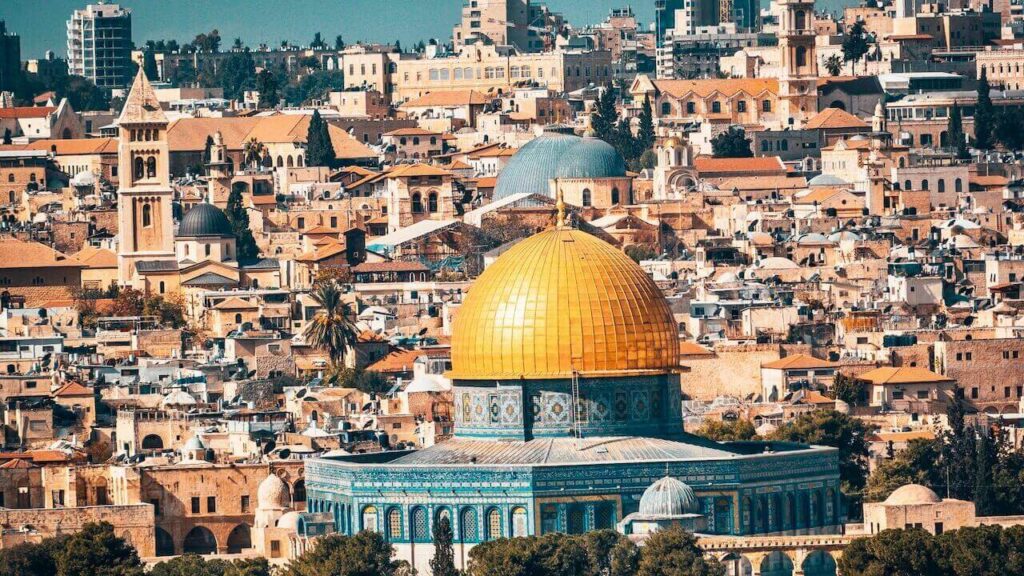
The city of Jerusalem is one of the world’s most important spiritual destinations, sacred to Judaism, Christianity, and Islam. Its Old City and Walls contain 220 historic monuments, including the Western Wall, the Church of the Holy Sepulchre, and the Dome of the Rock. UNESCO recognizes Jerusalem as a holy city of major symbolic importance to all three religions.
For Christians, Jerusalem is closely associated with the final days, crucifixion, and resurrection of Jesus. For Jews, the city is central to Jewish history and worship, while Muslims recognize it as an important sacred city.
Walking through Jerusalem can feel like traveling through layers of history, with ancient stone streets, religious traditions, markets, and archaeological sites sharing a remarkably compact historic landscape.
- Did you know? The Dome of the Rock was built in the 7th century, making it one of the Old City’s most recognizable historic landmarks.
- Best for: Sacred history, pilgrimage, architecture, and cultural travel.
Mecca, Saudi Arabia
Nestled in a desert valley in western Saudi Arabia, Mecca is one of the world’s most important pilgrimage destinations.
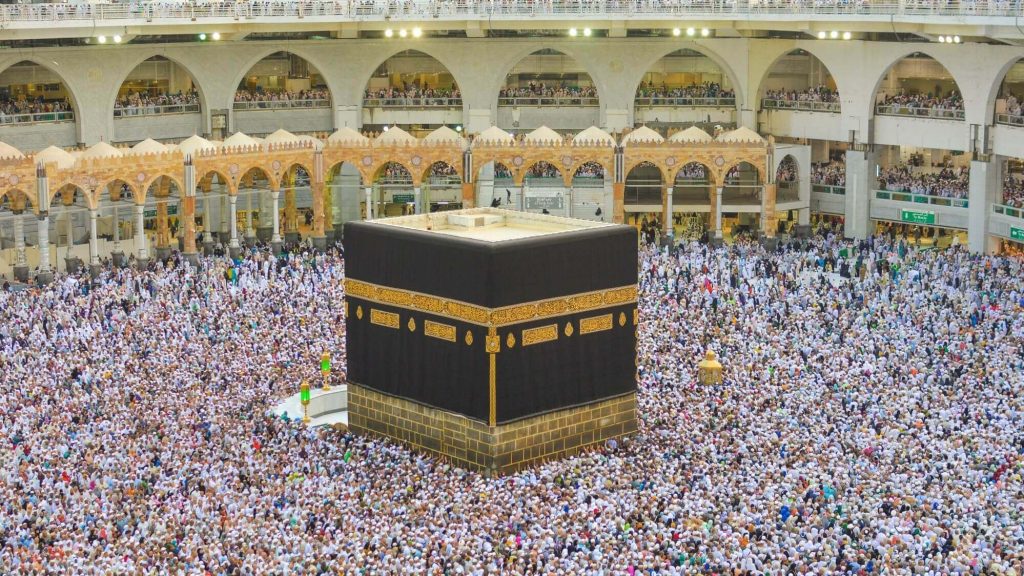
The pilgrimage to Mecca, the Hajj, is the fifth of the fundamental practices of Islam, known as the Five Pillars. It brings Muslims from around the world together in a major act of worship, regardless of their nationality or language.
At the center of the pilgrimage is the Kaaba, the cube-shaped structure within Masjid al-Haram. Muslims around the world face the Kaaba during prayer, while pilgrims perform the Tawaf by circling it during Hajj and Umrah.
Every year, millions of Muslims travel to Mecca for pilgrimage, making it one of the most significant religious travel destinations in the world.
- Did you know? Hajj takes place during a specific period of the Islamic lunar calendar, while Umrah can be performed at other times of the year.
- Best for: Islamic pilgrimage and religious heritage.
- Travel note: Mecca has strict access rules, and non-Muslims are not permitted to enter the city.
Read more: 8 Smart Budget Tips for Hajj
Vatican City, Italy
For many Christians, visiting the Vatican is one of the must-dos in life. Vatican City is one of the smallest countries in the world, covering only 44 hectares (0.44 km²) in the heart of Rome.
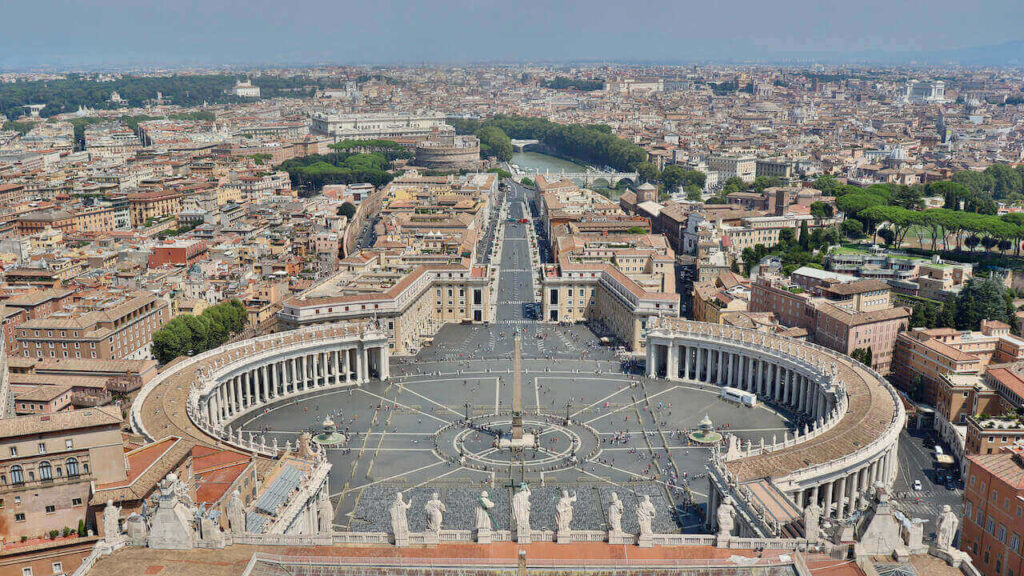
At its center is St. Peter’s Basilica, traditionally associated with the tomb of the Apostle Saint Peter. The Vatican’s other famous landmarks include the Sistine Chapel and the Vatican Museums, making it an extraordinary destination for religious art, Renaissance architecture, and cultural heritage.
The Vatican has a history of about 2,000 years as a major Christian center, while the present independent city-state was established by the Lateran Treaty in 1929.
- Did you know? Vatican City is only 0.44 km², yet it contains one of the world’s most important collections of Christian art and architecture.
For more about the surrounding Italian capital, check out our guide to the best things to do in Rome. - Best for: Catholic heritage, religious art, architecture, and history.
Lourdes, France
Lourdes, France, is a spiritual destination associated with Christianity, specifically Roman Catholicism. It became a major pilgrimage destination following the reported apparitions of the Virgin Mary to Bernadette Soubirous in 1858 at the Grotto of Massabielle.
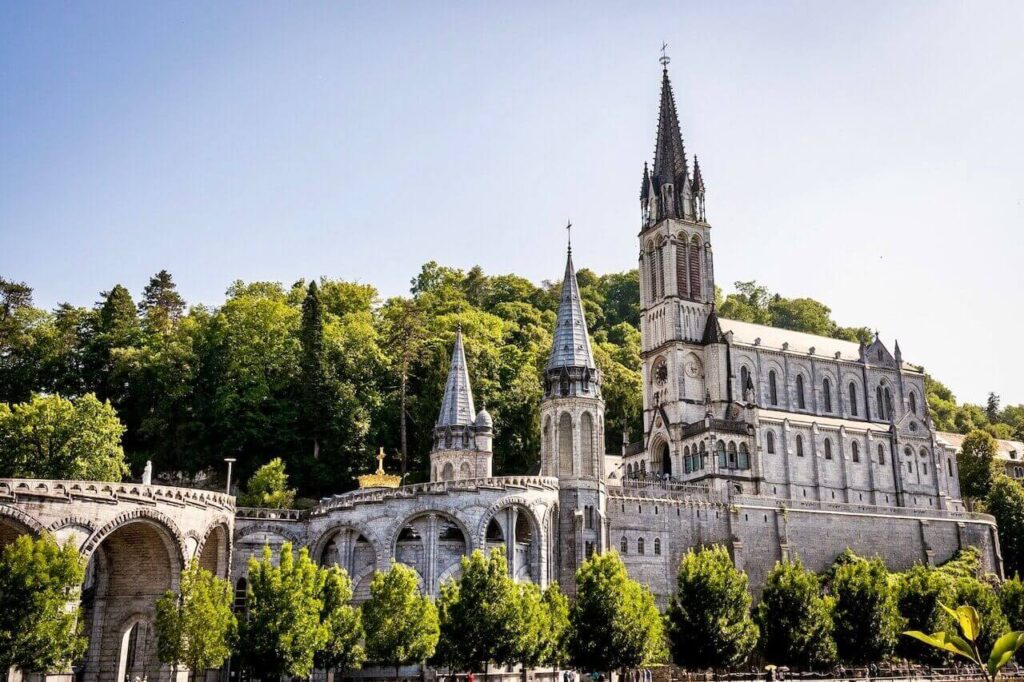
The Sanctuary of Our Lady of Lourdes includes several important religious buildings and monuments, including the Basilica of Our Lady of the Rosary and the Basilica of St. Pius X.
Pilgrims visit Lourdes to pray, attend Mass, join processions, visit the Grotto, and participate in traditions associated with its spring. The destination remains particularly important for people seeking a pilgrimage experience connected with faith and healing.
- Did you know? Lourdes’ modern pilgrimage history began in 1858, when Bernadette reported the apparitions that made the town internationally known.
- Best for: Christian pilgrimage, reflection, and religious heritage.
Bethlehem, Palestine
Bethlehem is one of Christianity’s most important pilgrimage destinations, located 10 km south of Jerusalem. Christian tradition identifies the city as the birthplace of Jesus, and the Church of the Nativity stands over the grotto traditionally associated with his birth.
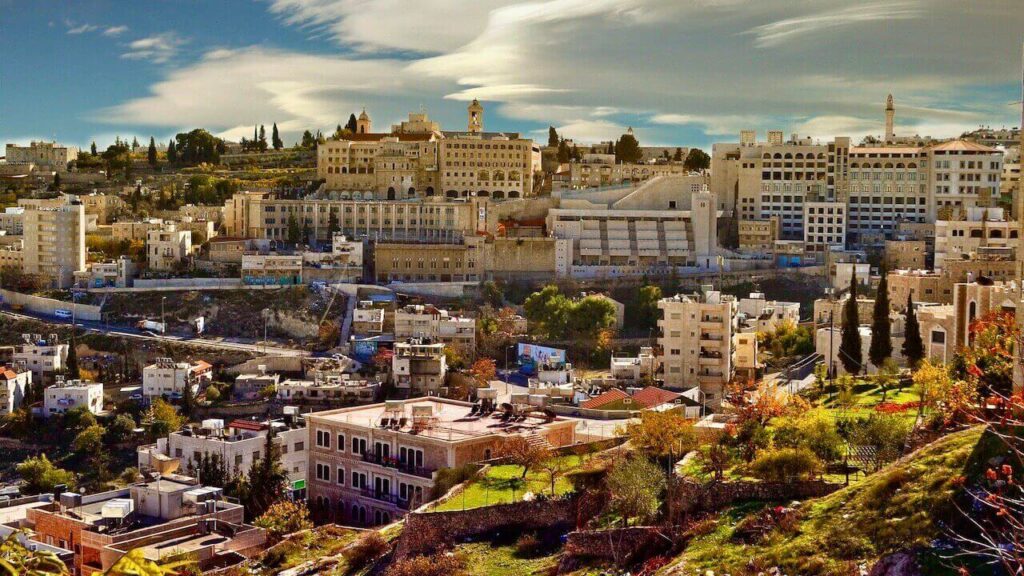
A church was first completed at the site in AD 339, while the present Church of the Nativity is essentially from the mid-6th century, with later alterations. UNESCO describes Bethlehem and its pilgrimage route as a place of religious significance for around 1,700 years.
Beyond its religious importance, Bethlehem is also a cultural center where travelers can experience Palestinian food, crafts, markets, and local heritage.
- Did you know? The Church of the Nativity is considered the oldest Christian church in daily use, with parts of the earlier 4th-century structure surviving beneath the present building.
- Best for: Biblical history, Christian heritage, pilgrimage, and cultural travel.
Mount Sinai, Egypt
Mount Sinai is a popular destination with pilgrims from different religious traditions. In the biblical tradition, it is associated with Moses receiving the Tablets of the Law.
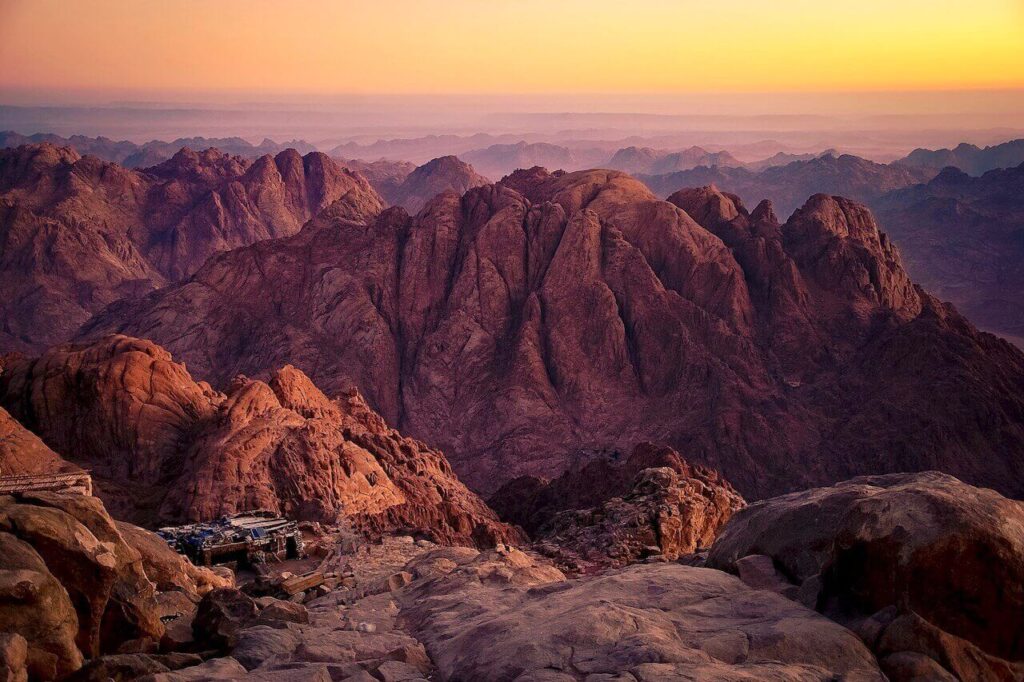
At the foot of the mountain stands Saint Catherine’s Monastery, founded in the 6th century. UNESCO describes it as the oldest Christian monastery retaining its original function without interruption since its foundation. The wider Saint Catherine Area is sacred to Christianity, Islam, and Judaism.
The monastery also houses important religious manuscripts and icons, while the surrounding desert mountains create a dramatic setting for hiking and reflection.
- Did you know? Saint Catherine’s Monastery has maintained its original monastic function continuously since the 6th century.
- Best for: Sacred history, pilgrimage, hiking, and desert landscapes.
Mashhad, Iran
Mashhad is a major pilgrimage city in northeastern Iran and the home of the Imam Reza Shrine, one of the most important sacred sites in Shia Islam.
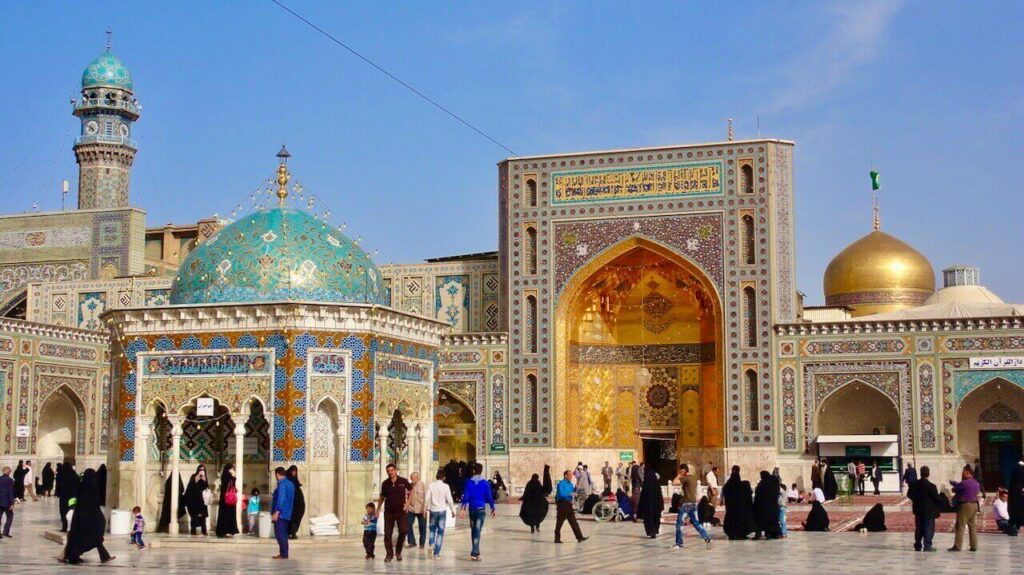
The shrine complex has developed over centuries and expanded substantially in modern times. According to Mashhad’s official tourism information, the Haram covers about 70 hectares and receives around 20 million pilgrims annually. The complex includes courtyards, arcades, museums, libraries, seminaries, and the shrine itself.
Beyond the shrine, Mashhad offers museums, traditional markets, Persian architecture, and cultural attractions.
- Did you know? The shrine complex includes 26 arcades and nine open-air courtyards, illustrating how extensive this pilgrimage center has become.
- Best for: Shia Islamic heritage, pilgrimage, Persian culture, and architecture.
Spiritual Destinations Connected to Dharmic Traditions
These are spiritual destinations in the world connected with Dharmic traditions that developed primarily in South Asia. Hinduism, Buddhism, Jainism, and Sikhism have distinct beliefs and practices, although concepts such as karma and rebirth appear in several of these traditions.
The destinations below highlight important sacred landscapes, pilgrimage sites, temples, and Buddhist heritage.
Varanasi, India
Varanasi, in Uttar Pradesh, is famous as one of Hinduism’s most important pilgrimage cities and has developed along the sacred Ganges River.
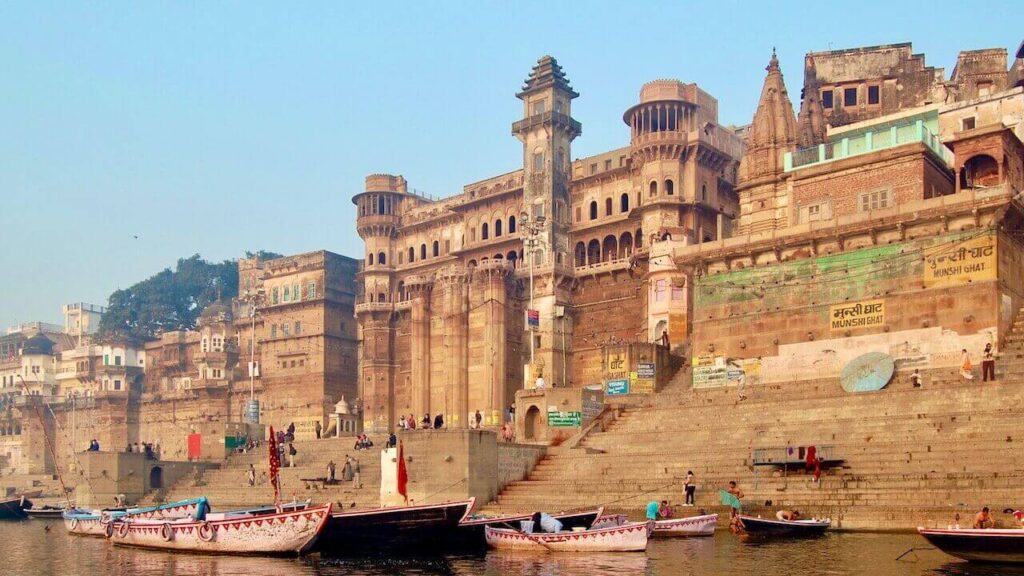
The city’s famous ghats are riverfront steps where pilgrims gather for bathing, prayer, ceremonies, and other religious practices. According to the Varanasi district administration, the city has 88 ghats. Most are used for bathing and puja ceremonies, while two are used exclusively as cremation sites.
A morning boat ride along the Ganges offers a memorable way to experience the city’s temples, ghats, prayers, and daily life.
- Did you know? Varanasi has 88 ghats, and most were rebuilt after 1700, when the city was under Maratha influence.
- Best for: Hindu pilgrimage, sacred rivers, temples, and cultural travel.
Mount Kailash, Tibet
Four religious traditions, Hinduism, Buddhism, Jainism, and Bon, revere Mount Kailash as a sacred mountain. Rising to approximately 6,638 meters, it is one of the most spiritually significant mountains in the Himalayas.
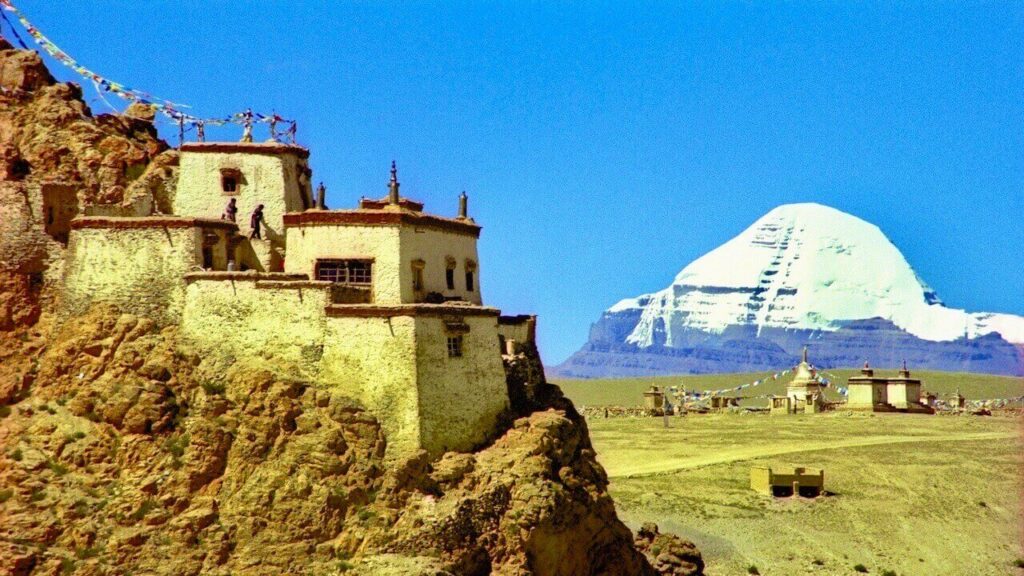
Rather than climbing the summit, pilgrims traditionally walk around the mountain on a sacred pilgrimage circuit known as a kora or circumambulation.
Mount Kailash is surrounded by dramatic Himalayan landscapes, including Lake Manasarovar, which is also considered sacred in several traditions. The remote setting makes the journey physically demanding, but for pilgrims and travelers interested in sacred landscapes, Mount Kailash represents a powerful combination of nature, faith, and endurance.
- Did you know? Unlike many famous mountains, Mount Kailash is traditionally approached through circumambulation rather than summit climbing.
- Best for: Sacred mountains, pilgrimage, Himalayan landscapes, and spiritual reflection.
Read more: Spiritual Journeys: Visiting Sacred Places in Nepal from Gorakhpur
Borobudur, Indonesia
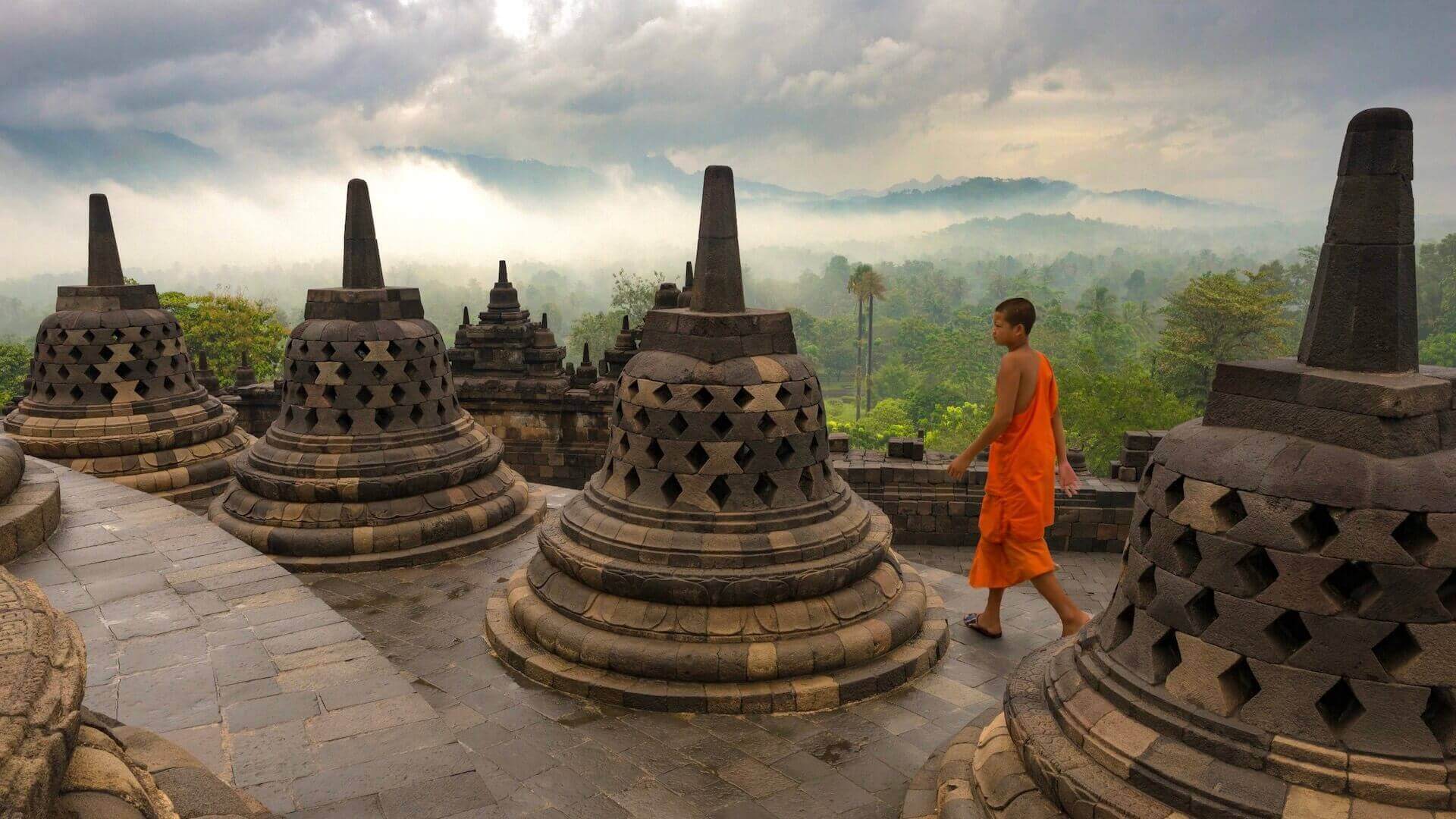
Dating from the 8th and 9th centuries, Borobudur was built as a monumental Buddhist temple in Central Java.
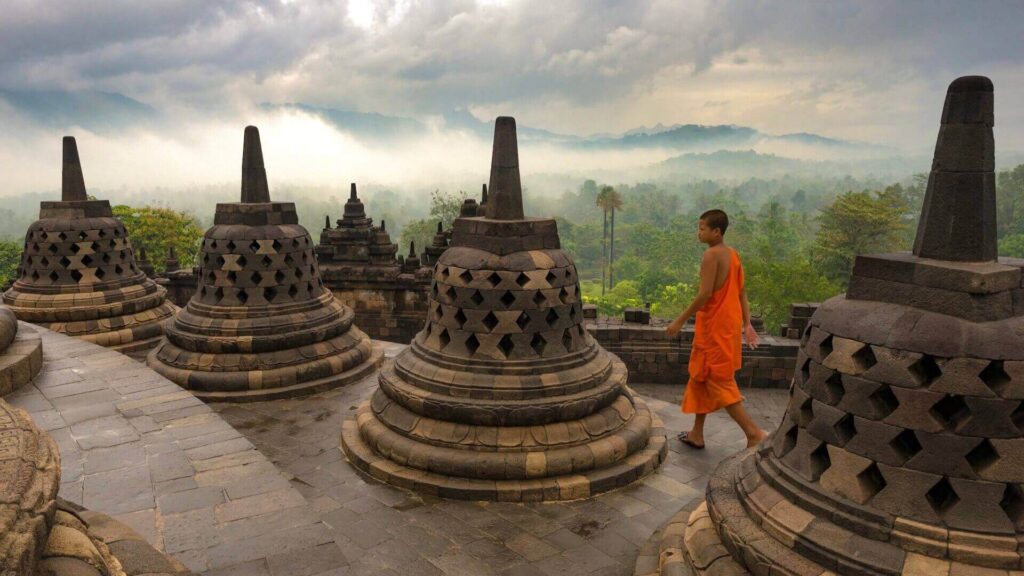
The structure consists of three main levels, including five concentric square terraces, three circular platforms, and a monumental stupa at the top. Around the circular platforms are 72 openwork stupas, each containing a Buddha statue. UNESCO describes Borobudur as one of the greatest Buddhist monuments in the world.
The walls and balustrades are decorated with low reliefs covering about 2,520 m², telling stories connected with Buddhist teachings and the monument’s cosmological design.
- Did you know? Borobudur has 72 openwork stupas, each containing a Buddha statue.
- Best for: Buddhist heritage, ancient architecture, cultural travel, and reflection.
Paro Taktsang, Bhutan
Bhutan is a Buddhist country with many important religious and cultural landmarks. One of its most famous is Paro Taktsang, also known as Tiger’s Nest Monastery.
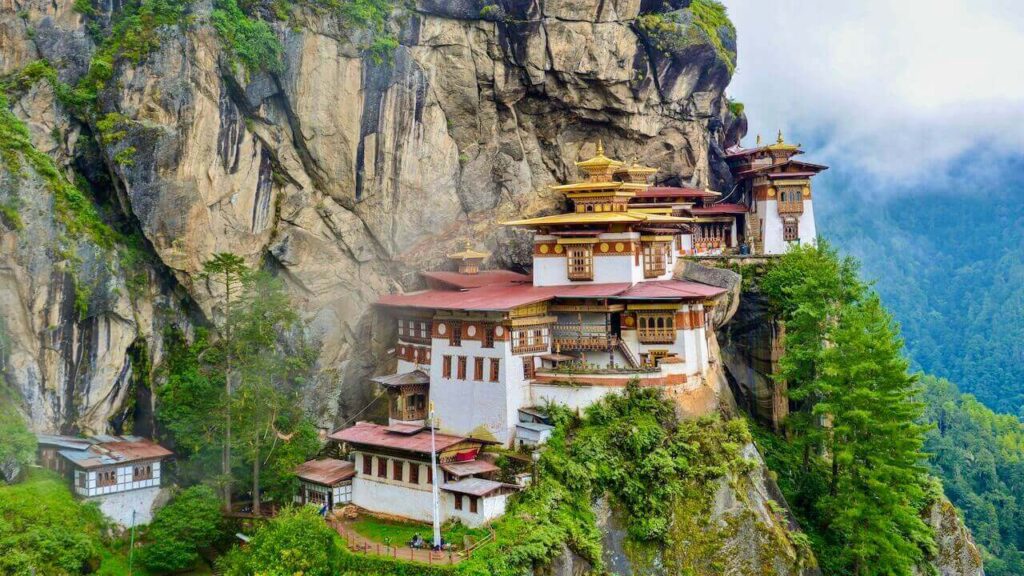
The monastery is dramatically perched on a cliff overlooking the Paro Valley. According to Bhutanese Buddhist tradition, Guru Padmasambhava, also known as Guru Rinpoche, traveled to the site on the back of a tigress and meditated there.
The monastery is closely associated with Vajrayana Buddhism, and reaching it requires a challenging mountain hike. The journey through the forest and cliffs is part of what makes visiting Tiger’s Nest such a memorable experience.
- Did you know? The monastery sits at roughly 3,120 meters above sea level, making the hike both a cultural and mountain experience.
- Best for: Buddhist heritage, hiking, Himalayan scenery, and spiritual travel.
Sacred Places Rooted in Indigenous and Alternative Traditions
Not every spiritual destination is associated with one of the world’s major religions. Some sacred places are connected with Indigenous traditions, ancient cultures, prehistoric rituals, or modern spiritual practices.
These destinations show how people have found meaning in mountains, landscapes, celestial cycles, and the natural world for thousands of years.
Machu Picchu, Peru
Machu Picchu is a stunning Inca citadel perched in the Andes, surrounded by dramatic mountain landscapes. It stands at approximately 2,430 meters above sea level, while the wider Historic Sanctuary covers 32,592 hectares of mountain slopes, peaks, valleys, and forests.
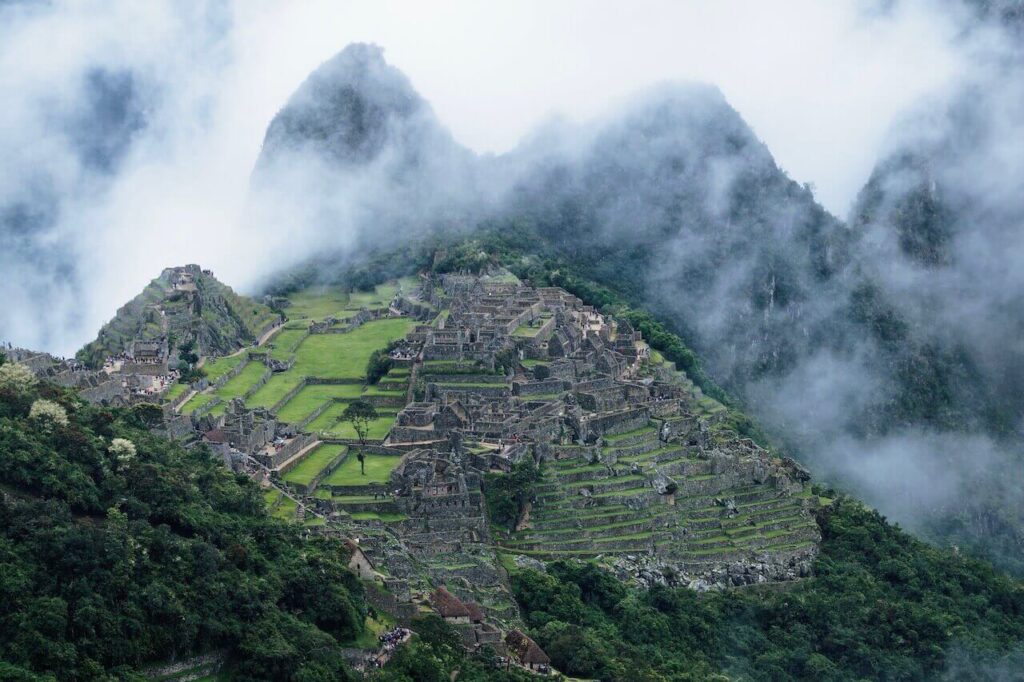
Built during the height of the Inca Empire, Machu Picchu is understood to have had religious, ceremonial, astronomical, and agricultural functions. Its sophisticated stone structures blend remarkably with the surrounding natural environment.
Today, Machu Picchu is a UNESCO World Heritage Site and one of Peru’s most famous attractions. Many travelers visit to understand the ancient Inca relationship with nature, astronomy, architecture, and ritual.
- Did you know? The famous citadel is only part of a much larger 32,592-hectare protected landscape.
- Best for: Inca heritage, ancient civilizations, mountain scenery, and cultural travel.
Stonehenge, England
Stonehenge is a mysterious prehistoric monument that lies at the heart of one of the richest archaeological landscapes in Europe.
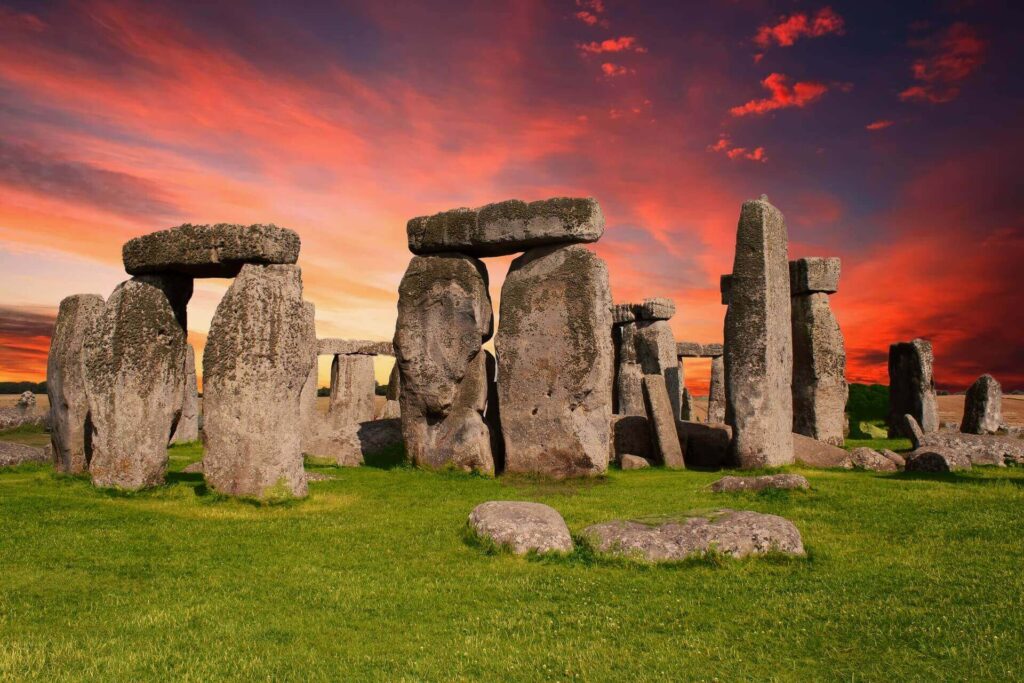
The wider Stonehenge, Avebury and Associated Sites World Heritage property demonstrates around 2,000 years of monument building and use between approximately 3700 and 1600 BC. UNESCO identifies the landscape with Neolithic and Bronze Age ceremonial and mortuary practices.
The monument also has an important astronomical dimension. Some of its stones and surrounding features align with significant solar positions, while the purpose of many individual elements remains the subject of archaeological research.
Today, Stonehenge attracts travelers interested in archaeology, ancient history, astronomy, and prehistoric spirituality.
- Did you know? Some of Stonehenge’s largest stones weigh more than 40 tonnes, and certain stones were transported from as far as 240 km away, according to UNESCO.
- Best for: Ancient history, archaeology, astronomy, and prehistoric mysteries.
Uluru, Australia
Uluru is a massive sandstone monolith rising dramatically from the desert landscape of central Australia. It rises 348 meters above the surrounding plain and has a circumference of 9.4 km. The sandstone is approximately 500 million years old.
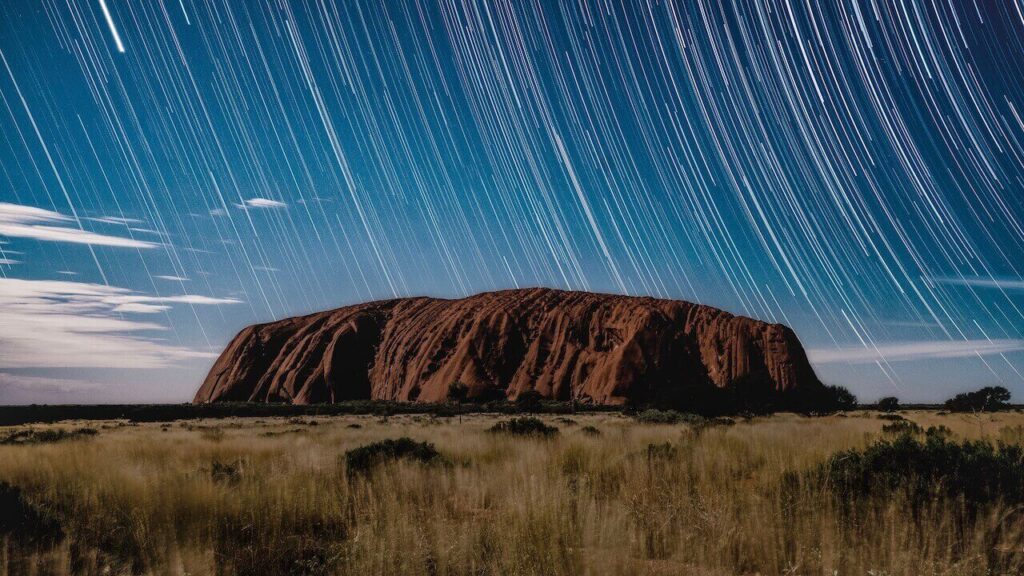
For Aṉangu people, Uluru is inseparable from Tjukurpa, or traditional law. The actions and stories of creation ancestors remain connected to the landscape and are passed from generation to generation. Uluru also contains important spiritual sites, caves, and rock art.
Rather than viewing Uluru simply as a spectacular natural landmark, travelers can learn about it as a living cultural landscape.
- Did you know? Walking around Uluru’s base covers 9.4 km, revealing how much larger the monolith feels beyond the famous viewpoints.
- Best for: Indigenous culture, sacred landscapes, nature, and cultural learning.
Sedona, Arizona, USA
Sedona is a scenic town in Arizona famous for its red-rock formations and modern spiritual tourism scene.
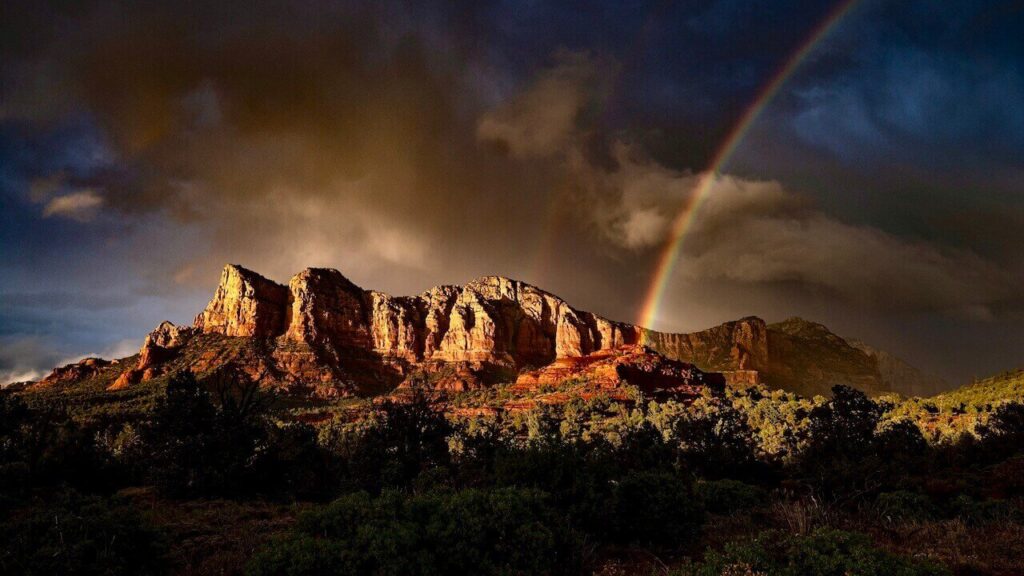
The area is particularly associated with four commonly recognized vortex locations: Bell Rock, Cathedral Rock, Airport Mesa, and Boynton Canyon. Vortexes are part of Sedona’s alternative spiritual culture, with visitors seeking meditation, reflection, wellness, and what they believe to be powerful natural energy.
Sedona is also a place of art and culture, with galleries, museums, festivals, hiking trails, and spectacular red-rock scenery.
- Did you know? Sedona’s modern spiritual tourism is strongly associated with four major vortex sites, making it a popular destination for alternative spirituality and wellness travel.
- Best for: Spiritual retreats, meditation, hiking, wellness, and nature.
Which Spiritual Destination Is Right for You?
The best spiritual destination depends on what you hope to experience. Some places are primarily pilgrimage destinations, while others combine spirituality with nature, ancient history, architecture, and cultural heritage.
| If You Want… | Consider… |
|---|---|
| A major Islamic pilgrimage | Mecca |
| Christian pilgrimage | Vatican City or Lourdes |
| Multi-faith sacred history | Jerusalem |
| Biblical history | Bethlehem or Mount Sinai |
| Hindu pilgrimage | Varanasi |
| A sacred mountain | Mount Kailash |
| Buddhist heritage | Borobudur or Paro Taktsang |
| Ancient civilization | Machu Picchu |
| Prehistoric mysteries | Stonehenge |
| Indigenous cultural heritage | Uluru |
| Nature and spiritual reflection | Sedona |
This variety is what makes spiritual travel so interesting. You do not have to follow a particular religion to appreciate the history, architecture, traditions, landscapes, and human stories connected with these sacred destinations.
Tips for Visiting Spiritual Destinations
Traveling to a sacred destination requires a little more awareness than visiting an ordinary tourist attraction.
- Dress respectfully. Many temples, churches, mosques, monasteries, and pilgrimage sites have specific dress requirements.
- Learn local customs. Research photography rules, appropriate behavior, religious ceremonies, and areas that may be restricted to worshippers.
- Respect religious practices. Even if you do not share the beliefs associated with a destination, remember that these places can be deeply meaningful to local communities and pilgrims.
- Travel responsibly. Sacred landscapes can be fragile. Follow marked paths, avoid disturbing cultural objects, and support local communities where possible.
- Check access requirements. Some spiritual destinations have restrictions based on religion, season, permits, or local regulations.
A respectful approach can make your spiritual travel experience more meaningful while helping preserve these places for future generations.
FAQs About Spiritual Destinations in the World
Which country is famous for spirituality?
India is particularly famous for spirituality, with major destinations such as Varanasi, Rishikesh, Bodh Gaya, and Amritsar representing Hinduism, Buddhism, Sikhism, and other traditions. Its spiritual culture also includes yoga, meditation, pilgrimage, temples, and ashrams.
Where to go for a spiritual journey?
Some popular choices include Varanasi or Rishikesh in India, Jerusalem, Mecca, Mount Kailash, Borobudur, Paro Taktsang, and Uluru. Choose your destination based on whether you seek pilgrimage, meditation, cultural immersion, nature, or personal reflection.
What is the most sacred thing on Earth?
There is no universally accepted “most sacred” object or place. Different religions recognize different sacred symbols and sites, such as the Kaaba in Mecca, the Ganges in Hinduism, the Western Wall in Judaism, and sacred mountains such as Mount Kailash.
What is the spiritual capital of the world?
There is no official spiritual capital of the world. Rishikesh, India, is often called the “Yoga Capital of the World” because of its many ashrams, yoga centers, meditation practices, and spiritual communities.
Which religion is the most spiritual?
No religion can objectively be described as the “most spiritual.” Hinduism, Buddhism, Christianity, Islam, Jainism, Sikhism, and Indigenous traditions all have established practices involving prayer, meditation, pilgrimage, contemplation, or connection with the sacred.
How do you go on a spiritual journey?
Start by deciding what you want from the experience, such as reflection, meditation, pilgrimage, cultural discovery, or personal growth. Then choose a meaningful destination, plan enough time for a slower pace, learn local customs, and approach sacred places respectfully. You can also include activities such as meditation, yoga, prayer, walking, journaling, or spending time in nature.
Discover Your Spirituality at These Amazing Destinations
We have explored some of the most fascinating spiritual destinations in the world, each offering a different connection to faith, culture, history, nature, or personal reflection.
Some destinations are closely associated with the Abrahamic traditions of Judaism, Christianity, and Islam, including Mount Sinai, Vatican City, Mecca, Jerusalem, Bethlehem, Lourdes, and Mashhad. Meanwhile, Varanasi, Paro Taktsang, Borobudur, and Mount Kailash connect visitors with Hinduism, Buddhism, Jainism, and other Dharmic traditions. Beyond these religious traditions, places such as Uluru, Machu Picchu, Stonehenge, and Sedona reflect Indigenous beliefs, ancient cultures, prehistoric practices, or modern spiritual traditions.
At the same time, these destinations offer far more than beautiful scenery. They allow travelers to learn about different beliefs, discover fascinating histories, experience living cultures, and reflect on the many ways people have searched for meaning throughout history.
Whether you visit as a pilgrim, a cultural traveler, a history enthusiast, or simply someone seeking a meaningful journey, each destination can offer a unique experience. Moreover, you do not need to follow a particular faith to appreciate the cultural and spiritual significance of these sacred places.
Ultimately, approach these destinations with curiosity, openness, and respect. By doing so, your journey can become more than a sightseeing trip; it can become an opportunity to understand different cultures, connect with meaningful places, and perhaps discover something new about yourself.
Craving more wanderlust? The Broad Life unveils epic travel books to fuel your next adventure. These aren’t just guides—they’re tales of authors exploring new worlds, uncovering hidden gems, and soaking up wild cultures. Dive into the best travel reads now!
> READ MORE: THE BEST TRAVEL BOOKS OF ALL TIME
‘PIN IT’ NOW TO SAVE THIS POST AND GET YOUR INSPIRATION TO EXPLORE THE WORLD

Khoi Nguyen
Khoi Nguyen builds The Broad Life with a desire to inspire people go exploring the world and live a more interesting, experience, and adventurous life. This blog shares the stories, pictures, and experiences at destinations where he has traveled to.
18 Comments
-
-
-
Stephanie
I’ve been to only two of these destinations – if the others are as awe-inspiring and spiritual I would love to visit. Have to update my list – I think the first pick from this list would be Tibet.
-
Khoi Nguyen
Yeah, I like Tibet too. Truly a spiritual destination and it’s near my country.
-
-
Tweenselmom
If I’ll have the opportunity, I’d love to visit all these spiritual destinations mostly the ones in europe. I love that place and it must be a worthy experience to visit there even just once.
-
Khoi Nguyen
I’m sure those places are all great to visit!
-
-
Monidipa
I was absolutely fascinated by your article on the 15 most spiritual destinations in the world. Your descriptions of each destination were so vivid and immersive that I felt like I was transported to each place. Your writing style is truly captivating, and I look forward to reading more of your work in the future.
-
Khoi Nguyen
Thanks for your comment! It truly supports me in writing more great posts.
-
-
Ntensibe Edgar
Hhhhmmm…being a catholic, i have grown up reading up on mount sinai. i want to visit this place one day….and machu pichu, too.
-
Khoi Nguyen
Those 2 places you choose are surely great destinations to visit.
-
-
Julie
I think it is so important to have places in the world where people can go to connect with something greater than themselves. These places can provide a sense of peace, tranquility, and awe, and they can help us to remember that we are all part of something bigger than ourselves. I would love to visit some of these 15 most spiritual destinations someday, although I’ve been to SEdona and the Vatican. I think it would be an incredible experience to connect with the history, culture, and spirituality of the rest places, especially tibet.
-
Khoi Nguyen
Yeah, I just feel like those places are the gates that connect or take us to something more miracle.
-
-
Amber
Beautiful topic and great compilation. I want to visit many of these places. Spirituality is felt so intensely in many of these locations.
-
Khoi Nguyen
Yes, spirituality is now a big part in life, and those places are more vital in connecting us to supernatural things.
-
-
Fransic verso
Interesting places, some of them never heard of them before. I will add them to the list. Thank you for sharing!
-
Khoi Nguyen
You’re welcome!
-
-
simrantrippybug
Hey, I really love your content, the amount of detail and information you have provided is incredible.
-
Khoi Nguyen
Thanks for your comment!
-



Debbie
Amazing list with gorgeous pictures. So many of these are on my bucket list. I would like to start with Sedona since it’s the closest and easiest to travel.