
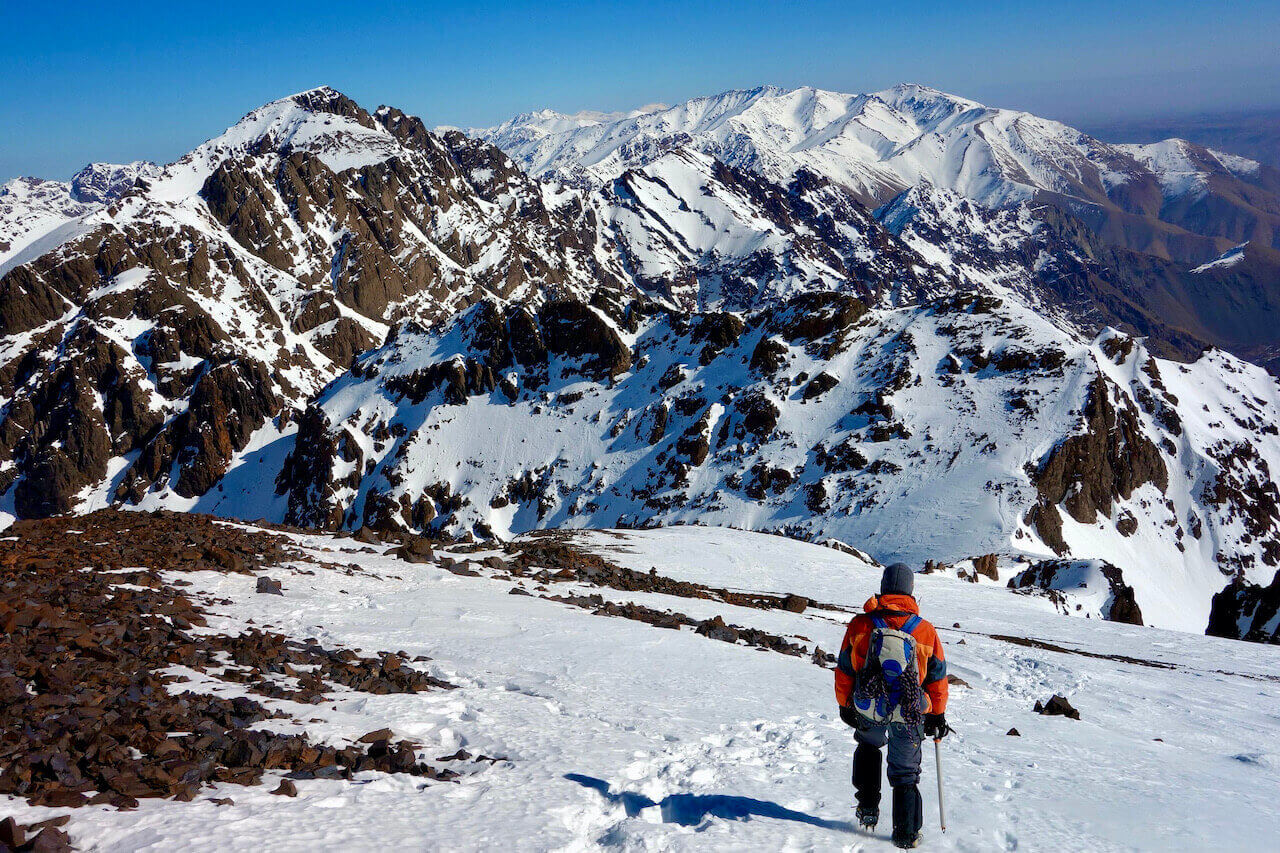
Morocco Atlas Mountains: The Ultimate Guide to Trekking
Morocco is famous for its colorful cities, ancient medinas, golden deserts, and beautiful coastlines. Yet beyond Marrakesh, another side of the country begins to appear: the Morocco Atlas Mountains, where winding roads climb toward rugged peaks, green valleys, and villages built into the mountainsides.
Leave the red walls of Marrakesh behind, and the landscape slowly changes. Roads wind upward, green valleys appear between rocky slopes, and small villages seem to grow from the mountains. Before long, the peaks begin to dominate the horizon.
This is where the adventure begins.
The Atlas Mountains, one of the natural wonders of Morocco, offer some of the country’s most memorable trekking experiences. You can hike through fertile valleys, walk between traditional Amazigh villages, explore dramatic canyons, or challenge yourself on Mount Toubkal, the highest peak in North Africa. The Moroccan National Tourist Office describes Toubkal trekking as a two- or three-day adventure starting from Imlil.
But trekking here isn’t only about reaching the summit. It’s about the journey, the changing landscapes, and the people who have called these mountains home for generations.
In this guide, we’ll explore the best places for Atlas Mountains Morocco trekking, what you can expect along the trails, the best time to visit, how to reach the mountains from Marrakesh, where to stay, and how to prepare for your adventure.
Morocco Atlas Mountains at a Glance
| Fact | Figure |
|---|---|
| High Atlas length | About 750 km |
| Highest peak | Mount Toubkal |
| Mount Toubkal elevation | 4,167 m / 13,671 ft |
| M’Goun elevation | About 4,071 m |
| Jbel Siroua elevation | 3,300 m |
| Toubkal trek | Usually 2–3 days |
| Main Toubkal gateway | Imlil |
| Talassemtane National Park | 60,000 hectares |
| Oukaïmeden elevation | More than 2,650 m |
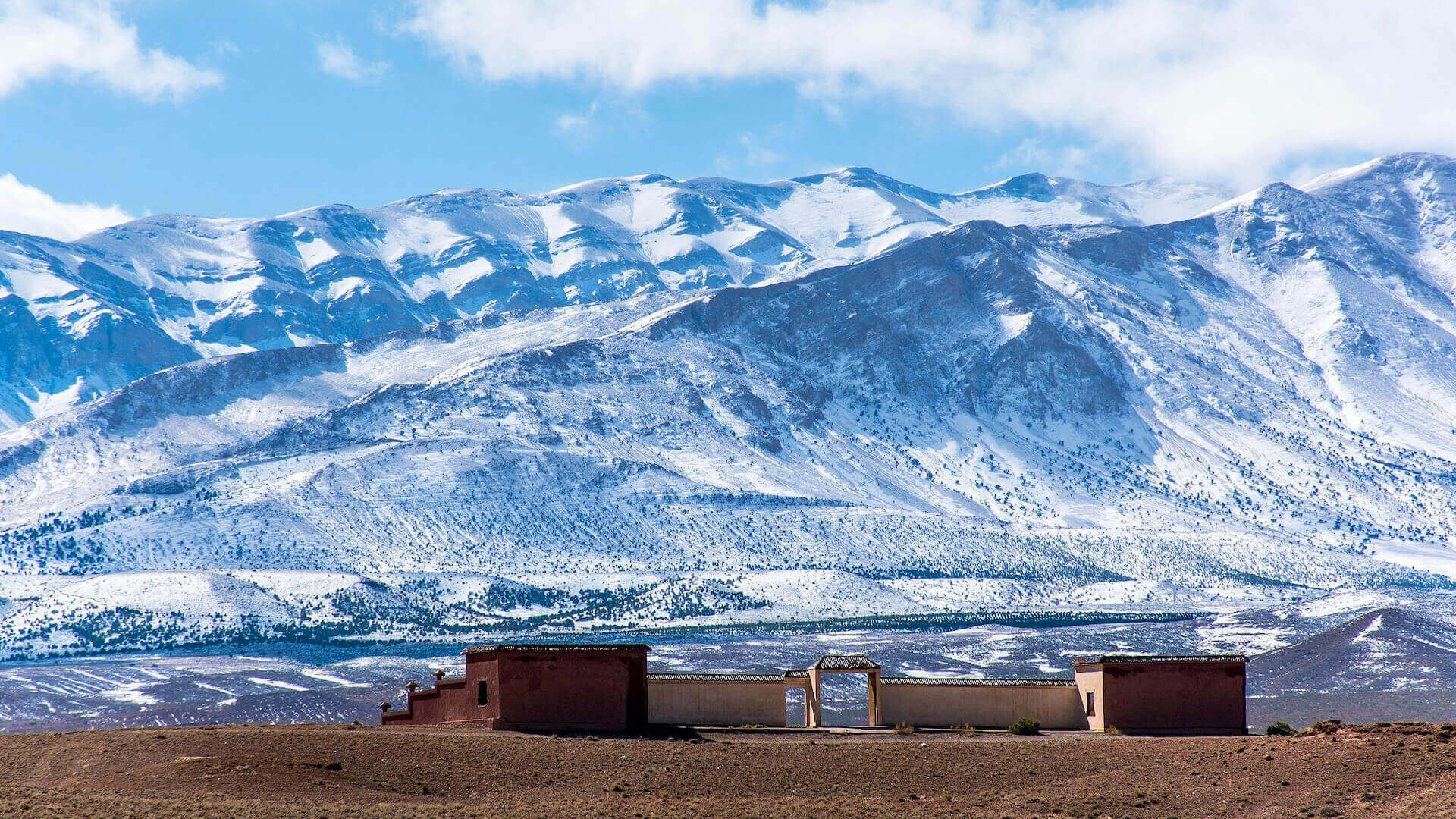
The High Atlas stretches for about 750 kilometers and contains Jbel Toubkal, which rises to 4,167 meters. The mountain is the highest peak in North Africa.
The High Atlas Mountains
This highest mountain range in North Africa is actually an adventurer’s paradise.
They form an enormous natural barrier across Morocco. Their steep slopes hide fertile valleys, forests, farmland, and traditional villages. The range stretches for around 750 kilometers and separates Atlantic, Mediterranean, and Saharan parts of Morocco.
The highest point is Jbel Toubkal, at 4,167 meters. That’s more than just an impressive number. It means that a trek here can take you from warm valleys to a genuinely high-altitude environment within the same journey.
The High Atlas also has a strong Amazigh character. Agriculture and livestock remain important parts of life for mountain communities.
Read more: Explore the 8 Most Famous Mountain Ranges in the World
The “Mountains of Mountains”
The locals here, the Amazigh people, have long been closely connected with the mountains. They call the High Atlas Idraren Draren, meaning “Mountains of Mountains.”
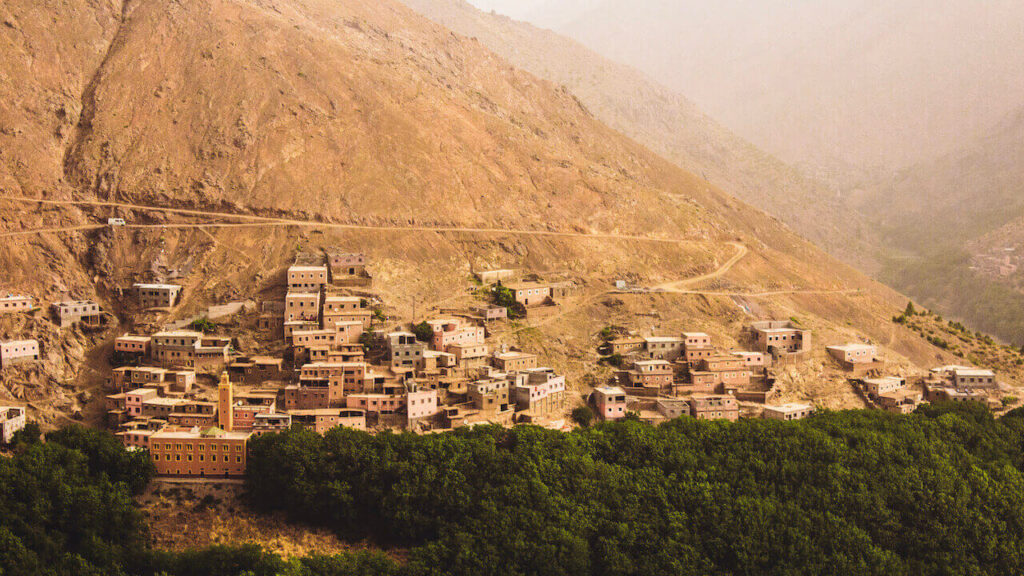
Their presence is one of the most memorable aspects of a trek. Though wild and sometimes inhospitable, the region has been home to Amazigh communities for generations. Flat-roofed villages seem to grow from the mountainsides, often overlooking terraced gardens, walnut orchards, and fruit trees.
Mount Toubkal Trek
Eventually, most conversations about trekking in the High Atlas lead to one mountain. Toubkal. At 4,167 meters, Jbel Toubkal is Morocco’s highest mountain and the highest peak in North Africa.
But the attraction isn’t only the summit. The journey usually begins around Imlil, a mountain village that serves as one of the main gateways to Toubkal. From here, the trail takes you deeper into the High Atlas. The villages gradually disappear behind you. The valleys narrow. The air changes. Rocky slopes begin to dominate the view.
Then comes the climb. The Moroccan National Tourist Office describes the Toubkal trek as a two- or three-day adventure from Imlil, depending on the itinerary and summit plan.
How Long Does the Toubkal Trek Take?
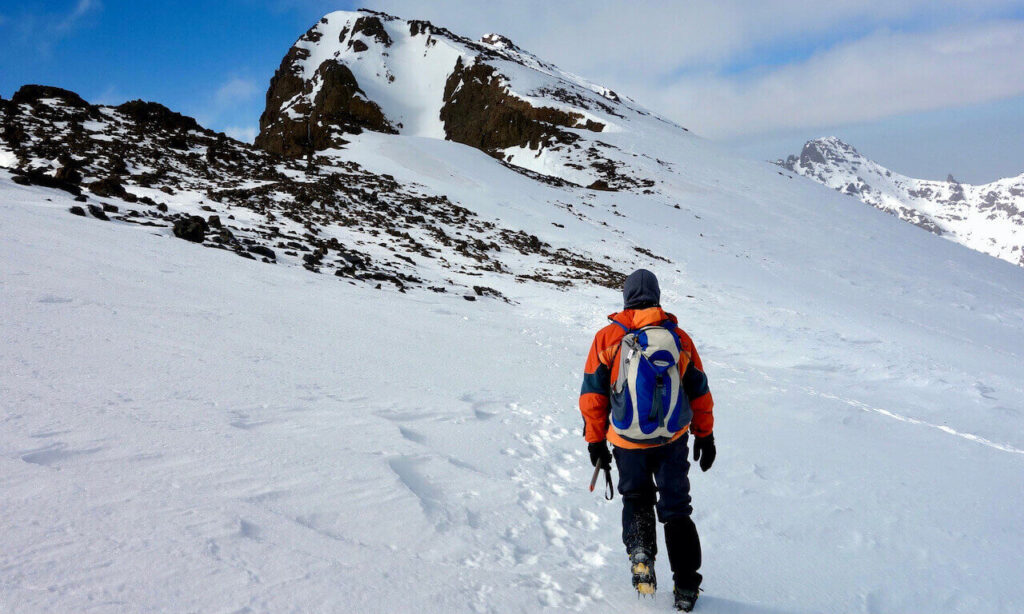
A typical Toubkal ascent takes two or three days. A two-day itinerary can be enough for a focused ascent. Adding another day gives you more time to enjoy the mountains and avoid rushing through the experience on the top trekking route in Africa.
Most itineraries include an overnight stay in a mountain refuge before the summit attempt. The right duration depends on your fitness, route, weather, and experience.
Is Mount Toubkal Difficult?
Toubkal is not a casual hike. The altitude alone makes the experience demanding. Steep terrain, long walking days, weather changes, and thin air can all test your endurance.
A standard summer ascent does not necessarily require technical climbing skills. However, you should still prepare properly and respect the mountain.
Winter is a different story. Snow and ice can make the route considerably more challenging.
Starting the Toubkal Trek From Imlil
Imlil is more than a starting point. It is where the journey begins to feel different.
After leaving Marrakech, you’ll find yourself surrounded by mountain scenery, traditional homes, terraced fields, and trails leading deeper into the High Atlas. You can stay overnight, arrange a local guide, prepare your supplies, and enjoy the atmosphere before setting off. For many travelers, that slow transition is part of the adventure.
West High Atlas
Not every trek in the High Atlas has to end at a summit. The western part of the range offers a different experience. Lower mountains, deep valleys, forests, farmland, and Amazigh villages create a landscape that rewards slow exploration.
The scenery can shift quickly. One moment, you’re walking across a rocky slope. A little later, the trail may enter a green valley surrounded by almond, olive, or walnut trees. This area is ideal if you want to experience hiking in Morocco without making a high-altitude summit the main goal.
Tichka Plateau
The Tichka Plateau offers highland scenery, mountain valleys, rocky peaks, and traditional villages.
Spring can be especially attractive when wildflowers add color to the landscape. The area also shows why the Atlas Mountains are more than a single type of environment. The scenery changes with altitude, season, and location.
Central High Atlas and M’Goun
If Toubkal is the famous face of the High Atlas, M’Goun is one of its quieter adventures.
The landscape here feels more remote. Huge red and orange rock formations rise above valleys, while rivers cut through the mountains. Some routes take trekkers through dramatic gorges. Others cross open mountain terrain before descending into green valleys.
The Moroccan National Tourist Office highlights trekking between the Valley of the Roses and the M’Goun gorges. The route combines ochre-colored mountains, green vegetation, kasbah villages, and Amazigh culture. That combination makes M’Goun particularly appealing to travelers who want more than a summit.
Aït Bouguemez Valley
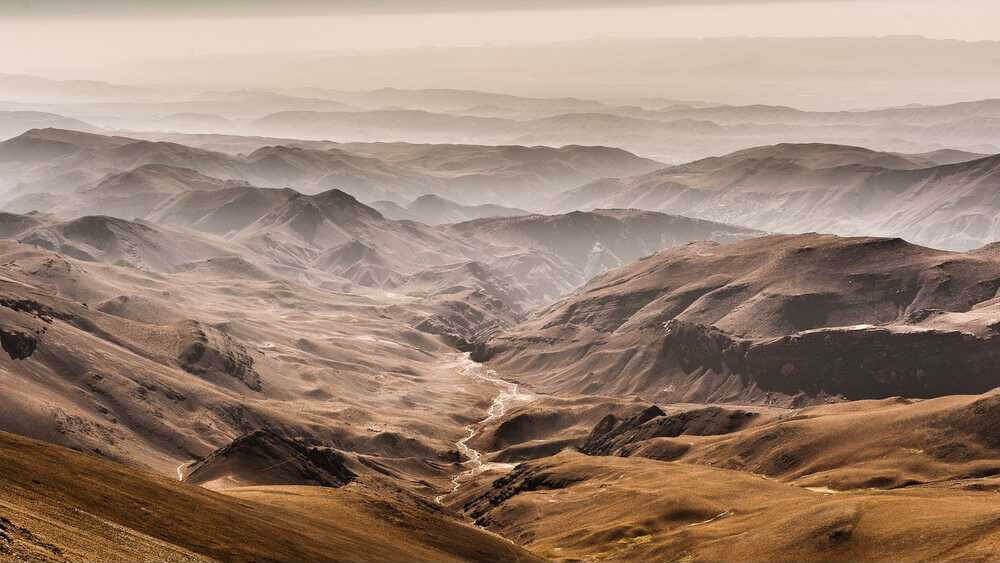
The Aït Bouguemez Valley, often called the “Valley of Happy People,” is one of the most attractive areas in the Central High Atlas. Imagine walking through a green valley while enormous mountains rise around you. Traditional villages sit among cultivated fields, and the pace of life feels far removed from Morocco’s busy cities.
The valley lies beneath the M’Goun massif, whose summit reaches more than 4,071 meters.
You can also meet local residents over traditional mint tea and Moroccan pastries, adding a cultural dimension to your hike. For travelers who want scenic hiking and mountain culture rather than a demanding summit climb, Aït Bouguemez is an excellent choice.
The Rif
Why don’t more travelers talk about trekking in the Rif Mountains?
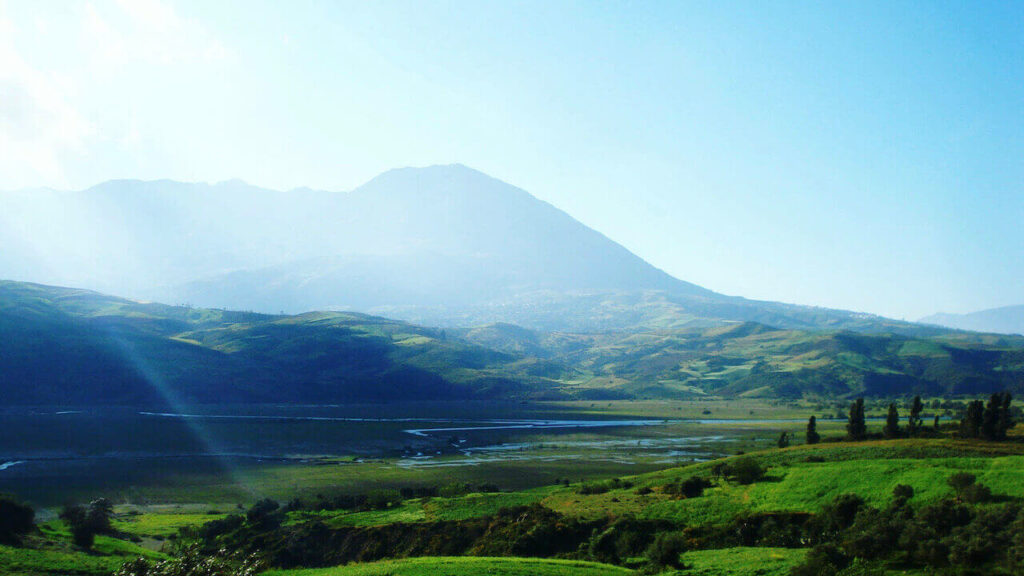
Located in northern Morocco, the Rif offers a completely different mountain experience. The landscape is greener and more forested. Valleys, cliffs, gorges, and mountain trails create plenty of opportunities for hiking. The Mediterranean influence also makes the scenery feel different from the drier High Atlas.
If you prefer forests and lush landscapes to high-altitude peaks, the Rif deserves a place on your itinerary. Also, you’re likely to encounter bands of Barbary gibbons around the edge of Talassemtane National Park.
Talassemtane National Park
Near Chefchaouen, Talassemtane National Park is one of the best places to explore the Rif on foot.
The park covers around 60,000 hectares. Its landscape includes gorges, cliffs, caves, and varied vegetation. The Moroccan National Tourist Office also highlights it as a destination for hiking, trekking, and mountain adventures.
The experience is very different from Toubkal. Instead of climbing toward a 4,000-meter summit, you may spend the day walking beneath forests, following mountain trails, or exploring dramatic gorges. It is also an appealing addition to a trip to the ‘blue city’ Chefchaouen, especially if you want to combine the famous blue city with outdoor adventure.
Read more: How to Get to Chefchaouen: The Ultimate Travel Guide
Anti-Atlas Mountains
The Anti-Atlas Mountains tell another story. The landscape becomes drier and more rugged. Rocky slopes, unusual geological formations, dry valleys, and pockets of green create a striking contrast. The Anti-Atlas is close to the Saharan landscape, which helps explain its arid character. Its highest peak is Jbel Siroua, at 3,300 meters.
For trekkers, the region offers something different from the High Atlas. You won’t necessarily come here for snow-covered peaks. Instead, you come for the rocks, valleys, silence, villages, and dramatic scenery.

Trekking Around Tafraoute
Tafraoute is one of the best-known places to explore the Anti-Atlas. The surrounding landscape combines rugged rocks with green valleys and Amazigh communities.
It is a good destination for travelers who enjoy exploring at their own pace. If Toubkal makes you feel surrounded by enormous mountains, Tafraoute can feel almost otherworldly.
The Morocco Atlas Mountains by the Numbers
Numbers don’t tell the whole story, but they can help you understand the scale of the mountains.
| Mountain or Destination | Elevation / Size |
|---|---|
| Mount Toubkal | 4,167 m |
| M’Goun | 4,071+ m |
| Jbel Siroua | 3,300 m |
| Oukaïmeden | 2,650+ m |
| High Atlas | ~750 km long |
| Talassemtane National Park | 60,000 hectares |
The High Atlas stretches for about 750 kilometers. Oukaïmeden sits above 2,650 meters and is also known for its ancient rock art.
Here’s one statistic that may surprise you: More than 2,000 rock carvings, believed to be around 5,000 years old, are scattered around Oukaïmeden and the Yagour Plateau. So even when you’re not climbing, the mountains can take you thousands of years into Morocco’s past.
Best Places for Trekking in the Morocco Atlas Mountains
There isn’t one perfect trek for everyone. Your ideal destination depends on what you want to experience.
| Destination | Best For | What Makes It Special |
|---|---|---|
| Imlil & Toubkal | Summit trekking | Morocco’s highest mountain |
| M’Goun | Multi-day adventure | Gorges, valleys, and remote scenery |
| Aït Bouguemez | Scenic hiking | Villages and Amazigh culture |
| Talassemtane | Forest hiking | Green landscapes and gorges |
| Tafraoute | Rugged scenery | Anti-Atlas landscapes |
- For a first major mountain adventure, Toubkal is the obvious choice.
- For something quieter, consider M’Goun or Aït Bouguemez.
- Prefer forests? Look toward Talassemtane.
- Want something completely different? Head south to Tafraoute.
Best Time to Trek the Morocco Atlas Mountains
There isn’t one perfect month for every Atlas Mountains trek. Altitude makes a big difference.
Spring
Spring brings greener valleys and blooming vegetation.
Lower and middle elevations can be particularly pleasant for hiking. Higher peaks may still hold snow.
Summer
Summer can work well for high-altitude trekking.
Lower elevations can become very hot, though. Start early when possible and protect yourself from strong sun.
Autumn
Autumn often brings comfortable hiking conditions.
The summer heat begins to fade, making many trails more pleasant.
Winter
Winter changes the mountains completely.
Snow and ice can make high-altitude routes much harder. Toubkal and other high peaks may require specialist equipment and more experience.
Always check current weather and trail conditions before setting out.
How to Get to the Atlas Mountains From Marrakech
For many travelers, the adventure starts in Marrakech. Leave the city behind and the landscape slowly changes. The famous red walls disappear from view, the roads become quieter, and the mountains begin to dominate the horizon.
For a Toubkal trek, Imlil is one of the main gateways. The Moroccan National Tourist Office describes Toubkal as being accessible from Imlil, with a typical ascent taking two or three days. You can arrange transportation from Marrakech through a private transfer, taxi, tour, or local transport.
The exact journey depends on your destination, so allow some flexibility. After all, the mountains aren’t going anywhere.
Where to Stay in the Atlas Mountains
Your accommodation can become part of the adventure.
- Imlil is a practical base for Toubkal. You’ll find guesthouses and mountain lodges where you can stay before or after your trek. On top of that, Kasbah du Toubkal stands out for travelers looking for a memorable mountain stay.
- Mountain refuges provide overnight accommodation on many multi-day Toubkal itineraries. Spending a night in the mountains also breaks up the climb before the summit attempt.
- Aït Bouguemez has local accommodation in the valley that lets you spend more time among the villages and surrounding landscapes.
- Tafraoute is a useful base for exploring the Anti-Atlas and nearby trails.
Its setting makes it particularly appealing before or after a trek.
What to Pack for Trekking in the Atlas Mountains
The mountains reward preparation. Your exact packing list depends on the route and season, but these essentials are useful for most Atlas Mountains Morocco trekking trips:
- Hiking boots with good grip
- Comfortable hiking clothes
- Warm layers
- Waterproof jacket
- Hat and sunglasses
- Sunscreen
- Reusable water bottle
- Snacks
- Headlamp
- Small first-aid kit
- Trekking poles
- Power bank
- Offline maps
- Personal medication
- Suitable sleeping equipment when required
High-altitude and winter treks require additional cold-weather equipment. Pick your wear carefully. Don’t pack only for the temperature you expect in Marrakech. The mountains can be dramatically colder.
Read more: Best Hiking Backpacks: How to Choose and Top 10 Picks for Adventurers
Atlas Mountains Morocco Trekking Tips
It’s always good to know more about your destination before setting off. These tips can help you prepare for your Morocco Atlas Mountains adventure.
- Choose a Trek That Matches Your Fitness. Not every mountain route is suitable for every traveler. A gentle valley walk is very different from a high-altitude summit trek. Choose a route that matches your fitness and experience.
- Prepare for Altitude. Altitude affects people differently. Take your time, stay hydrated, and pay attention to how you feel. Don’t let excitement push you faster than your body can handle.
- Check the Weather. Mountain weather can change quickly. Check conditions before leaving and remain willing to change your plans if necessary.
- Consider a Local Guide. A local guide can be especially useful on remote or demanding routes. They can help with navigation, local conditions, cultural context, and route planning.
- Carry Enough Water. Never assume that every mountain stream is safe to drink. Plan your water supply before starting and treat natural water when necessary.
- Respect Local Communities. The mountains are people’s homes, not just tourist attractions. Dress respectfully, ask before photographing people, and support local guides, guesthouses, restaurants, and businesses.
- Keep Your Itinerary Flexible. A mountain trip rarely goes exactly according to plan. Weather can change. Trails can take longer than expected. You may even discover a village or viewpoint that makes you want to slow down. Leave some room in your schedule.
Morocco Atlas Mountains FAQs
Can I Visit the Atlas Mountains in Morocco?
Yes. The Atlas Mountains are one of Morocco’s best destinations for hiking, trekking, nature, and cultural experiences. From easy valley walks to challenging mountain climbs, there are routes for different fitness levels.
Is Trekking in the Atlas Mountains Safe?
Yes, Atlas Mountains trekking can be safe with proper preparation. Check the weather, carry enough water, use suitable equipment, and consider a local guide for remote or high-altitude routes. Always respect changing mountain conditions.
Is It Worth Visiting the Atlas Mountains From Marrakech?
Absolutely. The Atlas Mountains are one of the best day trips from Marrakech. Within a few hours, you can leave the busy city behind and discover mountain valleys, Amazigh villages, waterfalls, and spectacular landscapes. Stay overnight if you have time for a deeper experience.
What Are the Best Places to Stay in the Atlas Mountains?
Imlil is the best base for Mount Toubkal and High Atlas trekking. For quieter experiences, consider Aït Bouguemez for valley hikes or Tafraoute for the Anti-Atlas. Chefchaouen is a good base for exploring the Rif Mountains.
Is the Atlas Mountain Hard to Climb?
It depends on the route. Some Atlas Mountains hiking trails are relatively easy, while high-altitude climbs such as Mount Toubkal are physically demanding. Toubkal reaches 4,167 meters, so good fitness and preparation are important.
Can a Beginner Climb Toubkal?
Yes, a reasonably fit beginner can climb Toubkal, especially with proper preparation and a local guide. The standard trek takes around two to three days, but altitude, steep terrain, and weather make it a serious mountain adventure. Take your time and prepare before attempting the summit.
Experience the Atlas Mountains With a Local Guide
The Morocco Atlas Mountains are best experienced beyond the main roads, where mountain trails lead through Amazigh villages, green valleys, and spectacular landscapes. A local guide can help you discover these places while making your hike easier to plan and navigate.
Whether you want a gentle day hike from Marrakech or a 2–3 day Mount Toubkal trek from Imlil, there are experiences for different interests and fitness levels.
Ready to explore the mountains? Book an Atlas Mountains tour or local guide and experience Morocco beyond Marrakech.
Conclusion: Is Trekking in the Morocco Atlas Mountains Worth It?
Absolutely. But the best reason to trek the Morocco Atlas Mountains isn’t simply to say you’ve climbed North Africa’s highest peak.
It’s everything that happens along the way. Leaving Marrakech behind and watching the landscape change. Walking through an Amazigh village. Seeing terraced gardens and walnut orchards tucked into a mountain valley. Following a trail through red rock and green countryside. Sharing tea after a long day on the trail.
And, if you choose Toubkal, it’s eventually standing at 4,167 meters, looking across an extraordinary landscape. The mountains offer a side of Morocco that feels slower, quieter, and more connected to the land.
Whether you choose the famous Toubkal trek, the remote M’Goun region, the greener Rif Mountains, or the rugged Anti-Atlas around Tafraoute, there’s an adventure waiting beyond the cities.
So pack your hiking shoes, prepare for the mountains, and leave a little room for the unexpected. The best part of the Morocco Atlas Mountains may not be reaching the top. It may be everything you discover on the way there.
Note: Thank You for Supporting My Blog’s Journey!
I’m so grateful you’re here! This post includes affiliate links I love. Buying through them may earn me a small commission at no cost to you. Your support keeps this blog thriving, letting me share more adventures and tips with you. A huge thank you for choosing these links—it truly means the world to me and fuels my passion for creating!
Hey, Plan Your Trip Like a Pro With These Resources!Pack Smart
Don't leave without essentials! Grab your Travel Medicines and a handy Travel Kit, must-have for any adventure. Visa Made Easy
Need a visa fast? IVISA offers quick, secured services with almost zero rejection risk. Get yours sorted now!
Find Flights & Rides
Score deals with my Find Cheap Flights Guide.
Or book buses, trains, and more on 12Go - easy travel to any spots!
Book Your Stay
I swear by Booking.com for hotels. Want a cozy vibe? Snag Free Airbnb Credits for homestays - click to save! Driving Your Way
Love road trips? Compare prices and snag steals on Discover Cars for a fun, flexible ride.
Stay Protected
Post-COVID, Travel Insurance is a game-changer. Shield yourself from health hiccups - get covered today!
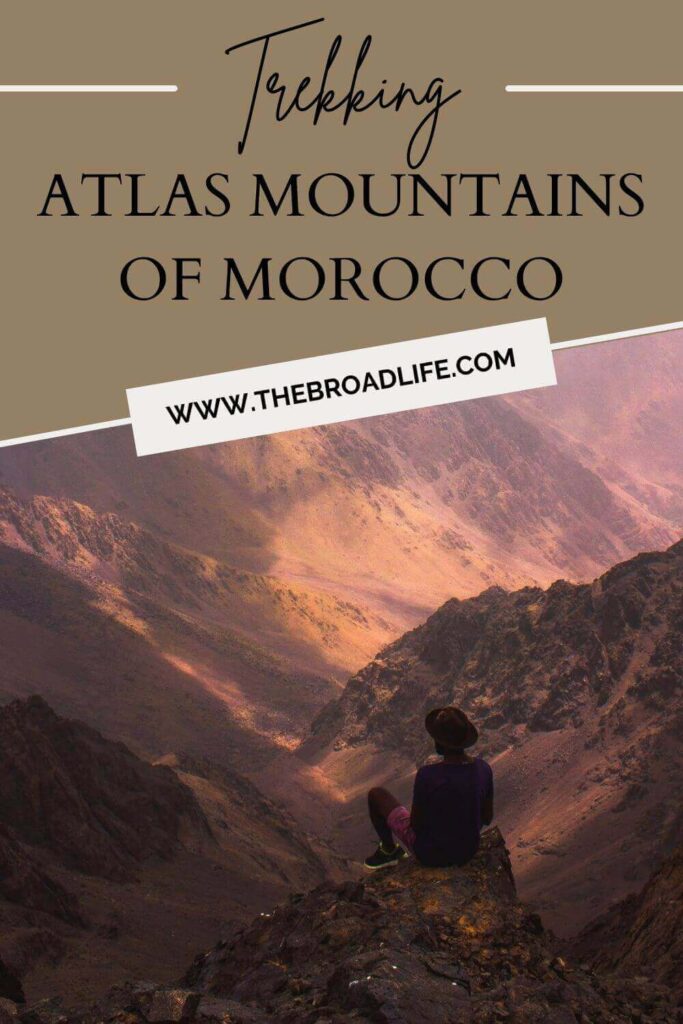
PIN THIS NOW TO SAVE YOUR SUGGESTIONS OF TREKKING PATHS IN THE ATLAS MOUNTAINS MOROCCO

Khoi Nguyen
Khoi Nguyen builds The Broad Life with a desire to inspire people go exploring the world and live a more interesting, experience, and adventurous life. This blog shares the stories, pictures, and experiences at destinations where he has traveled to.
18 Comments
-
-
Khoi Nguyen
Thanks for your comment!
-
-
tweenselmom
The mountains are breath-taking! I really wish I could go trekking someday in these places 🙂
-
Khoi Nguyen
You will need the info for your trek in the Atlas Mountains.
-
-
Ntensibe Edgar
Nnnniiiccceeee…it is so nice to meet the very famous Atlas mountains I studied about in school, here! I like the texture on them all.
-
Khoi Nguyen
Yeah, it’s truly great!
-
-
Clarice
Wow! This place is fascinating. I have never thought about trekking here but with this sight and view, it is definitely worth it. Thank you for sharing these tips. Will keep in mind to bring travel medicines and to book accommodations in advance.
-
Khoi Nguyen
You’re welcome! I hope you have a great trip to the Atlas Mountains.
-
-
Knycx Journeying
Wow and I didn’t know anything about trekking in Morocco as this activity is often overshadowed by other activities travelling there? But just looking at the beautiful sceneries of your photos make me want to go! – Knycx Journeying
-
Khoi Nguyen
You should experience trekking in the mountains of Morocco once in your life. I’m sure it will be the best.
-
-
WanderlustBeautyDreams
These mountains look amazing! I remember driving past them the last time I was in Morocco. Maybe next time I’ll be able to hike it!
-
Khoi Nguyen
You should have a trek in those mountains. I’m sure that will be your greatest experience ever.
-
-
Jennifer L Prince
I would love to visit here someday! It looks like such a lovely place to travel.
-
Khoi Nguyen
Definitely, it’s a great place that I have always wanted to come to explore more.
-
-
Anosa Malanga
Reading this makes me really wanna visit this place so much. I hope soon I can really see this with my own eyes
-
Khoi Nguyen
You will have a trip to Atlas Mountain soon. I’m sure you will have a great experience there!
-
-
Elise Ho
A good friend will be visiting here next week. She had lotta me to go with her but it was short notice and I was unable to
-
Khoi Nguyen
I hope you can make a trip to Morocco in the future. The nature is amazing!
-


Rosey
Oh wow, the views are simply stupendous. What is it about mountains that goes right through to your soul???