


Preparing medication and personal first aid items is extremely important when traveling. Health problems during a trip can prevent you from fully enjoying your experience and may lead to unexpected medical expenses. Therefore, a well-prepared travel medicines and health kit is an essential part of your luggage.
Whether you’re planning a weekend getaway, an international holiday, or a long adventure abroad, packing the right travel medicines can help you manage common health problems and minor injuries. From pain relief and motion sickness medication to insect repellent and personal prescriptions, a little preparation can make your journey more comfortable.
However, not every traveler needs the same supplies. Your travel medicine kit should depend on your destination, activities, trip duration, medical history, and access to healthcare.
A Quick Look at 14 Essential Travel Medicines and Health Items
Before exploring each item, here’s a quick checklist of what you may want to include in your travel health kit.
| No. | Travel Medicine or Health Item | Main Purpose |
|---|---|---|
| 1 | Pain and fever relief | Manage common aches, pains, and fever |
| 2 | Motion sickness medication | Help prevent nausea and dizziness |
| 3 | Massage oil or muscle relief products | Provide comfort after physical activities |
| 4 | Antiseptics and wound care supplies | Clean and protect minor wounds |
| 5 | Mosquito and insect repellent | Help prevent insect bites |
| 6 | Lubricating eye drops | Relieve dry or irritated eyes |
| 7 | Diarrhea medication and oral rehydration salts | Manage diarrhea and replace lost fluids |
| 8 | Constipation relief | Help manage occasional constipation |
| 9 | Antihistamines | Relieve common allergy symptoms |
| 10 | Topical antifungal cream | Treat certain fungal skin infections |
| 11 | Petroleum jelly (Vaseline) | Protect dry skin and reduce friction |
| 12 | Cold and flu relief | Manage common cold symptoms |
| 13 | SPF lip balm | Protect lips from sun exposure |
| 14 | Personal prescription medication | Continue regular treatment while traveling |
This list includes medicines, first aid supplies, preventive products, and personal-care essentials. You don’t necessarily need every item. Choose what suits your health needs and travel plans.
The 14 Travel Medicines for Travelers
A well-prepared travel medicine kit is essential for any trip. Here are 14 useful medications and health items every traveler should consider packing to stay healthy on the go.
1. Pain and Fever Relief


Changing weather, time zones, or fatigue during a trip can leave you feeling unwell. You may experience headaches, muscle aches, or fever while exploring a new destination.
In particular, when traveling with children, it is important to prepare age-appropriate medication for pain and fever. Therefore, consider packing suitable options such as acetaminophen (paracetamol) or ibuprofen, if appropriate for your health needs.
Always check the active ingredients, recommended dosage, age restrictions, and possible side effects before using medication. Some pain relievers may not be suitable for people with certain medical conditions. Also, avoid combining products that contain the same active ingredient.
If you’re traveling with children, ask a healthcare professional or pharmacist about the correct product and dosage for their age and weight.
You can find appropriate pain and fever relief products on Amazon.
2. Motion Sickness Medication
Traveling often means using different types of transportation, including cars, buses, trains, airplanes, and boats. Unfortunately, these journeys can cause motion sickness, resulting in nausea, dizziness, and vomiting.


To help prevent motion sickness, consider suitable medication containing dimenhydrinate or other recommended treatments. Acupressure wristbands are another non-medication option that some travelers prefer.
You can find anti-nausea medicines and bracelets available on Amazon.
Some tips when using the drug:
- Sit near the front of a car or bus when possible.
- Choose a window seat and look toward the horizon.
- Avoid reading or looking at your phone during the journey.
- Get enough rest before departure.
- Drink enough water and eat light meals.
- Avoid alcohol before and during travel.
- Follow the medication instructions and take it at the recommended time.
Some motion sickness medicines, including dimenhydrinate, can cause drowsiness. Avoid driving or operating machinery if you feel sleepy. Ask a healthcare professional before using these medicines if you’re pregnant, breastfeeding, traveling with young children, or taking other medications.
3. Massage Oil and Muscle Relief Products
Constantly moving from one destination to another and participating in outdoor activities can sometimes make your feet and muscles ache. This is especially common among travelers who enjoy trekking, hiking, climbing, or walking long distances.
Massage oils and topical muscle relief products can provide comfort after an active day. You may also consider a gentle massage or stretching to relax tired muscles.

Explore muscle massage oils and topical relief products on Amazon.
You can also prepare a simple massage oil using a suitable carrier oil and a properly diluted essential oil, if you prefer. However, essential oils can irritate the skin or cause allergic reactions. Always follow product instructions and test a small area first.
Remember that massage oil is an optional comfort item, not a medicine. Seek medical attention for severe pain, significant swelling, or an injury that does not improve.
4. Antiseptics and Wound Care Supplies
Minor cuts, scratches, and skin injuries can happen during almost any trip. For example, you might scrape your knee while hiking or cut your finger while preparing food at your accommodation.
To manage minor injuries, include basic wound care supplies in your travel first aid kit. These may include an appropriate wound-cleaning solution, antiseptic products, adhesive bandages, sterile gauze, and medical tape.


You can find antiseptic and wound care products on Amazon.
When dealing with a minor wound, clean it with clean running water or an appropriate wound-cleaning product. Cover it with a suitable sterile dressing or bandage to protect it from dirt and friction. Change the dressing when it becomes wet or dirty.
Keep an eye on the wound for increasing redness, swelling, warmth, pain, or discharge. These may indicate an infection that requires medical attention.
5. Mosquito and Insect Repellent
Mosquito and insect repellent should be among your travel health essentials, especially when visiting tropical destinations such as Vietnam, Thailand, Brazil, and Peru.
Insect bites can cause itching, swelling, and discomfort. More importantly, some mosquitoes and ticks can transmit diseases. Therefore, preventing bites is particularly important when visiting areas where mosquito-borne or tick-borne illnesses occur.
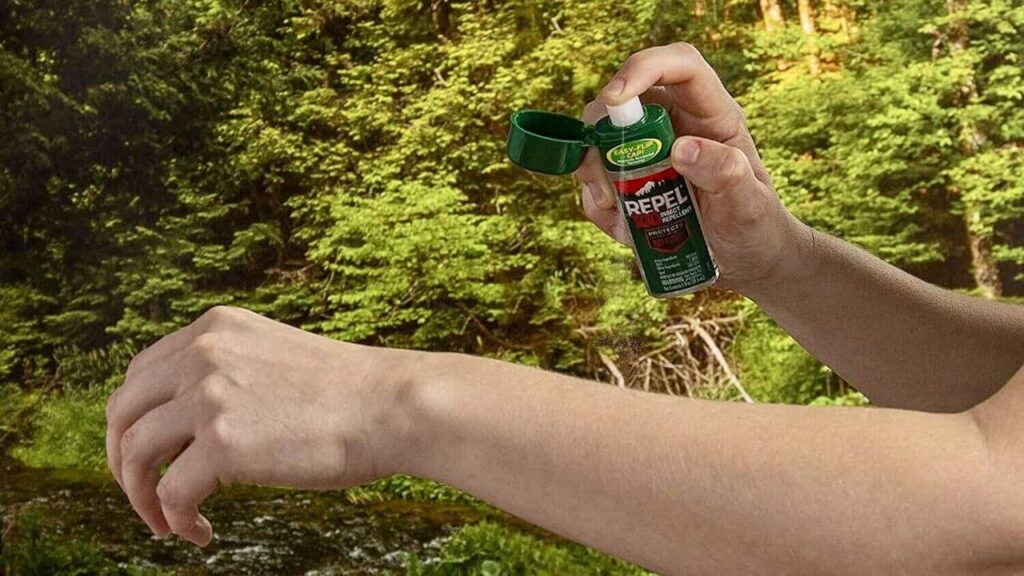
For outdoor activities such as trekking, hiking, and camping, use an appropriate insect repellent containing an effective active ingredient. Common options include:
- DEET
- Picaridin (also called icaridin)
- Oil of lemon eucalyptus (OLE) or PMD, where appropriate
You can explore insect repellents on Amazon.
Choose a product suitable for your destination, age, and planned activities. Follow its label for application and reapplication. Wearing long-sleeved clothing, using mosquito nets when needed, and choosing accommodation with screens can provide additional protection.
Remember that insect repellent helps prevent bites. It does not treat infections or diseases transmitted by insects.
6. Lubricating Eye Drops


Traveling is not just about sightseeing. It also involves experiencing outdoor activities, spending time in air-conditioned spaces, and sometimes facing dusty or windy environments. These conditions may leave your eyes feeling dry or irritated.
Lubricating eye drops, also known as artificial tears, can help relieve occasional dry-eye discomfort. Consider packing a travel-sized bottle if you regularly experience dry eyes.
You can find lubricating eye drops on Amazon.
Always follow the product instructions and avoid touching the dropper tip to your eyes or other surfaces. If a foreign object enters your eye, rinse it with clean water or sterile saline rather than relying on ordinary eye drops to remove it.
Seek medical care if you experience severe eye pain, vision changes, significant redness, or persistent irritation.
7. Diarrhea Medication and Oral Rehydration Salts
Food-related stomach problems are common concerns for travelers, especially when trying unfamiliar cuisines in destinations across Central and South America, Africa, and Asia.
Eating contaminated food or drinking unsafe water can cause travelers’ diarrhea. Common symptoms include loose stools, abdominal cramps, nausea, and sometimes vomiting or fever. Therefore, preparing suitable diarrhea treatment and rehydration supplies is important.


Two options travelers may discuss with a healthcare professional include:
- Loperamide: May help reduce the frequency of bowel movements in certain cases of non-bloody diarrhea.
- Bismuth subsalicylate: May help manage mild travelers’ diarrhea and some digestive symptoms.
You can also prepare oral rehydration products to replace fluids and electrolytes lost through diarrhea or vomiting. Oral rehydration salts (ORS) are particularly useful when dehydration is a concern.
Rehydration is one of the most important parts of managing diarrhea. Prepare ORS according to the packet instructions, using the specified amount of safe drinking water.
Loperamide is not suitable for every situation. Do not use it alone when diarrhea is accompanied by fever or bloody stools. Seek medical advice for severe symptoms, dehydration, persistent vomiting, or worsening illness.
You may also consider digestive enzyme products if they are already part of your routine and recommended for your needs. However, digestive enzymes are not a treatment for food poisoning or a substitute for rehydration.
8. Constipation Relief


In contrast to diarrhea, constipation can also become an uncomfortable problem during travel. Changes in eating habits, reduced physical activity, dehydration, and unfamiliar bathroom facilities may affect your regular bowel movements.
To help prevent travel-related constipation, drink enough water, eat fiber-rich foods, and stay physically active. Try to maintain your usual bathroom routine and avoid ignoring the urge to go.
If constipation occurs, suitable over-the-counter options may include laxatives containing bisacodyl or stool softeners containing docusate, depending on your symptoms and health needs.
Follow the product instructions and ask a pharmacist if you are unsure which option to use. Do not rely on apple vinegar, spinal massage, or unverified home remedies as treatments for constipation.
Seek medical advice if constipation is persistent or accompanied by severe abdominal pain, vomiting, or blood in the stool.
You can explore constipation relief products on Amazon.
9. Antihistamines for Allergies
When traveling, you may encounter unfamiliar plants, animals, foods, weather conditions, or environmental allergens. If you or your travel companions are prone to allergies, preparing suitable medication can be helpful. Antihistamines help relieve common allergy symptoms, including sneezing, a runny nose, itching, watery eyes, and some skin reactions.


Some commonly used options include:
- Loratadine: Generally considered a less-sedating antihistamine.
- Cetirizine: Helps relieve allergy symptoms but may cause drowsiness in some people.
- Fexofenadine: Another option that is generally less sedating.
You can explore allergy relief products on Amazon.
Choose an antihistamine that suits your health needs and check its potential side effects. Avoid assuming that every newer antihistamine is completely non-drowsy.
Antihistamines are not a substitute for emergency treatment of a severe allergic reaction. If someone experiences difficulty breathing, throat swelling, or other signs of anaphylaxis, seek emergency medical assistance immediately.
10. Topical Antifungal Cream
Hot and humid environments can create conditions that encourage certain fungal skin infections. Travelers who spend time in sweaty clothing, shared changing facilities, swimming areas, or damp footwear may be more exposed to these problems. Ringworm is one example of a common fungal skin infection. It may cause round or irregular patches of itchy, scaly skin.


A suitable topical antifungal cream may help treat certain uncomplicated fungal skin infections. You can explore antifungal creams on Amazon.
Follow the product instructions and complete the recommended treatment period, even if the skin appears to improve. Keep affected areas clean and dry, avoid scratching, and do not share towels, clothing, or personal items.
Some infections require a medical diagnosis or prescription treatment. Oral antifungal medicines such as terbinafine or griseofulvin should only be used under medical supervision. If the rash spreads, becomes painful, or does not improve, consult a healthcare professional.
11. Petroleum Jelly (Vaseline)

Vaseline, also known as petroleum jelly, is a useful personal-care item for travelers. It has several practical uses, particularly when dealing with dry skin, cracked lips, and friction.
For example, you can apply a thin layer to dry areas of your skin to help protect them and reduce moisture loss. It can also help reduce friction in areas where clothing or footwear repeatedly rubs against the skin.
There is also a popular beauty tip involving perfume. Applying a small amount of petroleum jelly to your pulse points before spraying perfume may help keep the skin moisturized, although it does not guarantee longer-lasting fragrance.
Remember that Vaseline is a personal-care product, not a medicine for treating infections or burns. Use it appropriately and avoid applying it to wounds that require medical assessment.
You can find Vaseline and petroleum jelly products on Amazon.
12. Cold and Flu Relief


A trip filled with activities in a new destination and unfamiliar climate can sometimes leave you feeling tired or unwell. You may experience symptoms such as headaches, a sore throat, nasal congestion, or a runny nose. Having suitable cold and flu relief products can help manage some of these symptoms while traveling.
You can explore cold and flu relief products on Amazon.
Choose products based on the symptoms you actually experience. Some combination cold and flu medicines contain several active ingredients, such as pain relievers, antihistamines, or decongestants.
Always check the ingredients before combining products to avoid taking duplicate medications. Rest, fluids, and appropriate symptom relief may help you feel more comfortable.
If you develop difficulty breathing, chest pain, a persistent high fever, or worsening symptoms, seek medical care rather than relying on over-the-counter products.
13. Lip Balm Containing SPF
Long days outdoors can expose your lips to ultraviolet radiation, which may cause dryness, irritation, and sun damage. Therefore, bringing a lip balm with sun protection is a useful addition to your travel packing list.
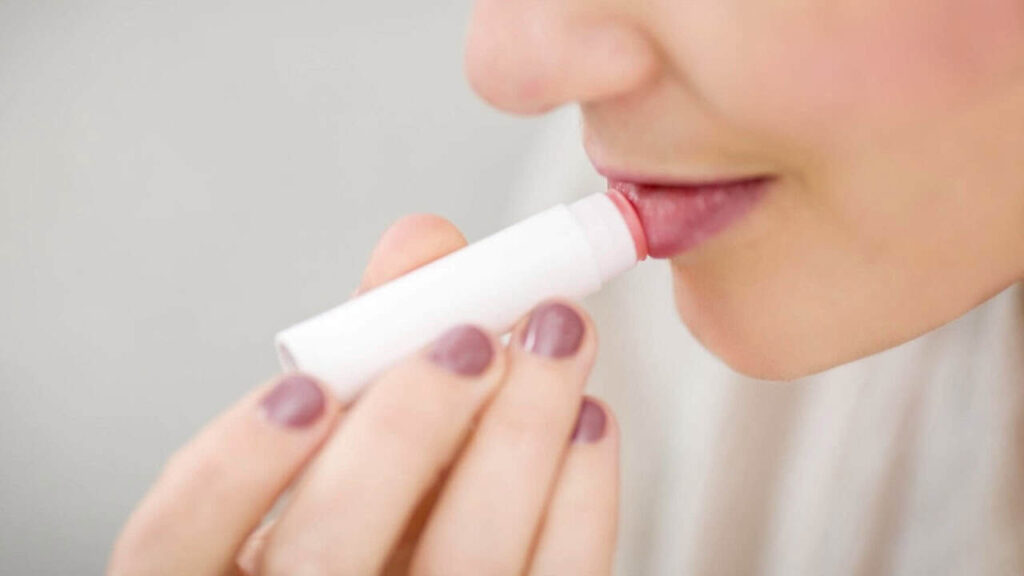
Choose a lip balm with broad-spectrum SPF protection, ideally SPF 30 or higher, and reapply it according to the product instructions, especially after eating or drinking. This is particularly useful when visiting beaches, hiking in the mountains, skiing, or spending extended periods outdoors. Remember that SPF lip balm is a sun-protection product rather than a travel medicine.
You can explore SPF lip balms on Amazon.
14. Personal Prescription Medication
If you have an existing medical condition but can safely travel with your healthcare provider’s approval, remember to bring all necessary prescription medicines.
Before departure, consult your doctor if you need regular treatment or have health concerns that could affect your trip. Make sure you have enough medication for the entire journey, plus a reasonable extra supply in case of unexpected delays.
You should also ask your healthcare provider about possible medication interactions, including interactions with other medicines or supplements you might use during your trip.
If you take medication at specific times, ask how to manage your schedule when traveling across different time zones.
In destinations where malaria occurs, consult a travel health professional about whether preventive medication is recommended for your itinerary. Malaria prevention depends on the destination, local risk, and your medical history.
International travel requires additional preparation when carrying prescription medication:
- Keep medicines in their original, clearly labeled packaging.
- Carry prescriptions or a doctor’s letter when appropriate.
- Pack essential medication in your carry-on luggage.
- Bring enough medication for the entire trip and possible delays.
- Check the medication rules of your destination and transit countries.
- Keep a list of generic medication names in case you need medical assistance abroad.
Some countries restrict medicines that are available over the counter or by prescription elsewhere. This is particularly important for controlled medicines and certain sleeping, pain, or anxiety medications.
Organizing Your Travel Medicines in the Best Way
For organizing your daily medication, you can also consider TeloTravel pill organizers. They may help you keep track of your doses during your stay. However, do not transfer medicines into a pill organizer before international travel if doing so removes their original labels. Keep the original packaging available for identification and customs checks.
Important Tips for Packing and Using Travel Medicines
Preparing your travel health kit is only the first step. You should also know how to store and use your medicines safely throughout your journey.
Here are some important tips to remember.
- Read the instructions: Carefully check the product label, dosage, warnings, and expiration date before using any medication.
- Ask a healthcare professional: Consult your doctor or pharmacist if you have questions about medication suitability, interactions, or dosage.
- Understand possible side effects: Some medicines can cause drowsiness, dizziness, or other reactions that may affect your travel activities.
- Keep medicines organized: Use suitable storage containers to keep supplies clean and accessible. However, retain the original labeled packaging for international travel.
- Protect medicines from heat and moisture: Store medication according to its specific instructions. Avoid leaving it in hot vehicles or direct sunlight.
- Check local medication rules: Some medicines may be restricted or require additional documentation in your destination or transit countries.
- Prepare for emergencies: Keep important medical information, emergency contacts, prescriptions, and travel insurance details accessible.
You can also use travel pill organizers to help organize medication during your stay.
In some countries, the medicines you usually buy may have different names or brands. If you need to purchase medication abroad, show a pharmacist the generic name and active ingredients rather than relying only on a brand name.
If you experience a serious health problem or emergency, do not try to treat yourself with the items in this article. Contact local emergency services or visit a nearby hospital or medical facility.
Finally, don’t forget to arrange travel insurance. A suitable policy may help cover eligible medical expenses and provide assistance when unexpected health problems occur abroad. Check the policy wording, exclusions, and coverage limits before purchasing.
FAQs about Travel Medicines
What Medicine Should I Take When Traveling?
Consider packing suitable pain and fever relief, motion sickness medication, antihistamines, diarrhea treatments, oral rehydration salts, and personal prescription medicines. Your travel medicine kit may also include antiseptics, bandages, and other first aid supplies. Choose items based on your destination, health needs, and planned activities.
What Are 10 Must-Have Travel Essentials?
Ten useful travel essentials include travel insurance, power adapter, first aid supplies, travel pillow, packing folder, toiletries bag, a pair of slippers, light jacket or rain poncho, clothes bags, and essential travel medicines. Adjust your packing list to your destination, weather, and trip duration.
What Should I Take Before Flying to Avoid Getting Sick?
If you’re prone to motion sickness, ask a pharmacist or healthcare professional about suitable medication before flying. Follow the product instructions, including when to take it. Staying hydrated, getting enough rest, and eating a light meal may also help you feel more comfortable. Avoid alcohol before and during your flight.
Read more: 10 Carry-on Travel Essentials for Long-haul Flights
Do Travel Sickness Pills Actually Work?
Yes. Certain travel sickness medicines, such as dimenhydrinate, can help prevent or relieve motion sickness. They generally work best when taken before symptoms begin, following the product instructions. However, they may cause drowsiness and aren’t suitable for everyone, so check with a healthcare professional if you’re unsure.
How Can I Stop Feeling Travel Sick Quickly?
Look toward the horizon, get fresh air when possible, and avoid reading or looking at your phone. Sit facing forward and keep your head still. Take small sips of water and avoid heavy meals. If appropriate, motion sickness medication may help, but follow its instructions and seek medical advice if symptoms are severe or persistent.
Final Thoughts: Prepare Your Travel Medicine Kit Before Departure
Preparing a travel medicine kit is an important part of planning a safe and enjoyable journey. From pain relief and motion sickness medication to insect repellent and personal prescriptions, the right supplies can help you manage common health concerns while exploring the world.
However, remember that every traveler has different needs. Your travel health kit should reflect your destination, activities, medical history, and trip duration. You don’t need to carry every product on this list, but you should prepare the essentials that suit your circumstances.
Take time to check your medicines, review local regulations, and speak with a healthcare professional when necessary. A little preparation before departure can help you feel more confident and focus on enjoying your adventure.
Don’t forget to pack your travel medicines and first aid essentials before your next trip!
Medical Disclaimer
The content in this article, “14 Essential Travel Medicines and First Aid Items to Pack,” is provided for general informational purposes only and is not intended as medical advice. The items discussed are suggestions, not a universal checklist or recommendation for every traveler. Medication suitability, dosage, side effects, and interactions vary by individual. Always consult a qualified healthcare professional before taking medication or changing your treatment, especially when traveling with children, during pregnancy or breastfeeding, or with existing medical conditions. Check the medication regulations of your destination and transit countries before departure. Seek professional medical care for serious symptoms or emergencies.
Note: Thank You for Supporting My Blog’s Journey!
I’m so grateful you’re here! This post includes affiliate links I love. Buying through them may earn me a small commission at no cost to you. Your support keeps this blog thriving, letting me share more adventures and tips with you. A huge thank you for choosing these links—it truly means the world to me and fuels my passion for creating!
‘PIN’ THIS POST NOW TO SAVE YOUR TRAVEL MEDICATION LIST


READ MORE RELATED TRAVEL KITS
I hope you enjoy and find this post useful for your travel. Here are some related posts to this travel medicines topic that I think you should read next: